





In the rapidly evolving landscape of the digital creator economy, the transition from hobbyist to professional creator is marked by a single, pivotal shift: the move from community building to strategic business partnership. While many creators focus exclusively on audience growth, the most sustainable careers are built upon the foundation of symbiotic relationships with brands that align with their niche and values.
As we navigate the 2026 landscape, the narrative that "size is everything" has been effectively dismantled. Today, the creator economy is undergoing a "niche revolution," where authority, engagement, and trust hold far more currency than raw follower counts. For the independent creator, this represents an unprecedented opportunity to monetize passions while maintaining creative integrity.
The Strategic Shift: Why "Small" is the New "Big"
For years, the industry was obsessed with macro-influencers—creators with millions of followers. However, marketing budgets are shifting. Brands are increasingly pivoting toward nano and micro-influencers—creators with smaller, highly focused audiences.
The Power of Niche Authority
Jacquelyn White, a senior content manager at Impact.com, notes that small influencers are consistently outpacing their larger counterparts in key performance indicators. The reason is rooted in the "depth-over-width" philosophy. A creator with 5,000 highly engaged, topic-specific followers often provides a higher return on investment (ROI) for a brand than a generalist with 500,000 followers who may have high reach but low conversion rates.
The advantages for the smaller creator are manifold:
- Hyper-Engagement: Smaller communities feel more personal, leading to higher comment-to-view ratios and deeper trust.
- Authentic Relatability: Audiences view micro-influencers as peers rather than distant celebrities, making their product recommendations feel like trusted advice.
- Discoverability: Algorithms currently favor content that keeps users on platforms, and niche, high-quality content is more likely to be served to the exact demographic brands want to reach.
Chronology of a Professional Pitch
Securing a brand deal is not a matter of luck; it is a systematic process that requires preparation, outreach, and consistent follow-through.

Phase 1: The Foundation (Pre-Pitch)
Before reaching out to a single brand, you must audit your own presence. This involves cleaning up your digital footprint, ensuring your aesthetic is consistent, and, most importantly, gathering your data. You cannot pitch if you don’t know your own metrics.
Phase 2: Building the "Kit"
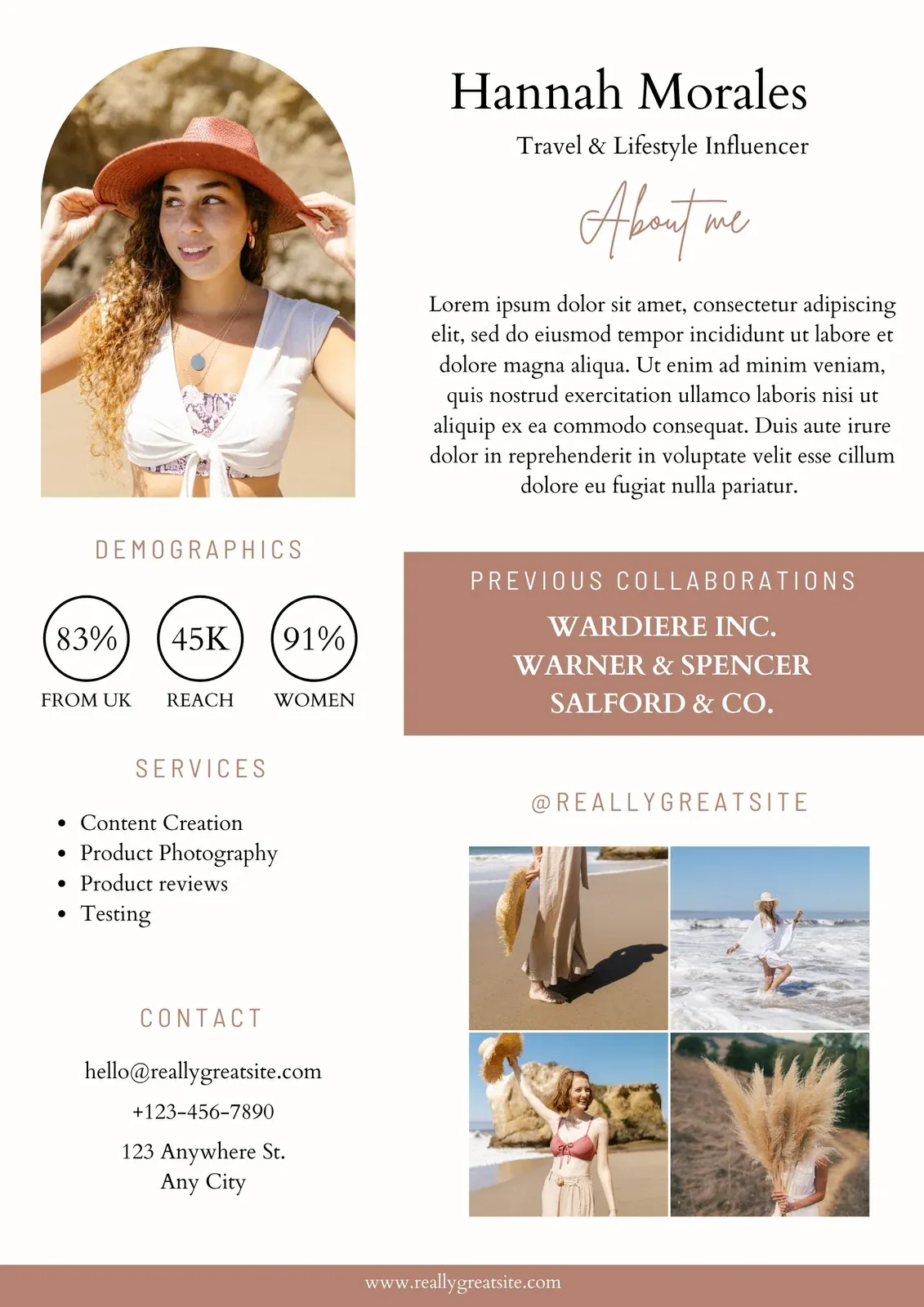
As Katie Mitchell of Skillshare emphasizes, a professional media kit is the equivalent of a business card, resume, and portfolio rolled into one. It is your primary tool for professionalizing your brand.
Phase 3: The Strategic Outreach
When reaching out to brands, move away from generic "I love your products" emails. Research the brand’s current marketing campaigns, identify their pain points, and frame your pitch as a solution to those problems.
Phase 4: Negotiation and Execution
Once a brand expresses interest, the focus shifts to the business of money. This is where many creators falter, but as the industry standardizes, more resources are becoming available to help creators navigate the legal and financial complexities of contracts and exclusivity.
Supporting Data: The Anatomy of a Winning Media Kit
A media kit is not merely a collection of nice photos; it is a document designed to prove your value. To create a professional kit that commands attention, ensure the following elements are present:
- The Professional Bio: Craft a narrative that balances your "influencer persona" with your actual expertise. If you are a tech creator, highlight your background; if you are a lifestyle creator, highlight your unique perspective.
- Contact Clarity: Ensure your contact details, including professional email and management info, are prominently displayed. Friction in the communication process can cost you a deal.
- Mission and Objectives: Clearly state why you create. Brands want to know if your long-term goals align with their brand identity.
- Content Provenance: Include links to your highest-performing work. Don’t just show what you have done; explain why it worked.
- Hard Data: Include your follower count, but prioritize engagement rates, audience demographics, and click-through rates. These metrics are the "North Star" for modern marketers.
- The "Social Proof" Portfolio: List past partnerships. Even if your first few deals were small or non-monetary, they demonstrate that you are professional, reliable, and "brand-safe."
Negotiating What You Deserve: A Professional Perspective
Kwame Christian, CEO of the American Negotiation Institute, suggests that many creators enter negotiations with a "beggar’s mindset." This is a fundamental error. When a brand approaches you, they have already decided you are the right fit. You hold the power of access to a niche, engaged audience that they cannot reach through traditional advertising.
The Rules of Engagement
- The First Offer Paradox: For beginners, it is often wise to let the brand suggest a budget first. This allows you to gauge their valuation. For established creators, set a floor price based on your time and production costs.
- Beyond the Dollar Amount: If a brand cannot meet your financial rate, negotiate for other value-adds. Can they cross-promote your content? Can they provide an affiliate structure that pays out on performance?
- Exclusivity is a Commodity: Never give away "exclusivity" for free. Exclusivity prevents you from working with competitors; therefore, it should command a premium fee. Always start with a 30-90 day window to see if the partnership is a long-term fit.
- Humanize the Relationship: Marketing teams are composed of people with deadlines and quotas. If you make their life easier—by hitting deadlines, being responsive, and delivering quality assets—you will naturally move from a "one-off" contractor to a "partner."
Implications: The Long-Term Future of Creator Monetization
The rise of the "creator as a business" model has significant implications for the future of digital marketing. As platforms like Ghost, Patreon, and others provide tools for creators to own their audience, the reliance on social media algorithms will decrease.
Moving Toward Long-Term Partnerships
The industry is moving away from the "churn and burn" style of influencer marketing, where brands hire ten influencers for one-time posts. Instead, we are seeing a rise in "Ambassador Programs" where creators serve as the face of a brand for months or years. This is the goal for any creator looking for stability.
The Standardization of Rates
As more data becomes available, the "wild west" of influencer pricing is coming to an end. Creators are now expected to justify their rates with hard data. This is a positive development, as it professionalizes the field and ensures that creators who provide real value are compensated accordingly.
The Call to Action
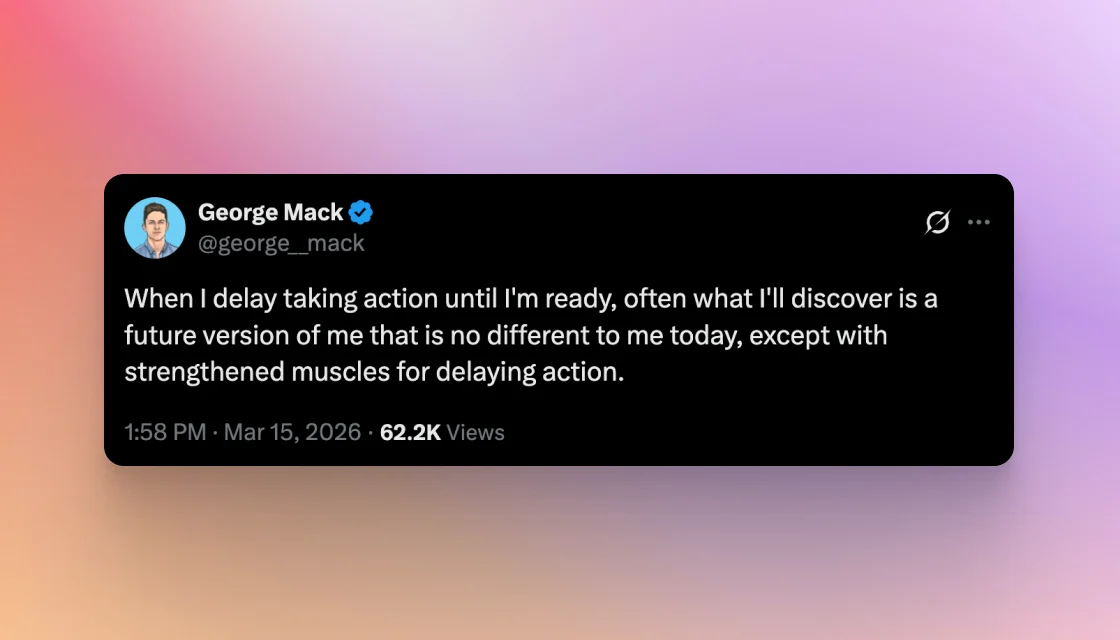
If you are a creator who has been waiting for the "perfect time" to start pitching, that time is now. The market is not saturated with quality; it is saturated with noise. By building a professional media kit, understanding your own data, and approaching negotiations with confidence, you can transition from an influencer to a business owner.
Remember: you are not just selling a post; you are selling access to a community you have built with care and consistency. Treat that partnership with the respect it deserves, and the industry will reward you accordingly.
Was this guide helpful? For more in-depth tutorials on navigating the creator economy, be sure to subscribe to our newsletter and join our growing community of professional creators. The path to a full-time career in content creation is built one partnership at a time—let’s get to work.