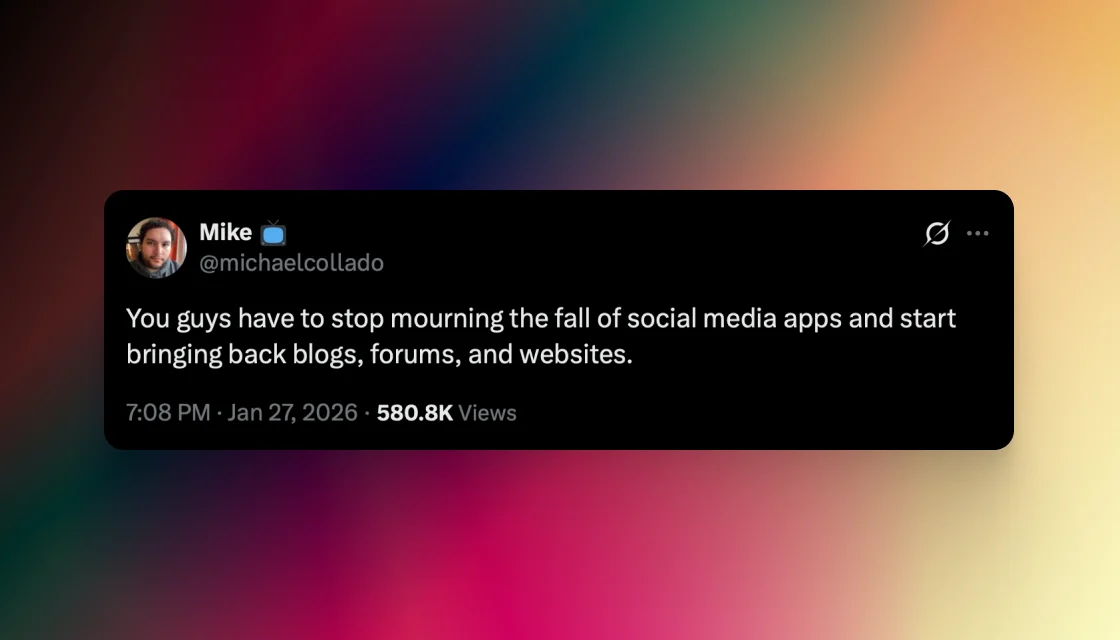




Imagine crafting a melody so infectious that it becomes the soundtrack to thousands of lives. Now, envision that same song going viral on TikTok or Instagram, with millions of people participating in the trend—yet not a single one of them can recall your name. For the modern musician, this is the ultimate paradox: achieving reach without recognition.
In an era where digital content is consumed in fleeting, fifteen-second bursts, the challenge is no longer just about creating great art; it is about ensuring that art leads to a sustainable career. While social media and streaming platforms act as the initial spark, they are often transient. To turn a casual listener into a lifelong fan, you need a permanent digital home—and that home needs to be discoverable. This is where Search Engine Optimization (SEO) enters the fray as the most overlooked tool in the industry.
The Evolution of Music Discovery
The music industry has undergone a tectonic shift. With over 100,000 new tracks uploaded to Spotify every single day, the market is profoundly saturated. However, as brand consultant Ava Rose Lynch noted, this oversaturation does not equate to an impossible barrier to entry. Instead, it demands a change in strategy.
While streaming platforms serve as excellent distribution channels, they are not discovery engines in the long term. A listener might discover you via an algorithm-driven playlist, but their journey usually continues on Google. They search for your lyrics, your tour dates, your artist bio, or your latest music video. If your online presence is fragmented or non-existent, that fleeting interest dissipates. SEO is the bridge between a "like" on a social post and a ticket sale or a loyal subscriber.
What is SEO for Musicians?
At its core, SEO is the systematic process of improving your digital presence so that search engines like Google—and increasingly, AI-powered tools—can easily identify, index, and recommend your content. For a musician, this means optimizing your online assets so that when a fan searches for "indie rock bands in [City]" or "lyrics for [Song Title]," they find you rather than a collection of unrelated search results.
SEO does not replace your presence on Spotify or YouTube; it complements it. It acts as the backbone of your digital footprint, ensuring that your various platforms are linked, verified, and coherent.
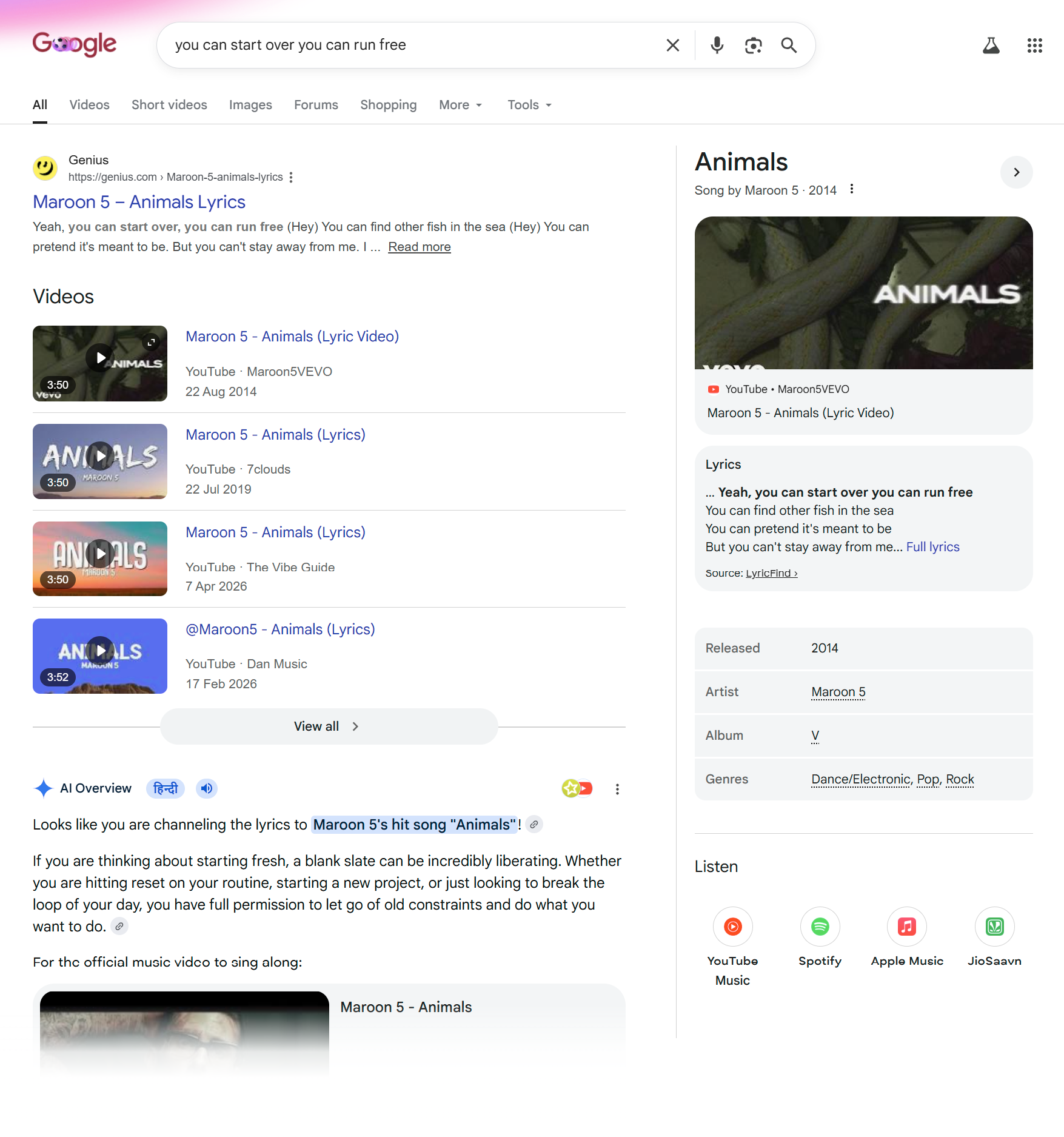
Chronology of an SEO-Driven Fan Journey
To understand the power of SEO, consider the typical lifecycle of a modern music fan:
- The Trigger: The fan hears a snippet of your song in a social media video.
- The Curiosity: They enter your name into a search engine to learn more.
- The Discovery: Because you have optimized your website, Google displays your official site, your upcoming tour dates, and your latest press coverage.
- The Engagement: The fan visits your site, reads your backstory, watches a music video, and perhaps signs up for your newsletter or buys a piece of merchandise.
- The Loyalty: Because you own the relationship via your website and email list, you are no longer at the mercy of social media algorithm changes. You have successfully converted a passive listener into a stakeholder in your career.
Supporting Data: Why Visibility Matters
The reliance on Google is not just a preference; it is a necessity driven by how we interact with technology. According to recent industry reports, the way fans search is becoming more sophisticated. They are not just typing in artist names; they are using natural language queries that AI systems are now primed to answer.
- The AI Factor: Research indicates that 65% of SEO professionals believe optimizing for Large Language Models (LLMs) is an extension of traditional SEO. When fans ask AI assistants, "Who are some artists similar to [Your Name]?" or "What is the meaning behind [Song Title]?", these systems pull information from authoritative, well-structured websites. If your site is optimized, you become the definitive source of truth about your own brand.
- The Power of Local: For bands that rely on live performance, local SEO is non-negotiable. Whether it is "wedding bands in Birmingham" or "corporate entertainment in New York," those who optimize their site for location-based keywords see a significantly higher conversion rate for booking inquiries.
The Pillars of Artist SEO: Practical Implementation
To build a sustainable music business, you must treat your website as your "headquarters."
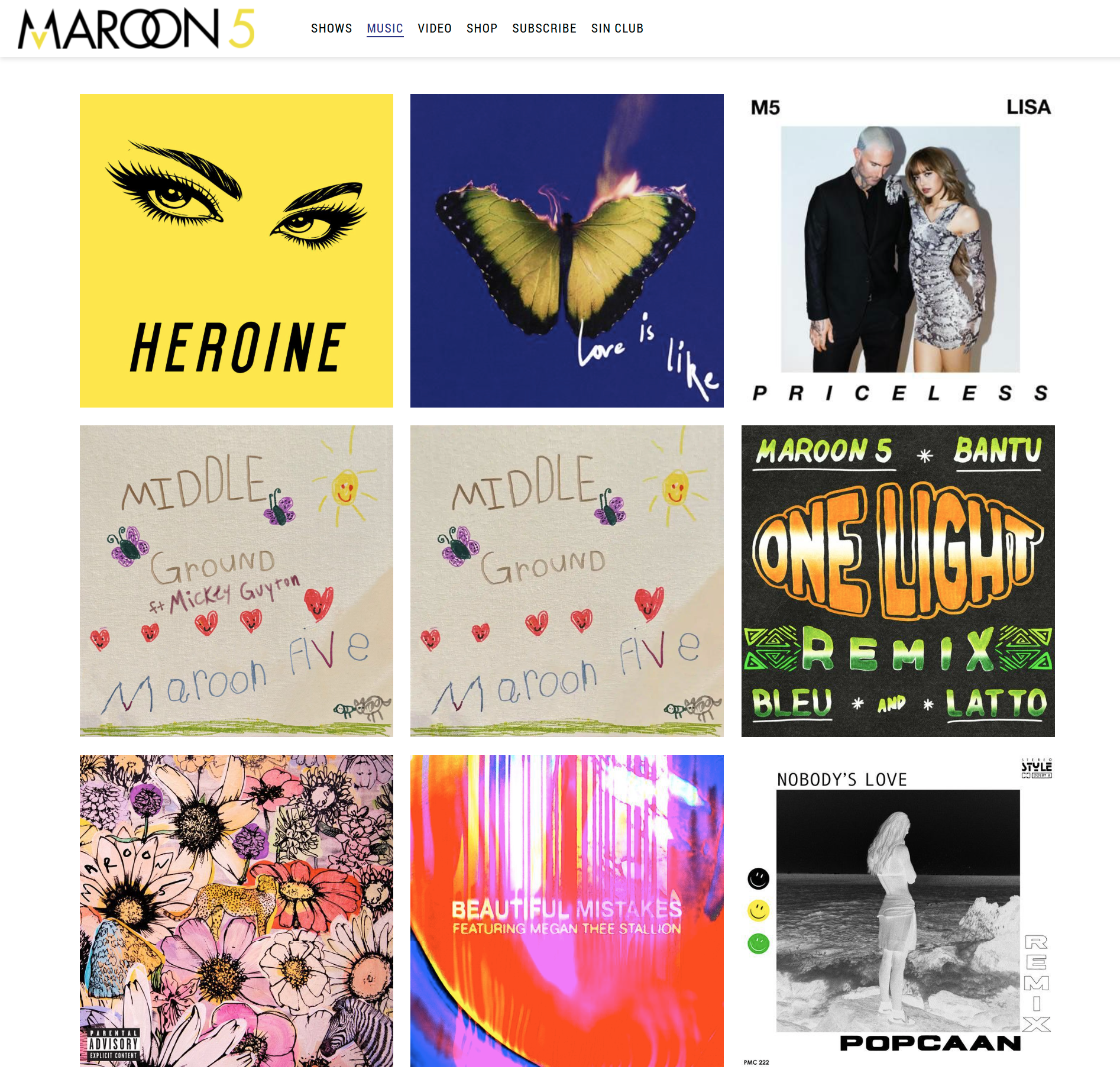
1. Build a Centralized Website
Do not rely on third-party social media pages as your primary digital footprint. Your website should house your EPK (Electronic Press Kit), tour dates, merchandise, and a blog where you share the stories behind your music.
2. Optimize for Releases
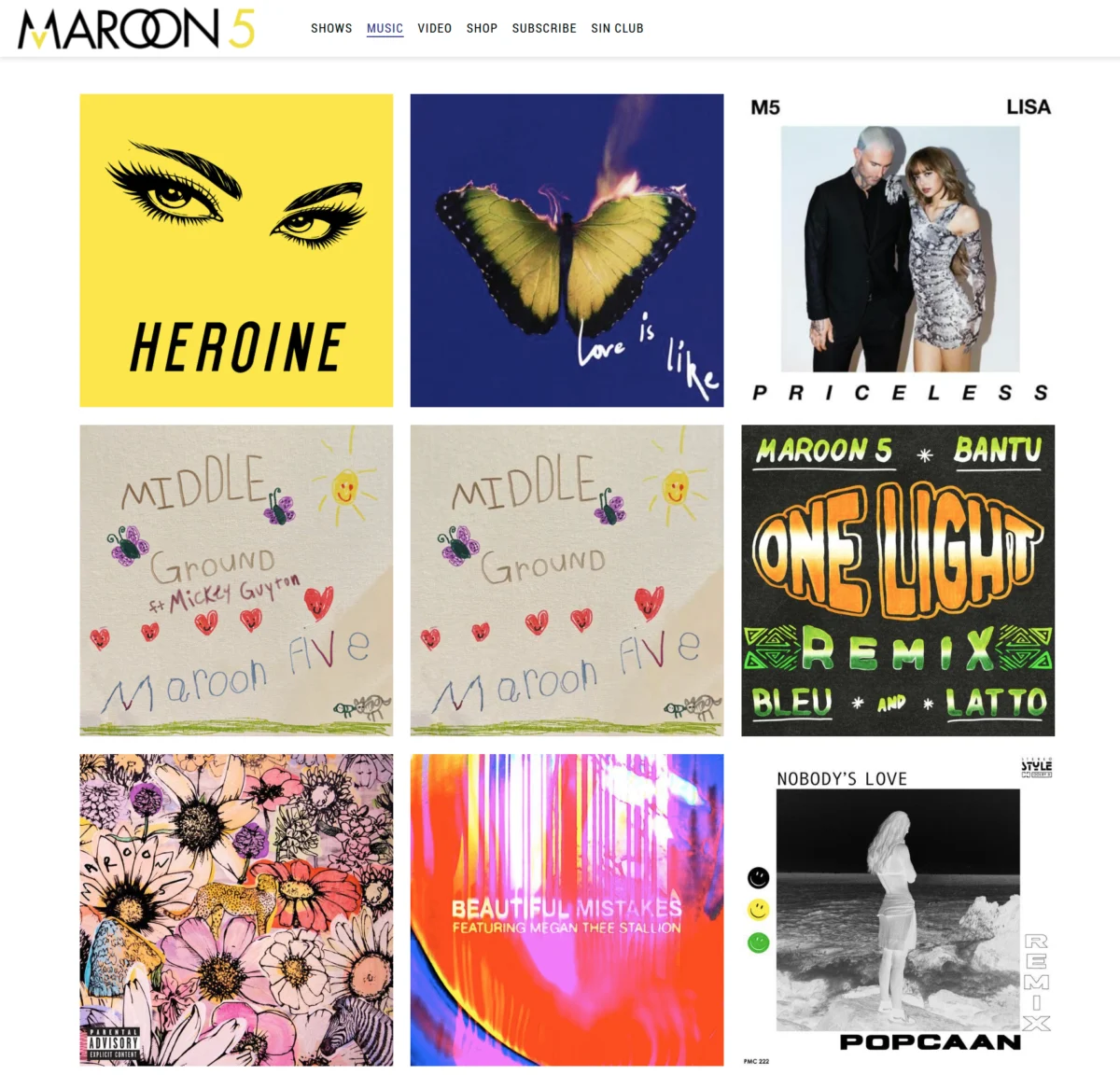
Every new single, EP, or album deserves a dedicated landing page. Include high-quality imagery, the story of the production, lyrics, and direct links to streaming services. This provides search engines with the context they need to categorize your content effectively.
3. Leverage Content Repurposing
A blog is your best friend. Write about your creative process, your gear, or your experiences on the road. This content allows you to naturally include keywords that your target audience is searching for. It also provides journalists and podcasters with material to cite, which builds your site’s authority.

4. Video and Local SEO
If you perform live, create specific pages for your services (e.g., "Wedding Performance Packages"). Use tools to add "schema markup"—a type of code that tells Google exactly what your page is about—to ensure your events show up in local search results. Similarly, ensure your videos on YouTube are titled and described with relevant search terms to capitalize on video-based discovery.
Expert Perspectives
Industry leaders are unanimous: the "DIY" era of the musician now includes "DIY Marketing." Professionals like John Bowman and Anthony Pell emphasize that the website is the only asset an artist truly owns.
"Treat your website like your creative home base," says John Bowman, host of On Air with Johnny B. "SEO isn’t just about keywords; it’s about helping the right people find the right story at the right time."

Ben Stringer, founder of SAM Music Service, notes that SEO doesn’t need to be daunting. By using dedicated tools like Yoast SEO, artists can follow structured guidance to improve their site’s visibility without needing a degree in computer science.
The Implications of Neglecting Search
The cost of ignoring SEO is the loss of control over your brand narrative. If you are not managing your search presence, you are leaving it to chance. Unoptimized websites result in missed booking opportunities, lower merchandise sales, and a weaker connection with your core audience.
Furthermore, as the internet continues to move toward AI-driven search, the sites that provide clear, high-quality, and structured information will be the ones that prosper. If your information is scattered or missing, you will be invisible to the very tools that are shaping the future of music discovery.

Conclusion: Great Music Deserves to be Found
SEO will never replace the magic of a great song or the electricity of a live performance. It cannot manufacture talent, and it cannot replace the emotional connection formed between an artist and a fan. However, it is the logistical foundation that ensures those connections have the space to grow.
By taking ownership of your digital presence, you stop chasing the shifting sands of social media trends and start building a lasting legacy. Great music deserves to be heard, but more importantly, it deserves to be found—by the fans, the promoters, and the journalists who will help turn your passion into a lifelong career. Start small, optimize your foundation, and watch as your digital presence begins to work for you, long after the last note of your latest track fades out.