


For the modern content creator, a sponsorship email is the digital equivalent of a golden ticket. It represents validation, growth, and the professionalization of a passion project. However, beneath the surface of these professional-looking inquiries lies a growing, systemic threat that can dismantle a creator’s career in a matter of seconds. A sophisticated, modular phishing campaign is currently targeting YouTubers worldwide, masquerading as high-profile brands to systematically harvest Google account credentials and take total control of digital identities.
Recent investigations into this wave of attacks—specifically those impersonating the audiovisual equipment manufacturer Hollyland—have revealed a chillingly patient and professionalized approach to cybercrime. By blending into the routine of "business as usual," these threat actors are turning the trust-based economy of influencer marketing against its participants.
The Anatomy of the Deception: Main Facts
The scam is not a brute-force attack; it is a psychological operation. Unlike traditional phishing, which relies on urgency and fear, this campaign relies on the allure of professional opportunity. The attackers create a facade of legitimacy that begins with personalized, research-backed outreach and concludes with a fake "collaboration platform."
The primary goal is the acquisition of a victim’s Google account. Because a creator’s YouTube channel is inextricably linked to their Google identity, gaining access to the account grants the attacker total control over everything from private emails and Google Drive files to the ability to delete videos, change monetization settings, or impersonate the creator to launch further scams against the channel’s audience.

The campaign is "modular" in nature. While the infrastructure—the backend code, the fake login portals, and the redirection tactics—remains consistent, the "skin" of the scam is easily swapped. One week the attacker is posing as Hollyland; the next, they are masquerading as Nike, Spotify, or other globally recognized brands.
A Chronology of a Hijack: How the Ploy Unfolds
The lifecycle of these attacks follows a predictable, highly calibrated trajectory designed to slowly lower the victim’s defenses.
Phase 1: The Personalized Outreach
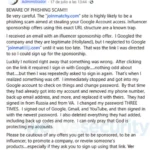
The process starts with an email that feels genuine. In a documented case involving a journalist in Peru, the attacker, posing as a representative named "Brandi," contacted the target with a specific "Paid collaboration opportunity." The email was not a generic template; it contained direct references to the content creator’s specific videos, proving that the attackers had conducted reconnaissance on the channel.
Phase 2: The Illusion of Process
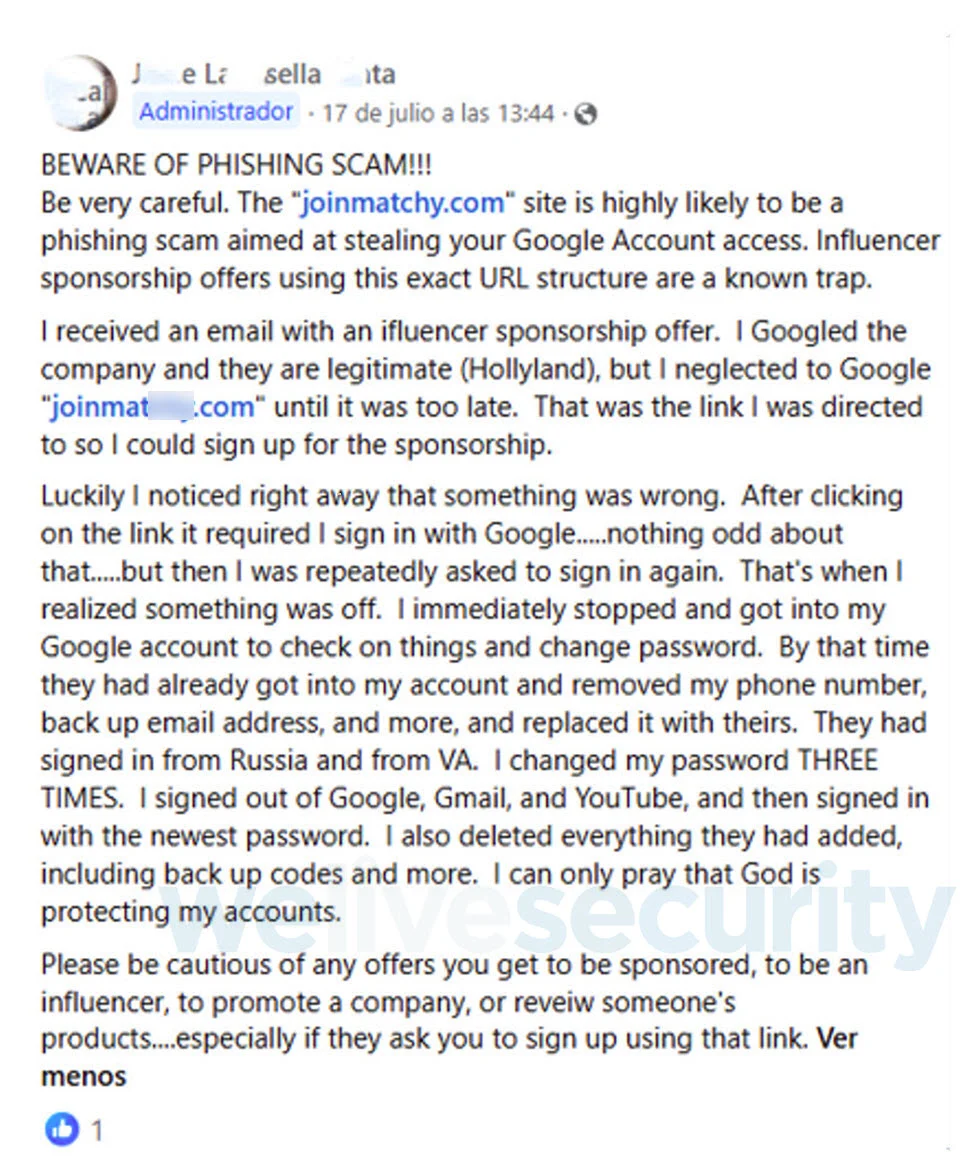
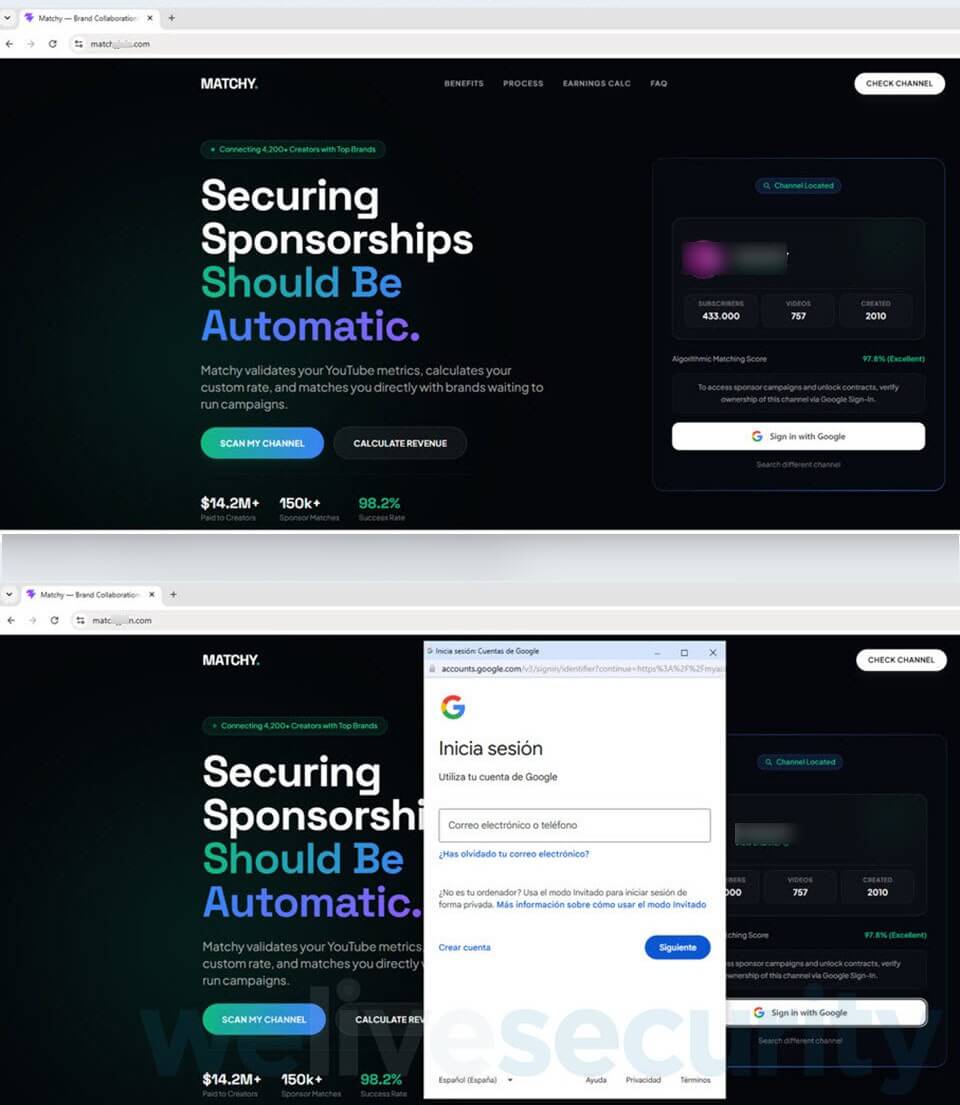
Once the creator expresses interest and discusses rates, the attacker directs them to a slick, professional-looking collaboration platform. In the case of the Hollyland impersonation, creators were sent to a domain—such as joinmatchy[.]com/hollyland—to verify their statistics and sign a contract. These sites are designed to look like legitimate influencer-marketing portals, featuring income calculators, brand logos, and automated negotiation workflows.

Phase 3: The "Verification" Hook
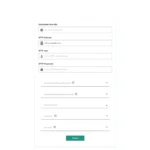
The platform asks the user to connect their YouTube channel by entering their URL. Once the site has scraped public data from the channel, it presents a summary of the creator’s performance metrics. This step is purely theatrical, intended to reinforce the feeling that the creator is interacting with a legitimate business partner.
Phase 4: The Credentials Capture
The final step is the "Sign in with Google" prompt. Because creators are accustomed to using Google’s OAuth (Open Authorization) to log into third-party tools, the request feels mundane. However, the attackers use a spoofed login page. Unlike a legitimate Google portal, this page captures the user’s password and, more critically, their two-factor authentication (2FA) tokens.
Supporting Data: The Scale of the Threat
The reach of this campaign is global. Reports have surfaced from Japan, Latin America, and across the English-speaking YouTube community. The use of multiple domains, such as those branded as "Scouty," demonstrates that this is not the work of a lone wolf, but rather a coordinated, scalable operation.
Digital security researchers have noted that these sites share identical favicons, meta-descriptions, and even fragments of source code. This modularity allows the threat actors to pivot quickly. If a specific domain is flagged or a brand issues a public warning, the scammers simply migrate their operations to a new URL and a new brand identity, ensuring the campaign remains evergreen.

The effectiveness of this campaign is further evidenced by testimonials from victims. One creator reported that within minutes of falling for the scam, the attackers had purged her recovery email, replaced her phone number, and added their own multi-factor authentication devices. This effectively locked the creator out of her own digital life, rendering traditional account recovery pathways useless.
Official Responses and Industry Awareness
The brands being impersonated are acutely aware of the damage being done to their reputations. Hollyland, for instance, has issued formal warnings via their official social media channels, advising creators that they will never use third-party domains to conduct contract negotiations or request Google logins.
Other major companies targeted by these campaigns have also ramped up their public awareness efforts. Security experts note that these brands have begun to standardize their communication protocols, emphasizing that legitimate partnerships will always be brokered through verified, official email domains (e.g., @hollyland.com rather than @gmail.com or obscure, third-party hosting services).
The Strategic Implications: Why It Matters
The fallout of a hijacked YouTube account extends far beyond the loss of a single creator’s livelihood. When a high-traffic channel is compromised, the damage becomes a public safety issue.

The Erosion of Audience Trust
Attackers often use compromised channels to broadcast live streams featuring cryptocurrency scams or malicious software links. Because the audience trusts the creator, they are far more likely to click on these links, leading to a secondary wave of victimization.
The Financial and Legal Burden
For many, a YouTube channel is a small business. A breach can lead to the loss of years of intellectual property, advertising revenue, and direct brand partnerships. Furthermore, if the attacker accesses sensitive information stored in the creator’s Google Drive—such as tax documents or personal contracts—the privacy implications are severe.
The "Gatekeeper" Risk
The reliance on a single ecosystem—Google/YouTube—creates a single point of failure. If an attacker gains control of the master account, the creator is essentially rendered a stranger to their own digital property. Reclaiming these accounts is an arduous, often months-long process that requires direct intervention from tech support, which is not always guaranteed for smaller creators.
Defensive Measures: How to Protect Your Digital Assets
If you are a content creator, your Google account is the most valuable asset you own. Securing it requires moving beyond basic password hygiene.
1. Scrutinize the Sender
Never trust an email based on the name or the content. Always inspect the sender’s domain. If the email claims to be from a major brand but originates from a free provider (Gmail, Yahoo) or a suspicious, non-branded domain, treat it as a malicious attempt.
2. Verify Through Official Channels
If you receive a promising offer, reach out to the brand via their verified social media profiles or their official website contact page. Do not use the contact information provided in the suspicious email.
3. Audit OAuth Permissions
Be hyper-aware of what permissions you grant to third-party apps. A legitimate service rarely needs "Full Access" to your Google account. If a site asks for permission to "Manage your YouTube account" or "Delete your content," it is a major red flag.
4. Implement Hardware Security Keys
The most effective defense against this specific type of phishing is the use of FIDO2-compliant hardware security keys (like a YubiKey). Unlike SMS-based 2FA, which can be intercepted, a hardware key requires a physical presence, making it impossible for remote attackers to steal your session, even if they have your password.

5. Immediate Action in Case of Breach
If you suspect your account has been compromised:
- Attempt an Immediate Password Reset: If you still have access, change your password and terminate all active sessions from the Google security dashboard.
- Remove Suspicious Apps: Navigate to your Google account permissions and revoke access for any recently added third-party applications.
- Contact YouTube Support: Use the official "Hacked" recovery process provided by YouTube’s creator support team. Do not rely on "recovery services" found on social media; these are almost always scams themselves.
- Secure Recovery Methods: Check if the attacker has changed your recovery phone number or email, and revert these to your own information immediately.
In the digital age, your reputation is your currency. By maintaining a healthy level of skepticism toward "too good to be true" offers and hardening your security protocols, you can ensure that your hard-earned platform remains a space for your creativity, not a playground for cybercriminals.