










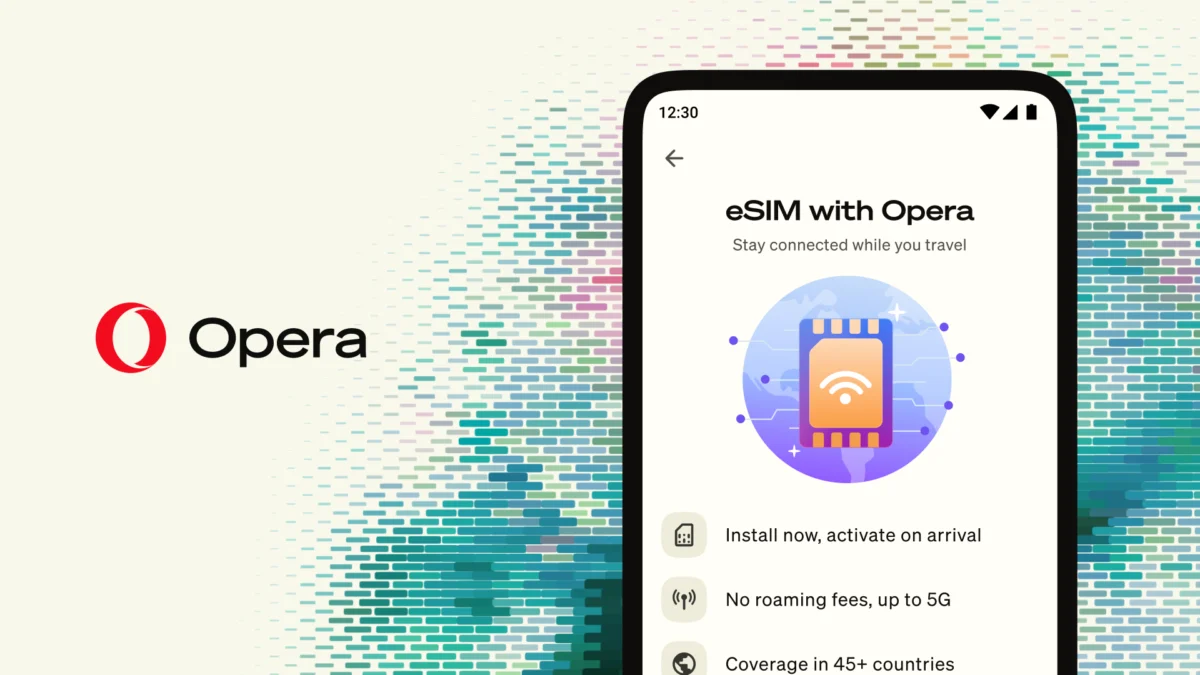
In a strategic shift that transforms the humble web browser into a comprehensive travel companion, Opera has unveiled a groundbreaking feature for its Android browser: an integrated, built-in eSIM service. This development marks a significant departure from traditional browser functionality, positioning Opera as a direct challenger to both telecom roaming providers and third-party travel connectivity apps. By offering 3GB of complimentary mobile data to international travelers, the company is effectively lowering the barrier to entry for global connectivity, streamlining the experience for users who previously relied on the often-stressful hunt for public Wi-Fi or expensive roaming packages.
Main Facts: Connectivity at Your Fingertips
The core of this innovation is the seamless integration of eSIM technology directly into the Opera Android interface. Unlike traditional travel SIM cards, which require physical swapping or the installation of standalone third-party management apps, Opera’s solution is native to the browser.
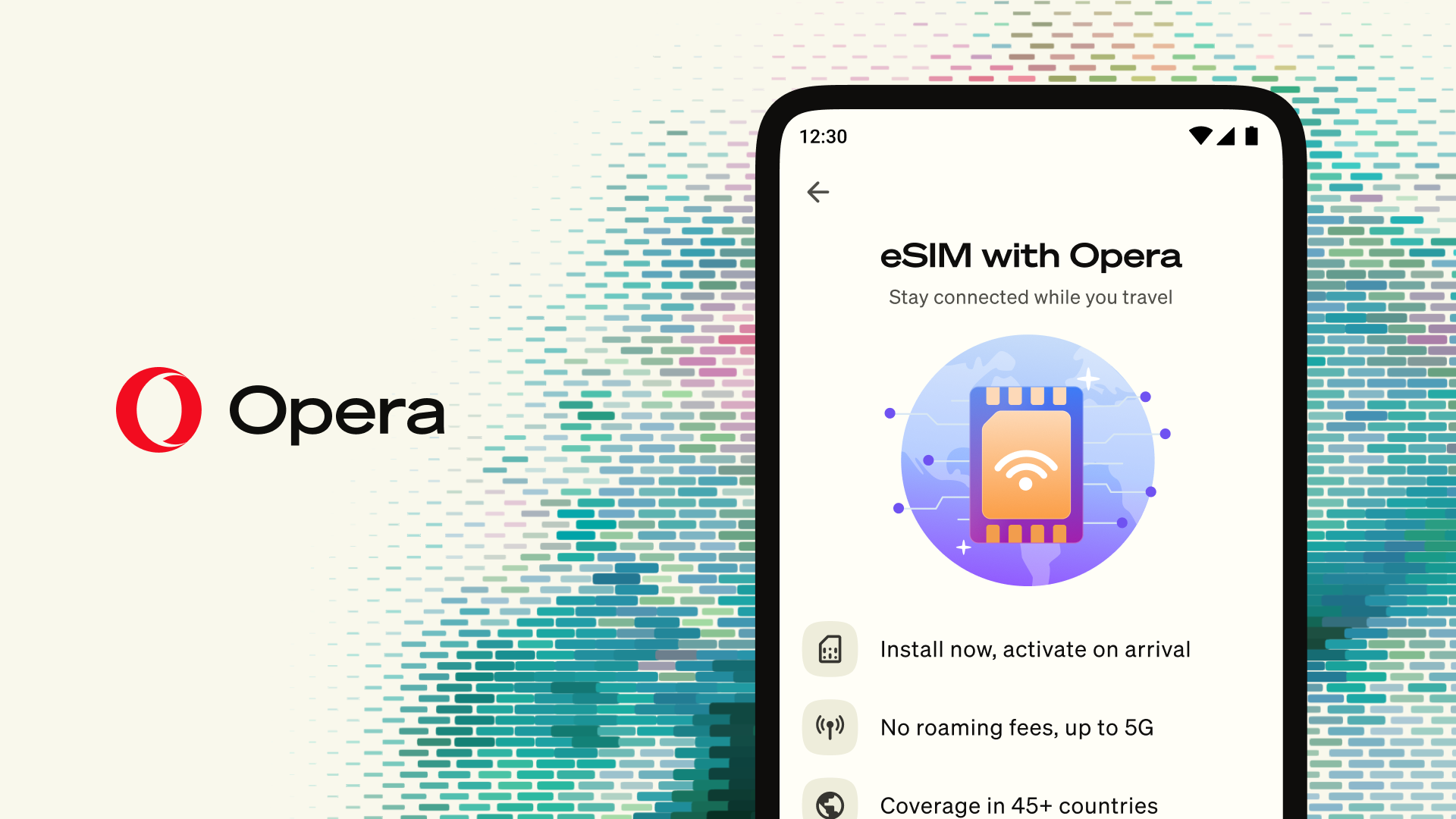
Upon arrival in any of the 47 supported destinations, users can activate their data allowance without the need for credit card input, account registration, or tedious email verification. This "zero-friction" approach is designed to alleviate the anxiety associated with arriving in a foreign country without reliable internet access. Crucially, the service provides device-wide connectivity—not just browser traffic—ensuring that essential travel utilities such as Google Maps, ride-sharing apps, and messaging platforms function immediately upon landing.
The service is currently compatible with Android 10 or later, provided the hardware itself supports eSIM functionality and is not carrier-locked. By bridging the gap between browser utility and cellular connectivity, Opera is ensuring that its users remain online regardless of their local network status.
A Chronological Evolution: From Browsing to Infrastructure
Opera’s journey toward this milestone has been characterized by a long-term commitment to data efficiency and accessibility. For decades, the company has focused on "getting people online" in regions where high-speed, affordable data is scarce.
- The Early Years (Data Compression): In its infancy, Opera gained global recognition for its Turbo and Mini modes, which compressed website traffic to ensure that users on 2G or unstable connections could still access the web.
- The VPN Pivot: Several years ago, Opera expanded its value proposition by integrating a free, unlimited VPN into its browser, signaling a move toward privacy and secure connectivity as standard features.
- The Connectivity Shift (August 2026): In August 2026, the company gathered extensive pricing data across the mobile market, identifying that roaming charges remained a significant "pain point" for the modern consumer. This research underscored the necessity for a more affordable, user-centric approach to global data.
- The Launch: Following this research, the current eSIM integration was rolled out. The rollout targeted 47 initial destinations—including high-traffic hubs like the US, UK, France, Germany, and Brazil—providing a foundation for global expansion.
Supporting Data: The Case for Competitive Pricing
Opera’s entry into the eSIM market is not merely a convenience play; it is a calculated disruption of the telecom status quo. According to internal data from August 2026, Opera’s eSIM packages are, on average, 33% cheaper than those offered by six major industry competitors.
This comparison was benchmarked against a 5GB data package within the United States. While the company notes that exact pricing fluctuates based on regional market conditions and individual package selections, the baseline pricing strategy suggests a commitment to undercutting established roaming giants.
Beyond the initial free 3GB, three-day trial, the monetization model is straightforward:
- 3GB, 5GB, and 10GB tiers: These plans offer a 30-day window, catering to both short-term tourists and long-term digital nomads.
- Network Versatility: Where local infrastructure permits, the service connects to 5G networks, ensuring that speed is not sacrificed for affordability.
- Persistent Identity: The service is designed to coexist with a user’s primary domestic cellular number, meaning that travelers do not need to deactivate their primary SIM to receive calls or SMS messages on their original number while using the Opera eSIM for data.
Official Perspectives: Addressing the "Roaming Tax"
The philosophy behind this move is best articulated by Tim Lesnik, Product Manager at Opera. Speaking on the launch, Lesnik highlighted the absurdity of the current roaming market. "Opera has spent decades getting people online where data is expensive or hard to come by," Lesnik noted. "Roaming is the same problem in a different shape: you pay a disproportionate amount for the same internet you have at home."
For Lesnik and his team, the browser has become a "useless" shell if it lacks the underlying infrastructure to connect to the web. By bundling VPN services, data-saving compression, and now, native eSIM management, Opera is positioning itself as a "Connectivity Suite."
The company views the browser as the primary window through which a user interacts with the internet; therefore, the browser should be responsible for ensuring that the window remains open. By removing the need for a user to hunt for a Wi-Fi hotspot in an unfamiliar airport terminal, Opera is essentially acting as a digital concierge, removing the most stressful friction point of modern international travel.
Implications for the Browser Market and Beyond
The introduction of an eSIM by a browser developer has profound implications for the tech industry at large.
1. The Death of the "Browser-Only" Business Model
Browsers have historically competed on speed, privacy, and extension support. Opera’s move suggests that the future of browsers may lie in "service bundling." If a browser can offer banking, shopping, and now, cellular connectivity, it becomes an essential "operating system" for the web. Competitors like Google Chrome, Mozilla Firefox, or Brave may soon feel pressure to explore similar integrations to remain relevant to a mobile-first audience.
2. Disruption of Roaming Revenue
Telecom carriers have long relied on lucrative international roaming add-ons to bolster their margins. If a substantial percentage of the traveling public shifts to third-party eSIM providers integrated directly into their browsers, carriers will be forced to lower their prices or improve their value proposition. This is a clear "win" for the consumer, as it forces competition into a sector that has historically been dominated by high-cost, low-transparency pricing.
3. The "Digital Nomad" Infrastructure
As remote work continues to evolve, the distinction between a "traveler" and a "citizen" is blurring. Opera’s service is perfectly timed to capitalize on the digital nomad trend. By allowing users to keep one eSIM installed and simply "top up" with country-specific data as they cross borders, Opera is reducing the administrative burden of international living.
4. Security and Privacy
By integrating the eSIM with its existing VPN and data-saving tools, Opera is creating a "secure tunnel" for the user. Travelers are often forced to use unsecured public Wi-Fi networks in hotels or cafes, which are prime targets for cyber-attacks. With an Opera-managed eSIM, users can stay on a private, managed connection, significantly reducing the surface area for potential security breaches while abroad.
Conclusion: A New Horizon for Mobile Browsing
Opera’s bold move to integrate eSIM technology into its Android browser is more than a simple feature update—it is a redefinition of the browser’s role in our digital lives. By tackling the persistent, high-cost, and high-friction issue of international roaming, Opera has successfully expanded its utility from a tool for viewing content to a tool for accessing the very network that hosts it.
As the company continues to refine its eSIM offering and potentially expands its reach to other operating systems or regions, the pressure on competitors to innovate will only intensify. For the average traveler, the days of hunting for QR codes at airport kiosks or paying exorbitant daily roaming fees may soon be a relic of the past. In this new landscape, the browser is not just where you go once you are online—it is the very gateway that gets you there.



