





In a global economy currently reeling from a cost-of-living crisis—one that has seen global smartphone and PC shipments crater by approximately 20% throughout 2026—Apple has managed to achieve what many analysts deemed impossible. The launch of the iPhone Duo, a folding smartphone retailing at a staggering $2,000, has not only been a success; it has been a cultural phenomenon that defies the conventional logic of consumer electronics pricing.
Despite initial skepticism from critics and a cautious macroeconomic climate, Apple’s latest foray into the foldable market has seen millions of units move into the hands of consumers. This article explores how Apple navigated the "early adopter" trap, managed the fallout of critical reviews, and leveraged its massive brand ecosystem to turn a high-priced luxury item into a must-have commodity.
The Anatomy of the Launch: A Chronology of Success
The road to the iPhone Duo was paved with years of speculation and months of carefully orchestrated anticipation. Since rumors of a foldable Apple device first emerged in 2011, the tech world has waited with bated breath.
The Reviewer Backlash
When the first units were sent to media outlets in early October, the narrative was initially dominated by criticism. Reviewers noted a perceived lack of optimized third-party applications. This criticism, however, was fundamentally flawed in its timing. Developers do not synchronize their product roadmaps with press embargoes; they align them with commercial availability. By the time the device hit shelves on October 23, 2026, the software landscape had transformed overnight.
The October 23 Pivot
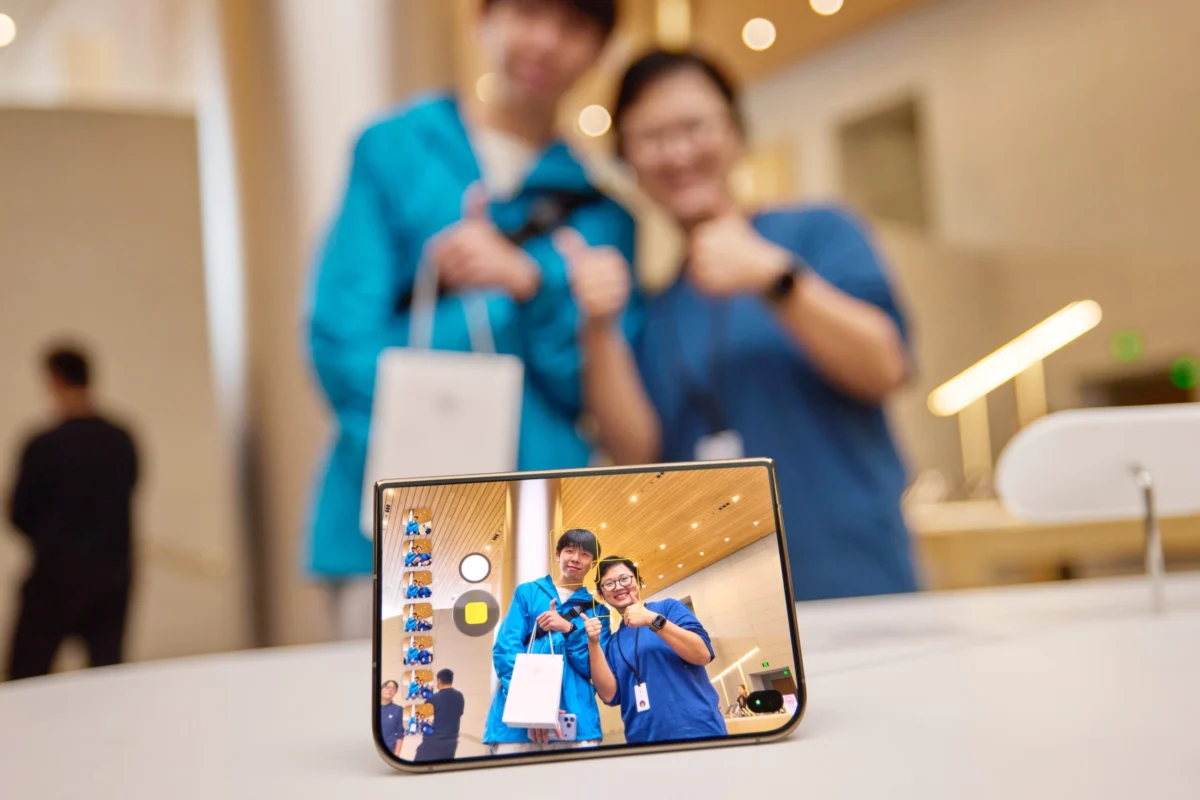
The true test of the iPhone Duo began on its release day. As units arrived in the hands of the public, the "empty app store" narrative evaporated. Apple released a comprehensive update detailing over 50 major apps—ranging from streaming giants like Netflix and Paramount+ to enterprise essentials like Microsoft Office, Zoom, and Slack—all optimized for the Duo’s unique folding form factor. By aligning the software ecosystem with the retail launch, Apple effectively neutralized the primary weapon used by its early critics.
Supporting Data: Why the Economics Work
To understand why a $2,000 smartphone sells millions of units in a recessionary period, one must look past the "sticker shock" and into the mechanics of the modern smartphone market.
The Resilience of the Premium Tier
The economic downturn has been uneven in its impact. The demographics most likely to purchase a $2,000 smartphone are, by and large, insulated from the inflationary pressures affecting the broader population. These consumers prioritize brand loyalty and ecosystem integration over price sensitivity.
Financial Engineering and Carrier Support
Apple’s success is also a triumph of financial structuring. The introduction of the "Apple Upgrade" program earlier this year—a subscription-like model that allows users to swap devices without the traditional burden of a total upfront cost—has democratized luxury. Furthermore, carriers, desperate to stem the tide of falling smartphone sales, have incentivized the Duo through aggressive trade-in schemes and hardware subsidies. These programs mask the $2,000 price point, making the device appear far more accessible to the average consumer.
Manufacturing and Scarcity
Apple’s supply chain management played a pivotal role. By creating a perception of extreme scarcity—a strategy perfected over decades—Apple turned the iPhone Duo into a Veblen good. Even as crowds lined up outside retail stores in a display reminiscent of the early iPhone launches, Apple quietly adjusted its manufacturing orders upward, responding to demand that far outstripped the initial, conservative supply forecasts.
Official Responses: Navigating the Critics
Apple’s communication strategy remains a masterclass in controlled transparency. Susan Prescott, Apple’s vice president of Worldwide Developer Relations, addressed the app ecosystem concerns directly, stating, “The response to iPhone Duo from our developer community has been incredible, and we’re inspired by how quickly they’ve embraced its larger display and new ways to interact.”
This statement serves as a polite but firm rebuttal to the early wave of negative reviews. By shifting the conversation from "the phone is incomplete" to "the developer community is excited," Apple reframed the narrative. They acknowledged the constraints—such as the absence of Face ID and a secondary-tier camera system—not as failures, but as necessary design compromises required to bring a first-generation foldable device to market within a specific timeframe.
The Implications: A Blueprint for the Future
The iPhone Duo is not just a phone; it is a "Version 1.0" experiment that sets the stage for a new era of mobile hardware. In the tech industry, innovation is a continuum.
The "Version 2" Promise
The current criticisms regarding the camera quality and the lack of biometric security (Face ID) are widely viewed as temporary hurdles. Industry insiders, including Bloomberg’s Mark Gurman, have already reported that Apple is deep in the development of an under-display Face ID sensor for the iPhone Duo 2.
For the consumer, this creates a clear incentive structure:
- Early Adopters: Purchase the Duo now to enjoy the folding form factor and lead the trend.
- Mainstream Users: Wait approximately 11 months for the Duo 2, which will likely address the hardware compromises found in the current model.
By laying out this roadmap, Apple keeps its customers within the "walled garden." Even those who choose not to buy the current version are already mentally budgeting for the next one, ensuring long-term revenue stability.
The Shift in Market Dynamics
The success of the Duo suggests that in a mature market, features like "folding" are the only way to drive hardware upgrades. As standard smartphones reached a plateau of iterative improvement, the Duo offered something truly new. This, combined with the power of the Apple brand, has proven more effective than price-cutting. While competitors struggled to move budget handsets, Apple successfully moved premium units by betting on the desire for innovation, rather than the necessity of cost savings.
Conclusion: The New Normal of Premium Tech
The iPhone Duo’s launch serves as a case study in how a dominant player can dictate market trends, even when the broader economic indicators suggest caution. By leveraging a deep-seated customer base, utilizing sophisticated financial instruments, and maintaining a relentless focus on ecosystem development, Apple has essentially decoupled itself from the broader "smartphone slump."
The $2,000 price tag, once considered a barrier to entry, has instead become a symbol of status and technical ambition. As we look toward the inevitable launch of the iPhone Duo 2, it is clear that the foldable era is no longer a niche curiosity—it is the new front line of the smartphone wars. Apple hasn’t just entered the foldable market; they have, in typical fashion, redefined it to suit their own terms.
For the tech enthusiast, the message is clear: we are witnessing the birth of a new category. The imperfections of the current device are merely the growing pains of a product that will define the next decade of mobile computing. The market was primed, the apps arrived on cue, and, most importantly, the customers were ready to follow Apple into the next iteration of the smartphone.
For more in-depth analysis on the intersection of hardware, software, and consumer behavior, subscribe to our daily, human-curated headline feed at The Core, or follow our industry updates on BlueSky, LinkedIn, and Mastodon.