As the technology sector settles into the rapid, foundational shifts of 2026, a quiet counter-revolution is taking place across the digital landscape. Artificial intelligence, having moved past the stage of speculative novelty, is now a baseline expectation woven into every everyday digital touchpoint. Yet, this ubiquitous computing power has triggered a fascinating psychological and artistic pendulum swing.
As software becomes hyper-efficient at generating flawless, uniform, and frictionless visual assets, digital design is aggressively pivoting in the opposite direction. The defining aesthetic of 2026 is not robotic perfection, but raw emotion, tactile textures, visible human flaws, and unyielding character.
Rather than succumbing to a sea of algorithmic sameness, creatives are redefining what modern visual culture looks like. The trends shaping 2026 reveal a collective yearning for a more humanized technological future—one where grit, nostalgia, and intentional imperfection sit at the absolute center of digital expression.
Main Facts: The 2026 Design Paradigm Shift
The core narrative of the 2026 design landscape is a rejection of sterile homogenization. For years, digital interfaces and corporate branding drifted toward an ultra-clean, minimal, and predictable standard—largely accelerated by early automation and UI/UX homogenization. In 2026, that era is facing a profound cultural correction.
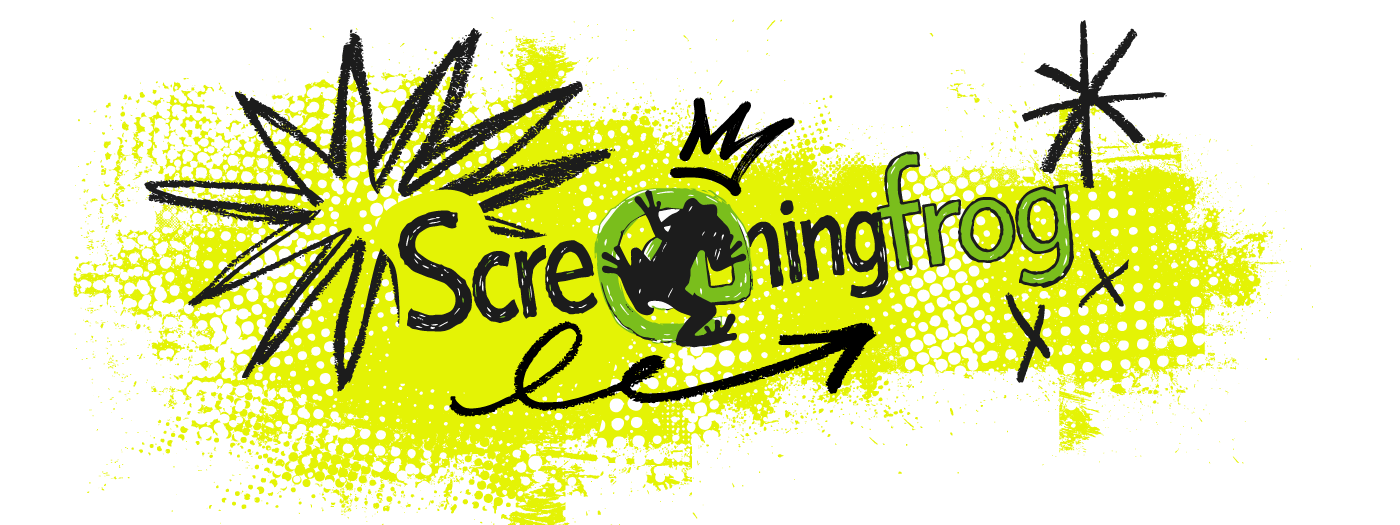
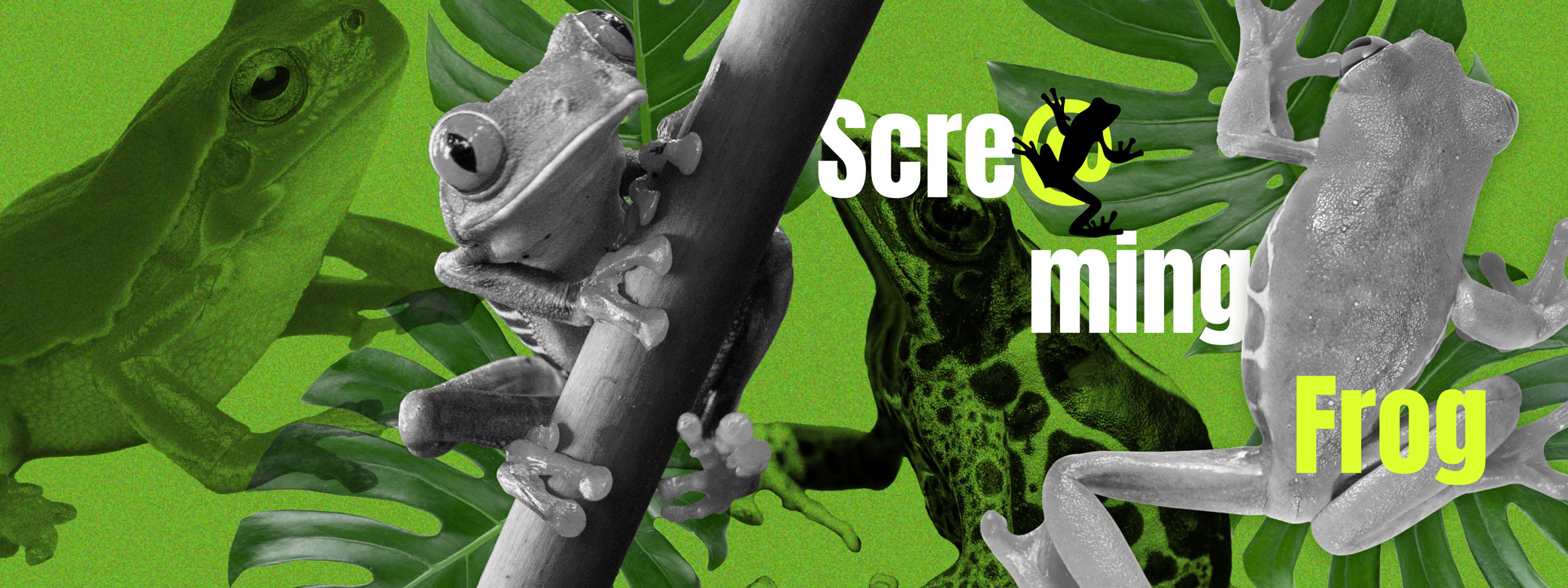
- The Anti-Algorithmic Movement: Designers are actively stripping away the pristine sheen of machine-generated perfection, favoring tactile textures, grainy blurs, and rough, physical-world imperfections.
- Typography as Identity: Text is no longer a passive vessel for reading; it has evolved into a primary artistic medium, characterized by warped proportions, hand-drawn lettering, and expressive collisions.
- AI as a Collaborator, Not a Dictator: The industry has drawn a sharp line between "human-guided" creation and algorithmic "slop," establishing a new standard where machine tools are used for ideation while human taste provides the final filter.
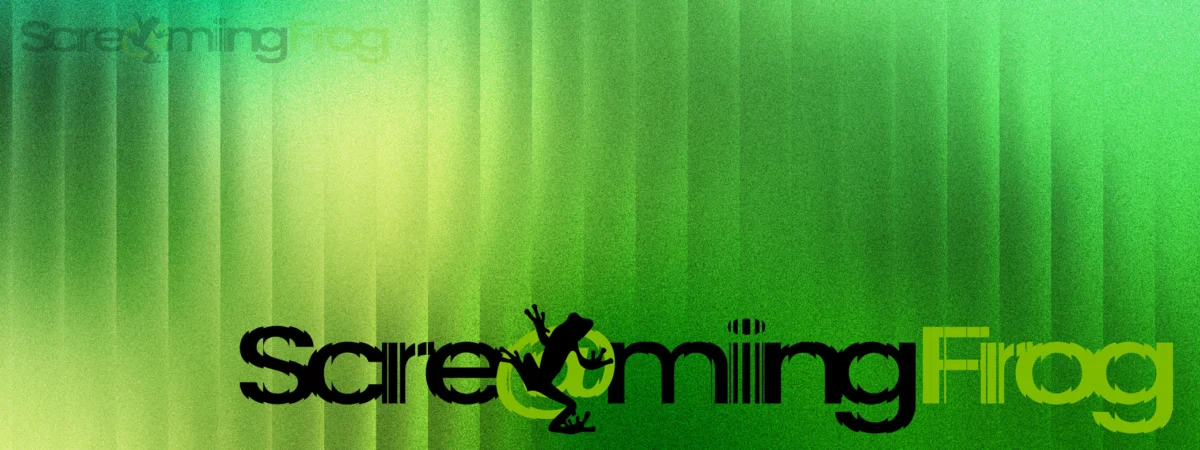
- Revival of Retro-Futurism: Nostalgia is playing a major role, specifically through the revival of 90s zine culture, early CGI aesthetics, and the glossy, optimistic greens and blues of Y2K-era "Frutiger Aero" design.
Chronology: The Evolution Leading to 2026
To understand how the design world arrived at this rebellious juncture, it is helpful to trace the trajectory of digital aesthetics over the past several years:
- 2023–2024 (The AI Gold Rush): Generative AI burst into the mainstream. The initial phase was defined by amazement at technical capabilities. Companies rushed to adopt hyper-realistic, hyper-detailed, and utterly frictionless imagery, temporarily flooding the market with visually stunning yet emotionally hollow assets.
- 2025 (The Fatigue of Uniformity): As digital spaces became saturated with the exact same styles of clean vector art, predictable gradients, and AI-generated realism, audience fatigue set in. Consumers began developing "banner blindness" toward overly polished corporate aesthetics. Brands noticed a distinct lack of memorability and trust in hyper-sanitized visuals.
- Early 2026 (The Tactile Correction): The dam broke. Creatives began intentionally breaking the rules of digital alignment. Software updates began incorporating native tools for distressing typography, adding analog grain filters, and blending mixed-media collages. The industry officially codified the movement away from the "uncanny valley" of digital perfection.
Supporting Data and Cultural Drivers
The shift toward grit and emotion is not merely an artistic whim; it is supported by shifting consumer psychology and evolving workplace dynamics within creative agencies.
- The Trust Deficit: Industry analyses indicate that consumers exposed to endless streams of flawless, AI-generated advertising are experiencing a growing "authenticity deficit." Hand-drawn imperfections, visible brushstrokes, and deliberate asymmetry act as a visual shorthand for honesty.
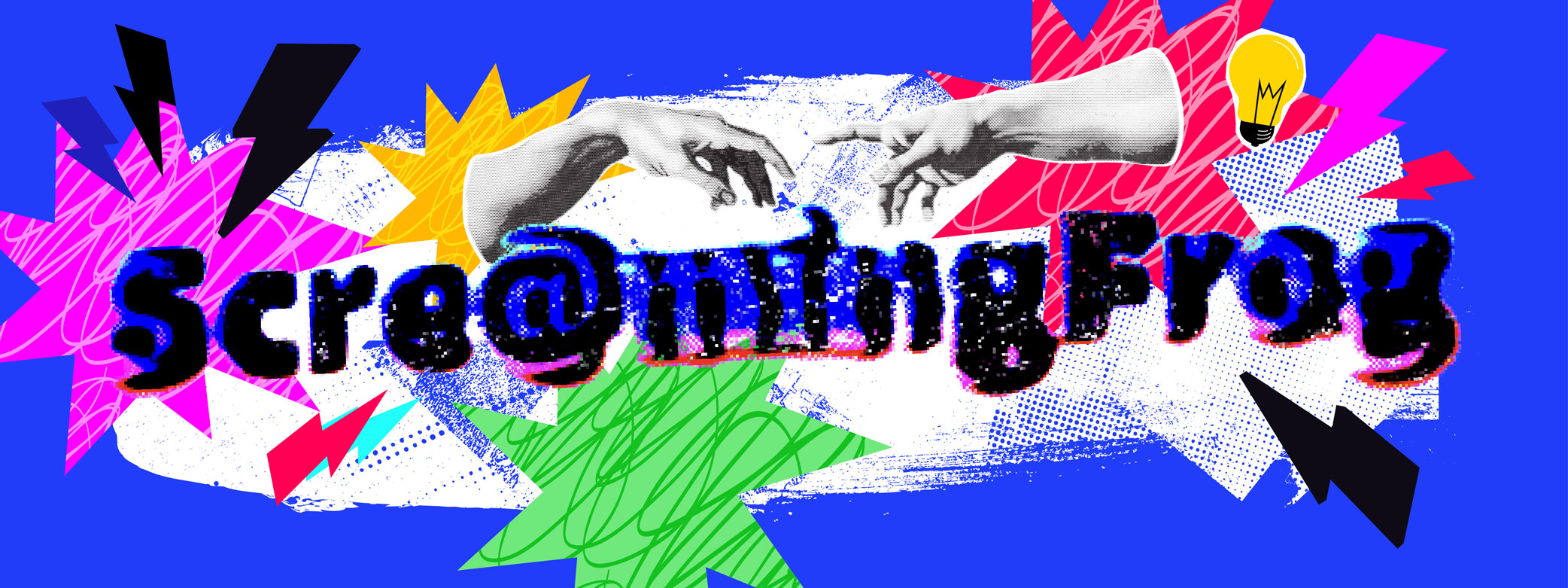
- The Psychology of Error: Historically, some of humanity’s greatest breakthroughs—from penicillin and X-rays to cornflakes—were born from accidents. Design theorists point out that celebrating visual "mistakes" (such as overlapping layers, rough cut-outs, and photocopy artifacts) mirrors the organic way human minds solve problems through trial and error.
- The Proliferation of Mixed-Media Tools: Modern creative software suites have seen a surge in plugins that mimic physical processes—simulating letterpress printing, risograph ink bleeds, and darkroom grain—proving that the demand for physical tactility has successfully invaded purely digital workflows.
Official Responses and Industry Perspectives
Leading creative directors, branding strategists, and digital artists have weighed in heavily on the necessity of this aesthetic pivot.
"We have reached a saturation point where perfection is cheap," notes Elena Rostova, a prominent brand identity architect. "When anyone can prompt a computer to generate a flawless 3D render in three seconds, flawlessness loses its value. What becomes valuable is evidence of human agency—the choices made, the lines crossed, the mess left behind."
Agencies specializing in enterprise UX have also noticed the ripple effects. While functional user interfaces must remain clear and accessible, brand storytelling spaces—such as marketing sites, editorial layouts, and experiential campaigns—are leaning hard into what design critics are calling "Controlled Chaos."
Furthermore, tech leaders developing generative tools have responded to the "slop" critique. Rather than pushing for fully autonomous generation, software developers are doubling down on control-net features, vector path mixing, and layer-based human interventions, acknowledging that the industry’s future relies on human-machine collaboration rather than replacement.
Implications: What This Means for Brands and Creators in 2026
The implications of these 2026 design trends stretch far beyond aesthetic preferences; they dictate how brands communicate value, build loyalty, and stand out in a crowded market.
1. The Death of the Generic Corporate Template
Brands that rely on minimalist, corporate-memphis illustrations or soul-less stock photography risk becoming invisible. To capture attention in 2026, companies must inject genuine personality, tactile textures, and emotional resonance into their visual touchpoints. This means embracing branding that might feel slightly uncomfortable, unpolished, or brazenly unconventional.
2. Storytelling Through Assembly (Collage and Mixed Media)
With cut-out imagery, catalogued layouts, and warped proportions dominating visual communication, storytelling is shifting from polish to curation. Brands are telling stories through visible seams and fragmented narratives, signaling that they value depth, history, and complexity over superficial sheen.
3. The Re-Enchantment of Technology via Dream Logic and Y2K Nostalgia
As digital life becomes increasingly integrated, users are seeking emotional comfort through design. The resurgence of grainy blur, surreal softness, and Frutiger Aero optimism demonstrates that technology can evoke warmth and wonder rather than cold efficiency. By blending 90s and Y2K motifs with modern web capabilities, designers are crafting digital spaces that feel nostalgic yet forward-looking.
4. Typography as a Primary Voice
Type is no longer a passive utility. In 2026, brand voices are literally written into the geometry of their typography—stretched, layered, warped, and handcrafted. Companies must treat their letterforms as dynamic characters that carry tone and attitude.
5. Embracing the Tension of Opposing Forces
Ultimately, 2026 defines a delicate balancing act. The most compelling creative work of the year sits precisely at the intersection of opposing forces: hand-made and machine-made, chaos and control, sentimentality and futurism.
Designers who successfully navigate this tension will not only survive the age of ubiquitous AI, but they will define a richer, more vibrant, and undeniably human future for digital expression. As the year unfolds, the industry watches with bated breath to see how far this rebellion against perfection can stretch.