








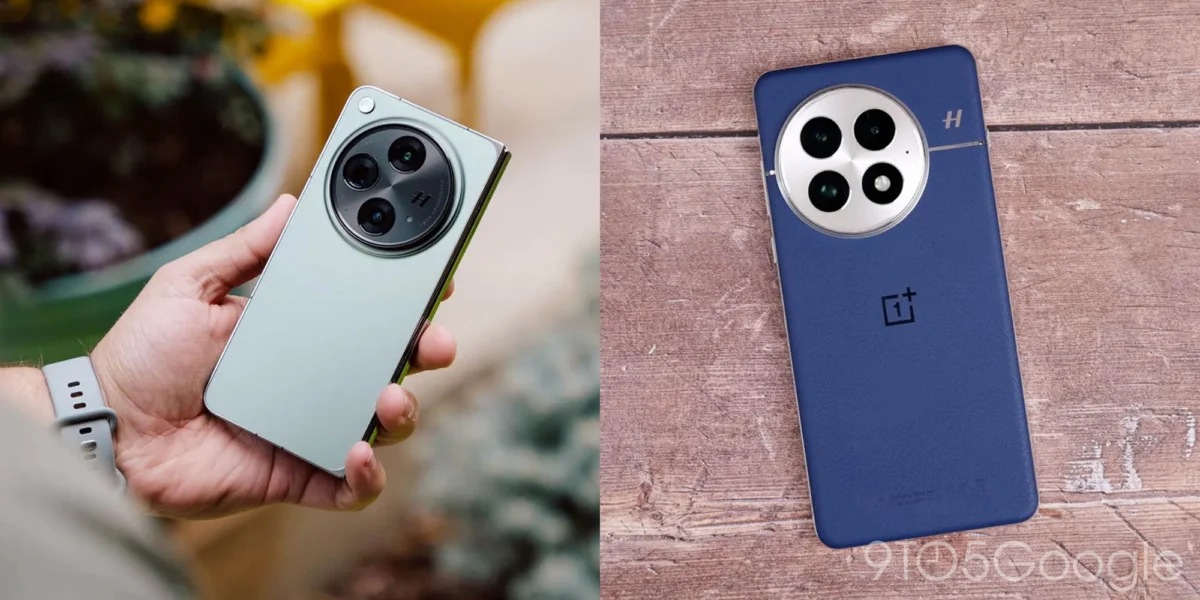
The smartphone landscape is a graveyard of once-promising disruptors, but few departures carry the emotional weight of OnePlus. For over a decade, the brand stood as a defiant alternative to the monolithic dominance of Apple and Samsung. Today, however, the industry faces a definitive reality: the "OnePlus" we once knew has ceased to exist. As the brand fully integrates into the broader ecosystem of its parent company, Oppo, enthusiasts and analysts alike are left to reflect on a legacy defined by "flagship killers," enthusiast-driven software, and a slow, inevitable migration toward the corporate mainstream.
Main Facts: The Final Transition
The recent operational restructuring confirms what many industry insiders had long suspected: OnePlus has moved beyond the "independent startup" facade. While the name persists on hardware, the distinct corporate identity that fostered a cult-like following has been absorbed.
The move signifies the end of the "Never Settle" philosophy as a standalone guiding principle. Instead, OnePlus now serves as a high-performance sub-brand within the OPLUS conglomerate. For the average consumer, this means the end of the experimental, community-led product development cycle that defined the company’s formative years. The hardware remains high-end—perhaps better than ever—but the soul of the brand, which once prioritized the power-user experience above all else, has been effectively neutralized.
Chronology of a Disruption
To understand why this feels like a genuine loss, one must look at the timeline of the company’s trajectory—a classic story of innovation, rapid scaling, and eventual dilution.
2013–2015: The Disruptor Phase
Founded by Pete Lau and Carl Pei, OnePlus entered the market with the OnePlus One. Its strategy was audacious: invite-only purchasing, aggressive pricing, and a custom version of Android (CyanogenMod) that offered more customization than any stock phone on the market. It was the era of the "Flagship Killer," a device that offered top-tier internals at half the price of a Galaxy or an iPhone.

2016–2019: The "T" Era and Mainstream Push
As the brand matured, the invite system was abandoned in favor of traditional retail. The introduction of the "T" series (3T, 5T, 6T) established a rhythm of biannual releases that kept the company in the news cycle. During this time, the brand transitioned from CyanogenMod to its own OxygenOS, which remained beloved for its clean, bloatware-free, and performance-oriented design.
2020–2022: The Oppo Integration
The pivot began in earnest when OnePlus merged its hardware and software teams with Oppo. While the company promised that the "OnePlus experience" would remain distinct, the software began to shift toward ColorOS underpinnings. This was the beginning of the end for the brand’s unique identity, as the distinct "OxygenOS feel" began to fade.
2023–2026: The Final Sunset
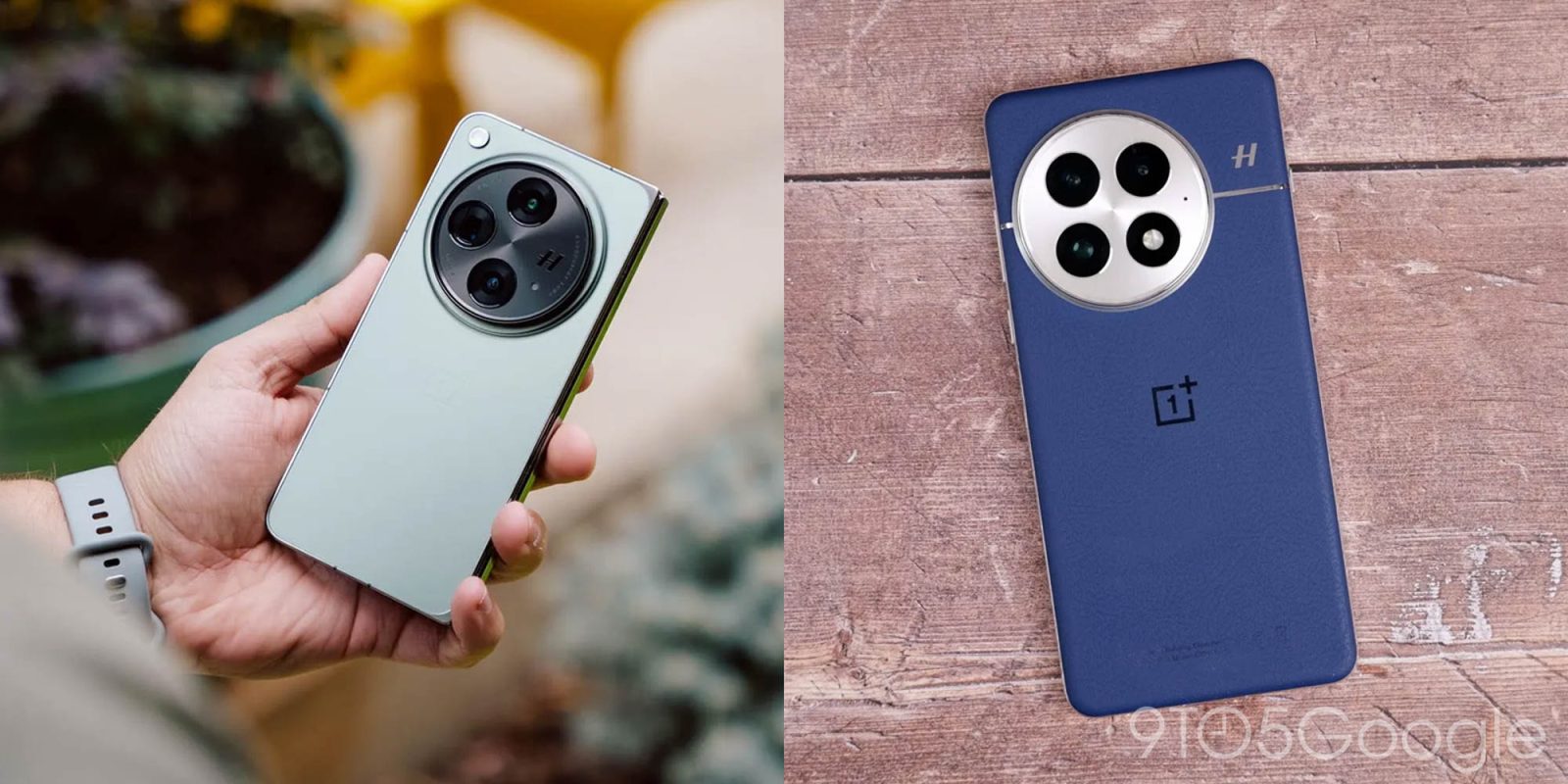
With the release of the OnePlus 13 and the expansion of the "Open" foldable line, the hardware is objectively excellent. However, the brand’s unique market positioning has vanished. It is no longer an underdog; it is a corporate extension of a global manufacturing powerhouse, competing on the same terms as its rivals.
Supporting Data: By the Numbers
The shift in OnePlus’s market position is supported by clear shifts in its consumer demographic and product strategy.
- Average Selling Price (ASP): In 2014, the OnePlus One launched at $299. By 2026, the company’s flagship offerings consistently retail above $800, placing them firmly in the premium category where they no longer have a price advantage over established titans.
- Software Adoption Rates: Analysis of user sentiment regarding OxygenOS shows a significant decline in satisfaction scores following the integration with ColorOS. In 2018, user polls frequently cited software as the primary reason for choosing OnePlus; by 2025, that metric had fallen to the bottom three, behind battery life and camera hardware.
- Market Share Consolidation: OnePlus’s market share in North America and Europe peaked in 2020. Since the merger with Oppo, its growth has largely been absorbed into the collective OPLUS group metrics, confirming its status as a subsidiary rather than a growth-stage competitor.
Official Responses and Corporate Strategy
The official line from OPLUS leadership has remained consistent throughout this transition: efficiency. In various press statements over the past three years, executives have argued that the consolidation of R&D, supply chain management, and software engineering allows for a more "stable and sustainable" product pipeline.
"By leveraging the combined resources of the group," a spokesperson for the brand noted in a recent internal memo, "we are able to bring higher-quality hardware to market faster and with better support."
While this may be true from a manufacturing perspective, it ignores the intangible value of the "community-first" approach. The corporate rhetoric focuses on the "what" (the phone’s specs), while the community has always been concerned with the "how" (the philosophy of the user experience). This gap in communication highlights the fundamental disconnect between the current management and the original base.
Implications for the Android Ecosystem
The "death" of the OnePlus we knew has profound implications for the Android ecosystem.
1. The Loss of the "Enthusiast" Gateway
OnePlus was the primary gateway for users to enter the world of enthusiast Android—custom kernels, rooting, and extreme customization. With the tightening of software integration and the closing of the ecosystem, the "tinkerer" demographic has been largely alienated. Many have migrated to Pixel devices or retreated to custom ROMs on older hardware.
2. The Homogenization of Design
As OnePlus adopts the DNA of Oppo, the market loses one of its most distinct voices. We are seeing a slow homogenization of the Android space, where devices from different manufacturers are becoming increasingly indistinguishable in their design language and software behavior. The "OnePlus personality" was a needed check against the corporate sterility of larger brands.

3. The End of "Flagship Killer" Economics
The death of the original OnePlus model signals that the "Flagship Killer" era is over. The cost of R&D for modern features—such as periscope zoom cameras, advanced foldable hinges, and high-wattage charging—has made the $300 high-performance phone an economic impossibility. The industry has effectively settled into a tiered pricing structure that leaves little room for the kind of market disruption OnePlus once provided.
Conclusion: A Fond Farewell
Looking back at the OnePlus Open or the OnePlus 13, it is easy to see that these are objectively high-quality devices. They are fast, sleek, and reliable. But for those who remember the excitement of waiting for an invite code or the thrill of the first "Flagship Killer" launch, there is an undeniable sense of loss.
OnePlus succeeded too well. It grew from a scrappy disruptor into the very thing it sought to replace. As the brand settles into its role as a stable, high-end component of the Oppo conglomerate, we aren’t just losing a smartphone maker; we are losing a chapter of tech history where the user mattered as much as the bottom line.
The devices will continue to ship, and the logos will remain on the boxes, but the spirit of the brand—the audacious, community-led, "Never Settle" experiment—has effectively come to a close. It was a hell of a ride, and for a few brief years, it truly was the best the Android world had to offer.