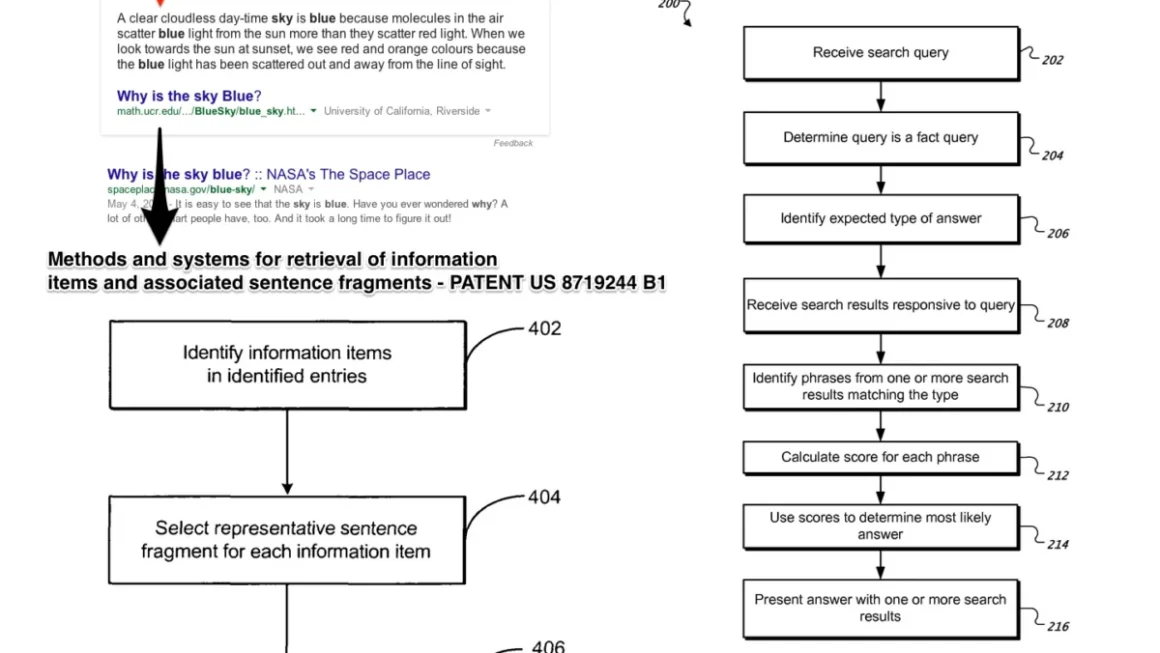










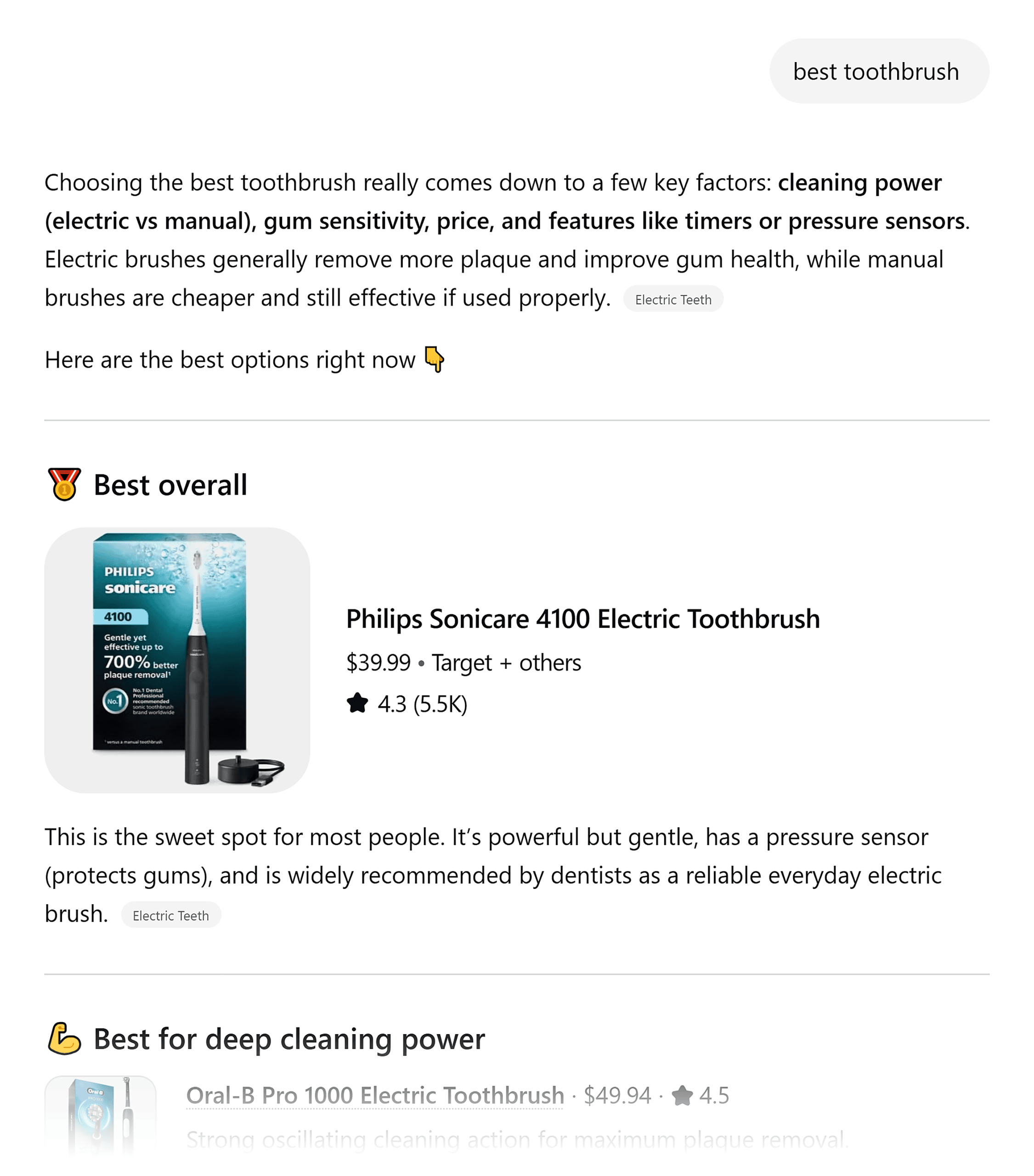
For years, the SEO playbook was simple: optimize for keywords, build backlinks, and aim for that coveted "Position 0" or the top organic spot on Google. But the rise of Large Language Models (LLMs) and generative search has fundamentally shifted the goalposts. Today, a piece of content can rank on the first page of Google and still remain entirely invisible to ChatGPT, Perplexity, and Google’s AI Overviews.

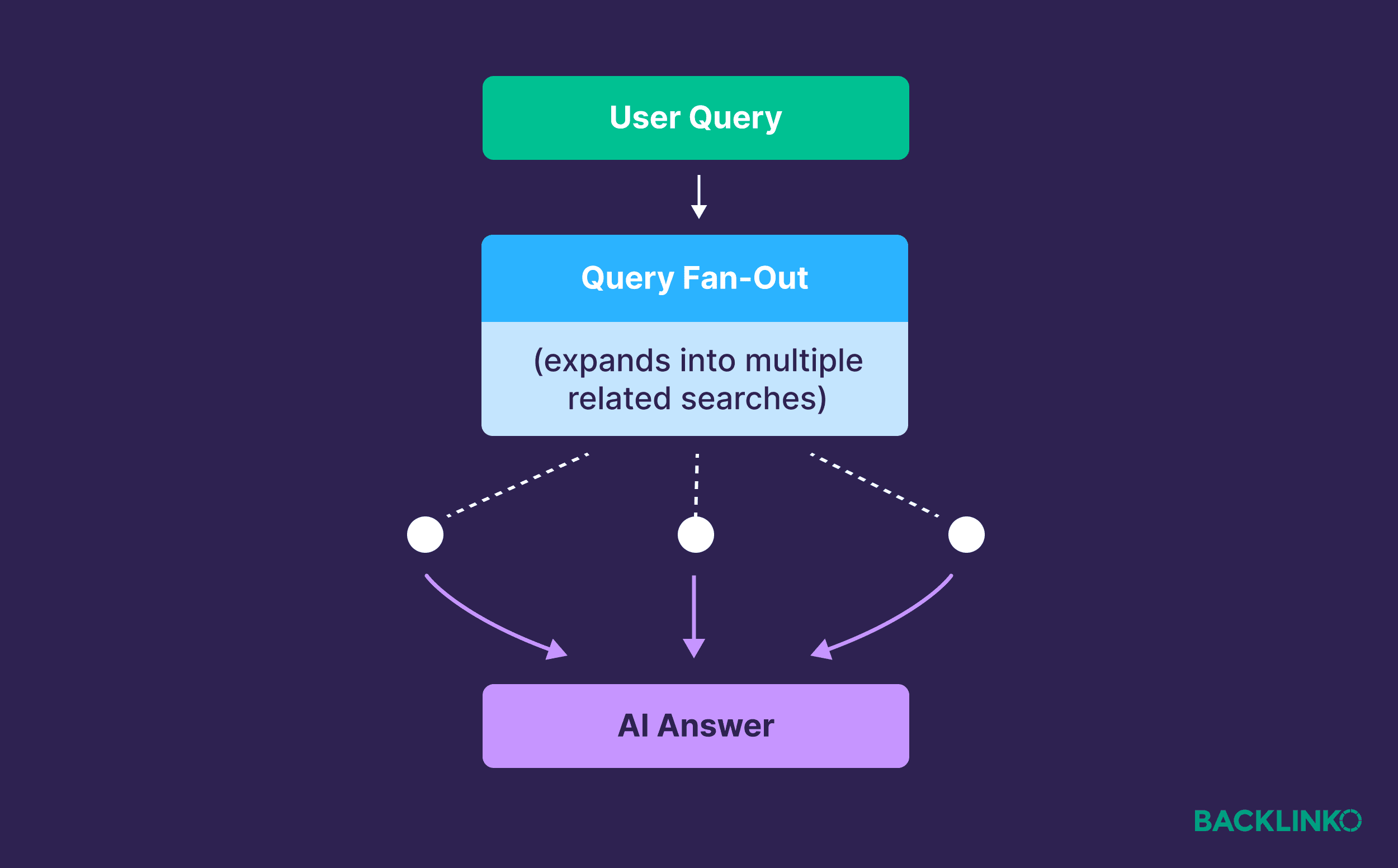
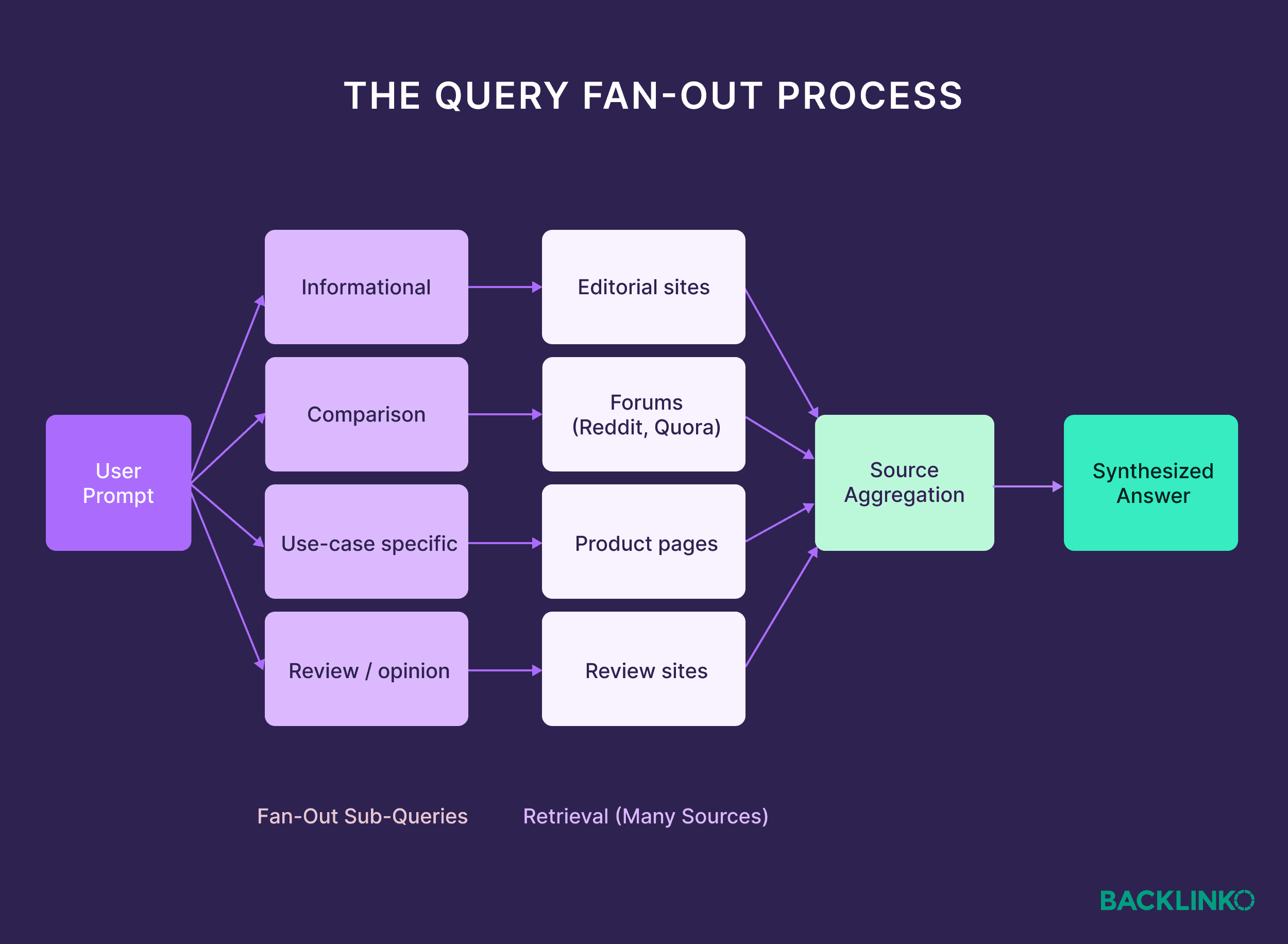
The reason for this disconnect is a behind-the-scenes process known as query fan-out. When a user submits a query to an AI, the system does not simply retrieve the top-ranking webpage. Instead, it breaks that single query into a complex series of sub-queries, mining data from a vast array of sources to synthesize a comprehensive, multi-faceted answer. If your brand isn’t showing up in those underlying sub-searches, you are effectively locked out of the AI-generated response.
What Is Query Fan-Out?
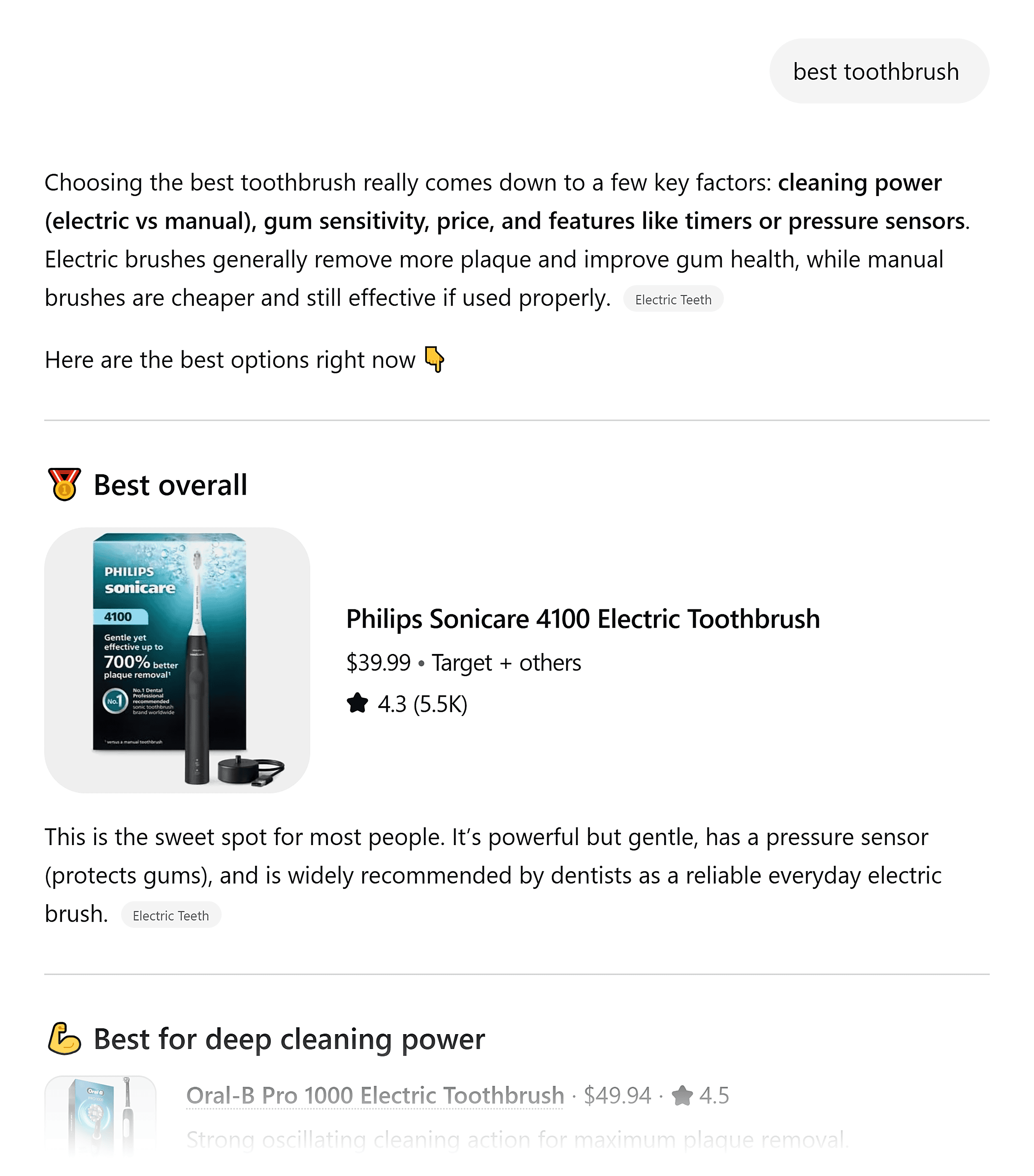
Query fan-out is the mechanism by which AI search engines deconstruct a user’s prompt to build a more helpful, nuanced response. Rather than viewing a two-word query like "best toothbrush" as a singular command, an AI "fans out" the query into a dozen related sub-questions: What are the best electric toothbrushes this year? Which models are best for sensitive gums? How does Oral-B compare to Philips Sonicare? What are the top eco-friendly options?
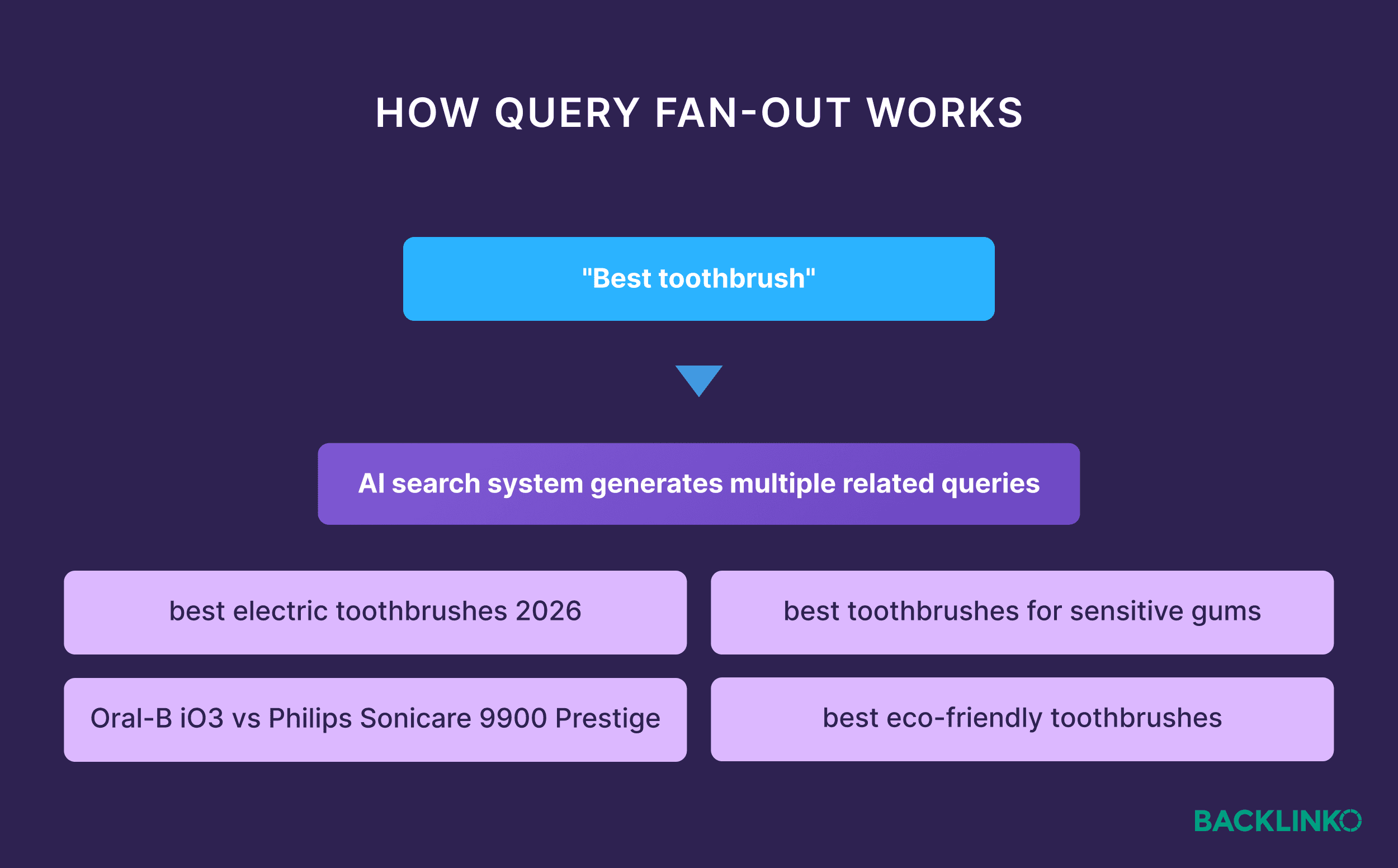
By processing these sub-queries, the AI gathers information from editorial sites, Reddit threads, comparison engines, and product pages. It then synthesizes these disparate data points into a single, cohesive answer that anticipates the user’s needs before they even ask.
Why AI Uses Fan-Out
AI systems rely on this process for three primary reasons:
- Ambiguity Resolution: It clarifies what the user really wants by exploring multiple facets of the topic.
- Comprehensive Synthesis: It allows the AI to provide a "one-stop-shop" answer that covers pricing, use cases, and comparisons simultaneously.
- Accuracy via Consensus: By pulling from multiple sources, the AI can cross-reference facts, reducing the likelihood of "hallucinations" and increasing the reliability of the output.
Why High Rankings No Longer Guarantee Visibility
The traditional SEO hierarchy is crumbling. In the era of LLMs, coverage and "retrievability" are the new kings. A Semrush study found that ChatGPT cites pages in positions 21+ nearly 90% of the time. This indicates that AI prioritizes relevance and directness over the traditional domain authority and ranking position that Google’s search index favors.
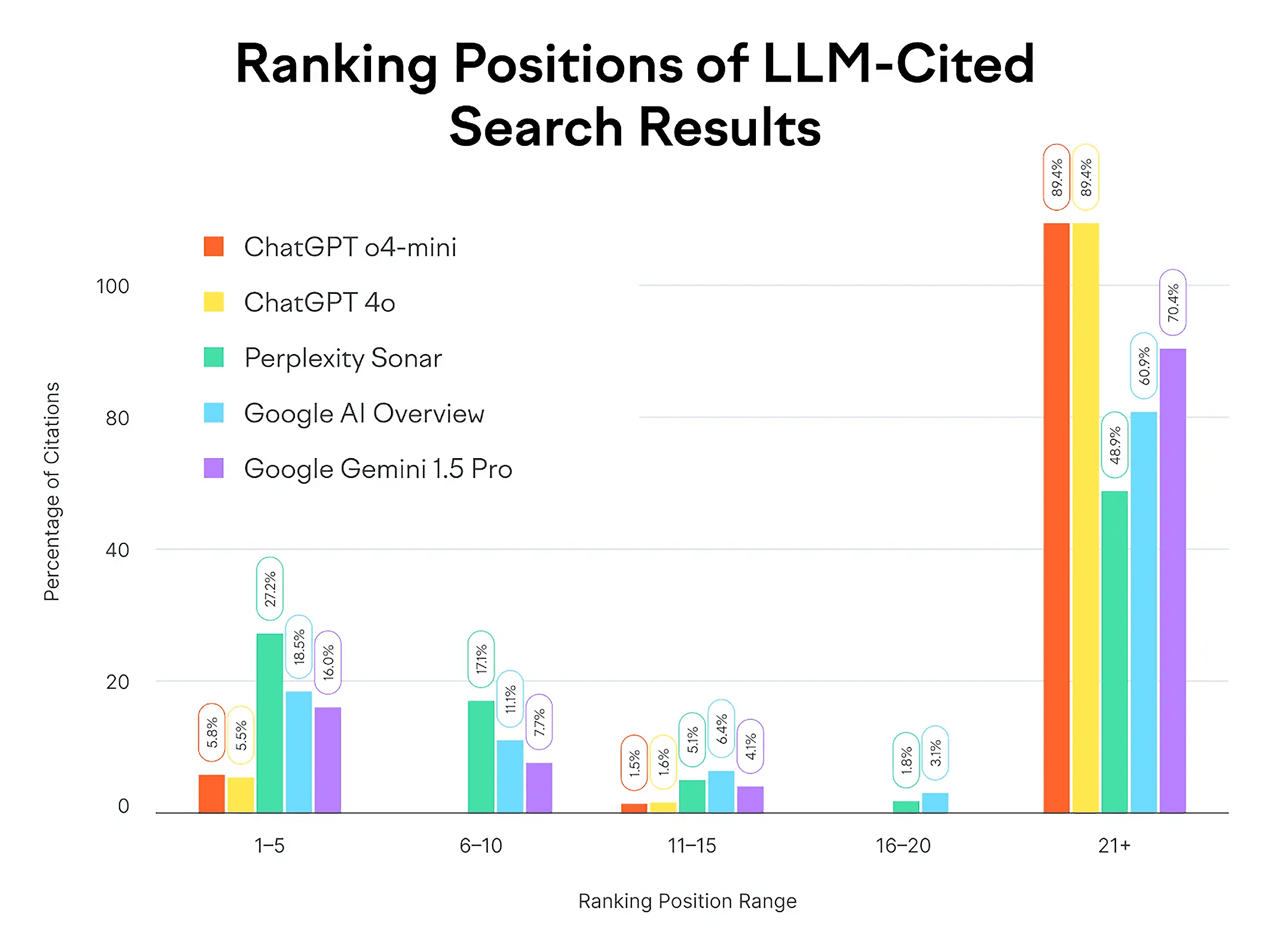
If your content is buried in a long-form article but doesn’t explicitly answer the specific sub-query triggered by the fan-out process, the AI will likely pass over your page in favor of a more direct, albeit lower-ranked, source.
The Six-Step Query Fan-Out Workflow
To win in this new environment, you must optimize your content strategy for the AI’s retrieval process. Here is a repeatable, six-step workflow to reclaim your visibility.
1. Identify Your "Money Prompts"
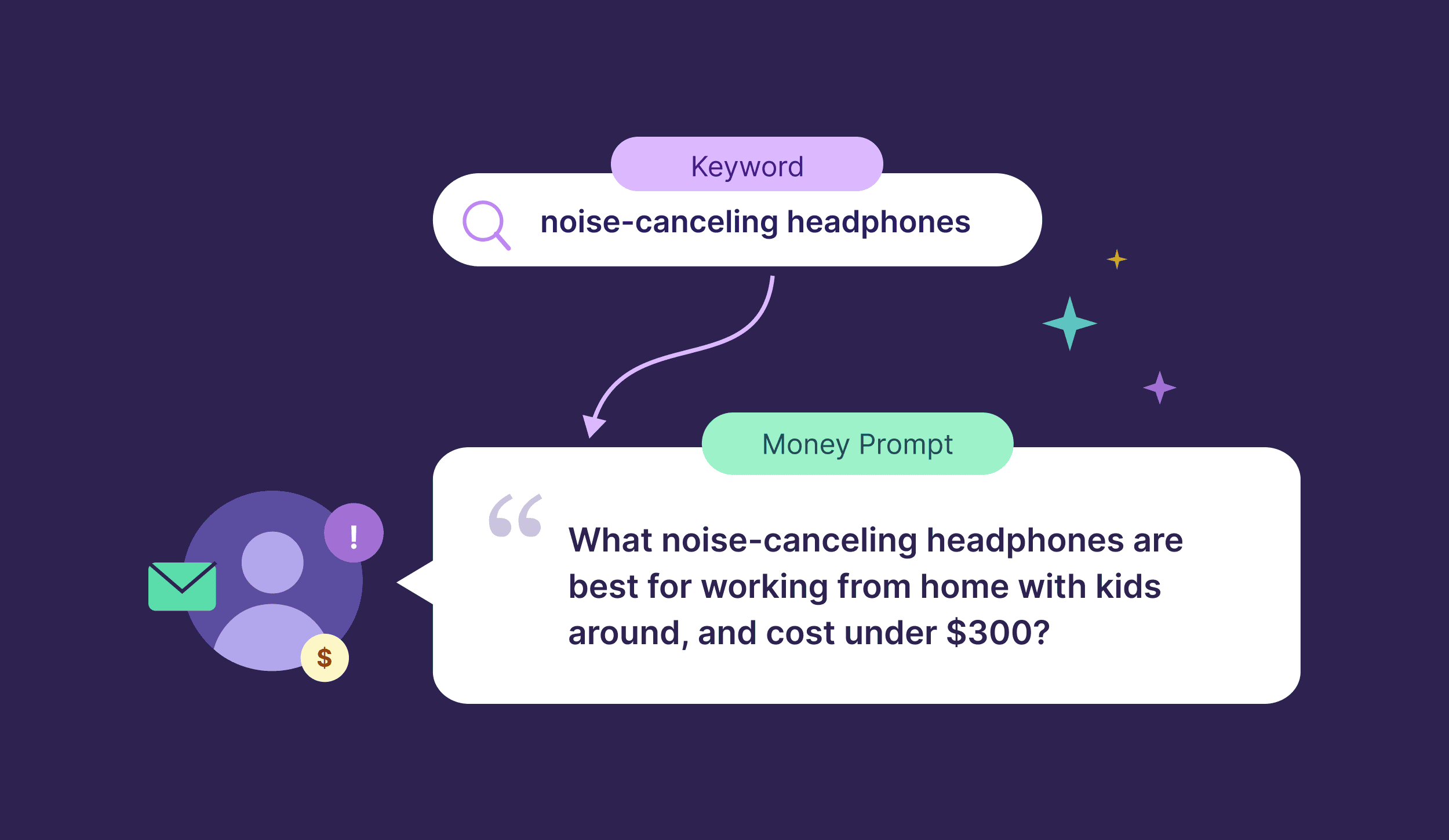
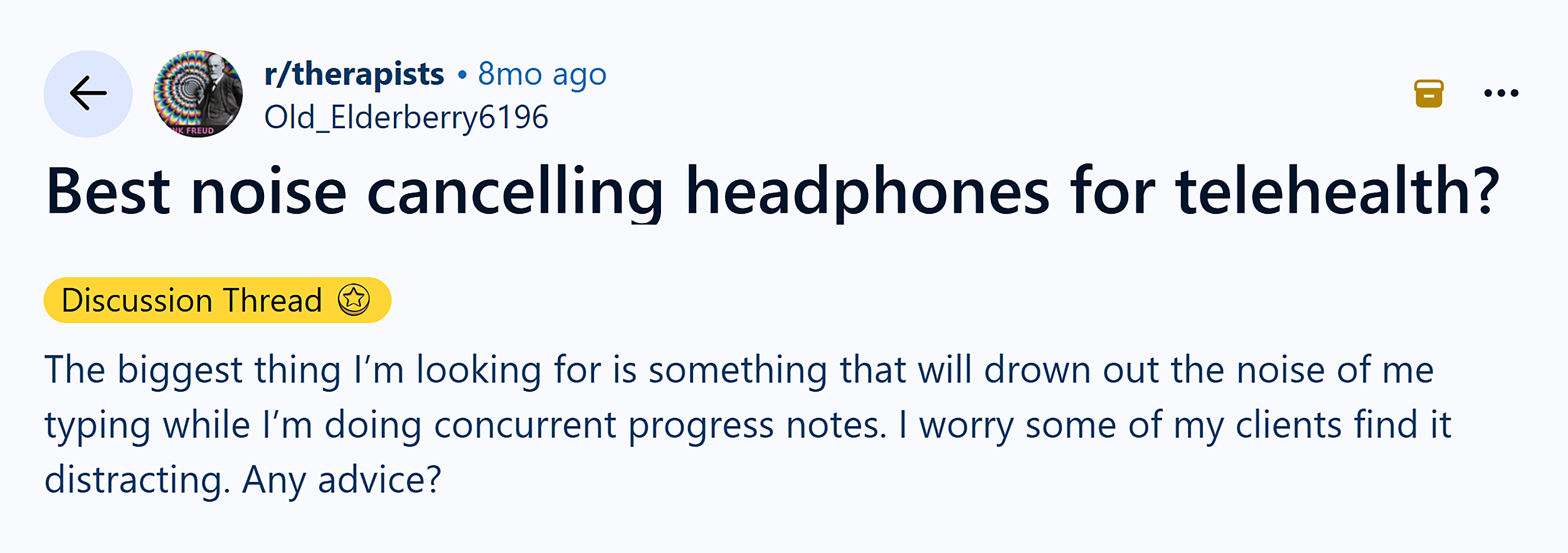
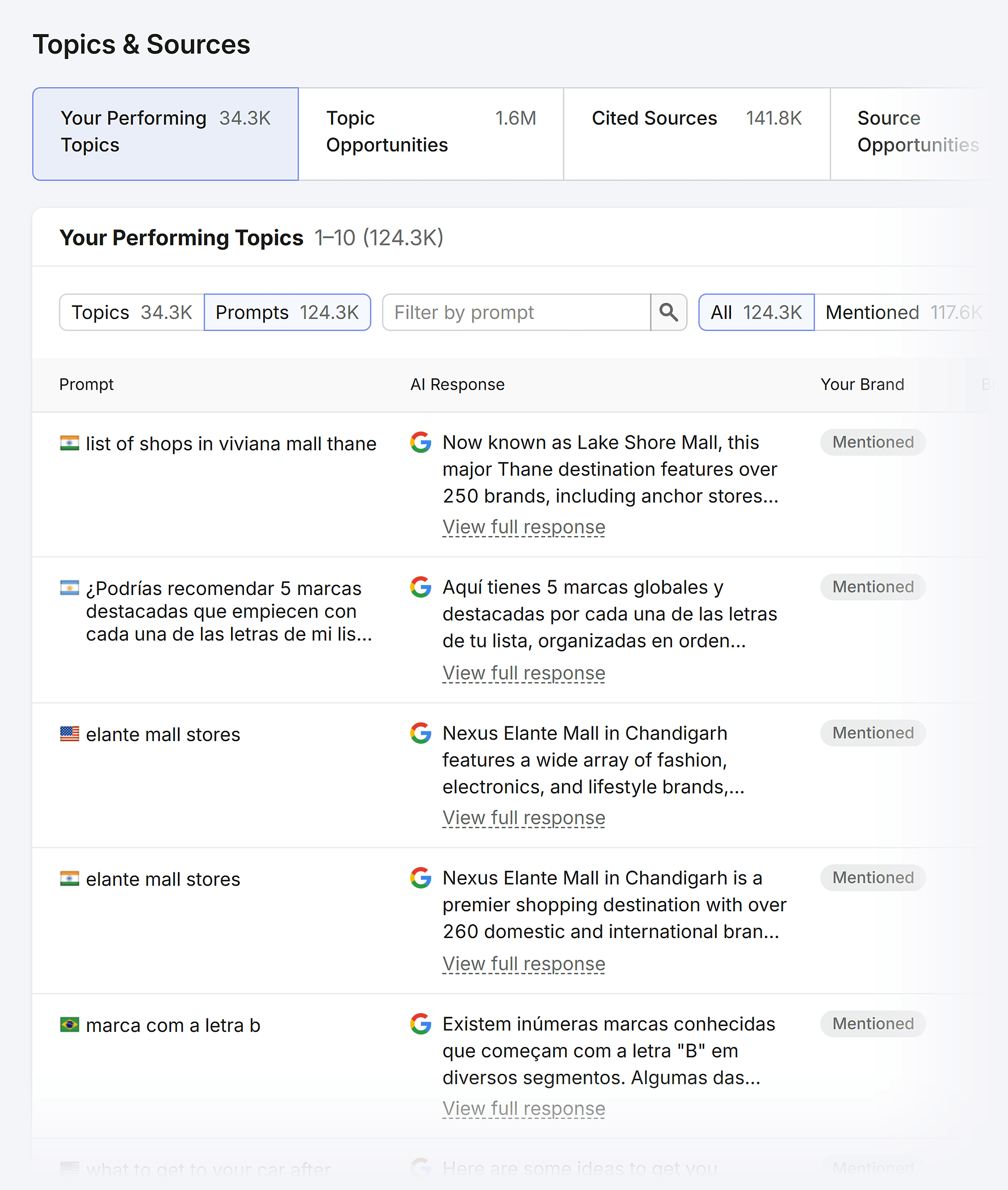
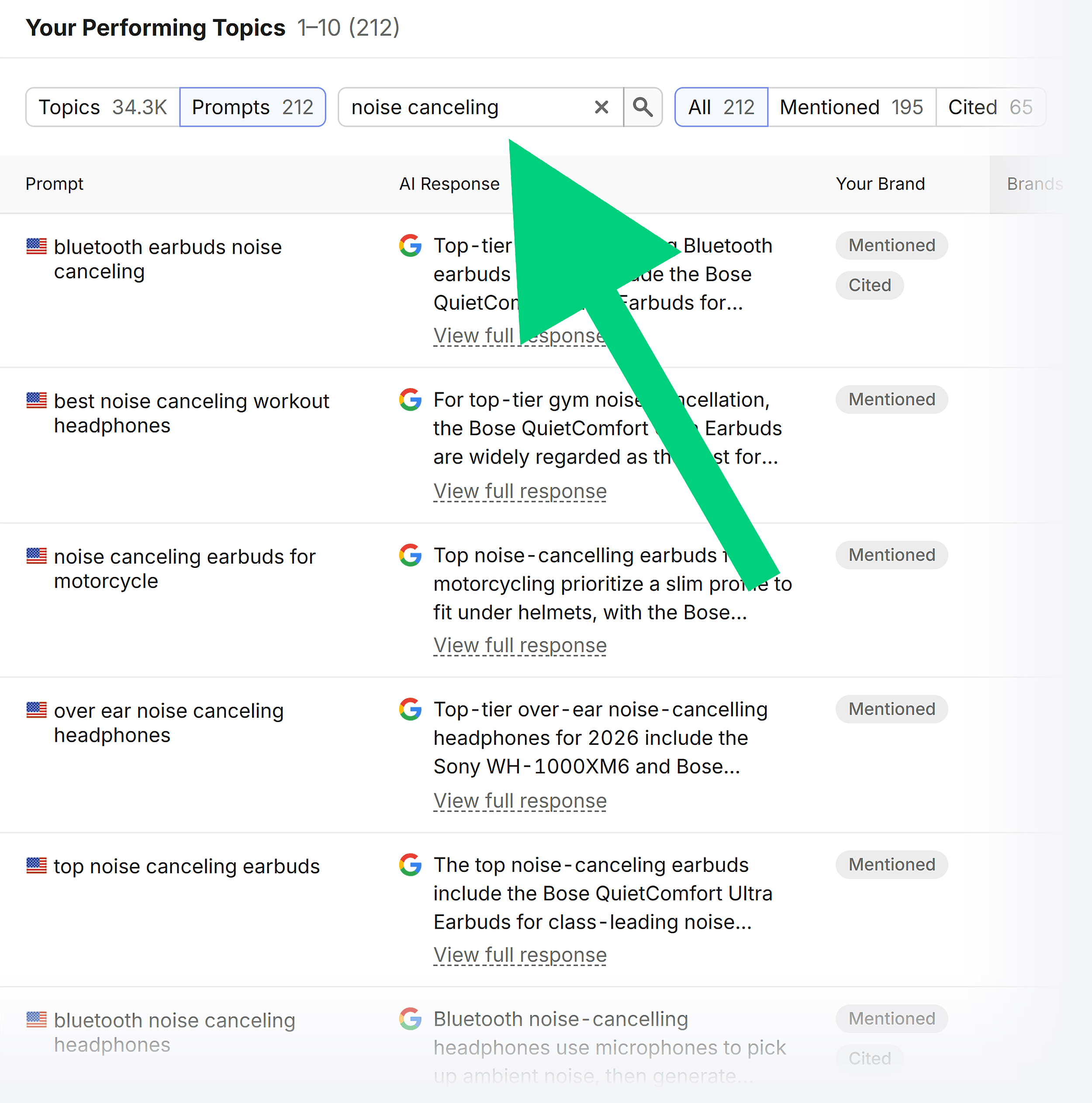
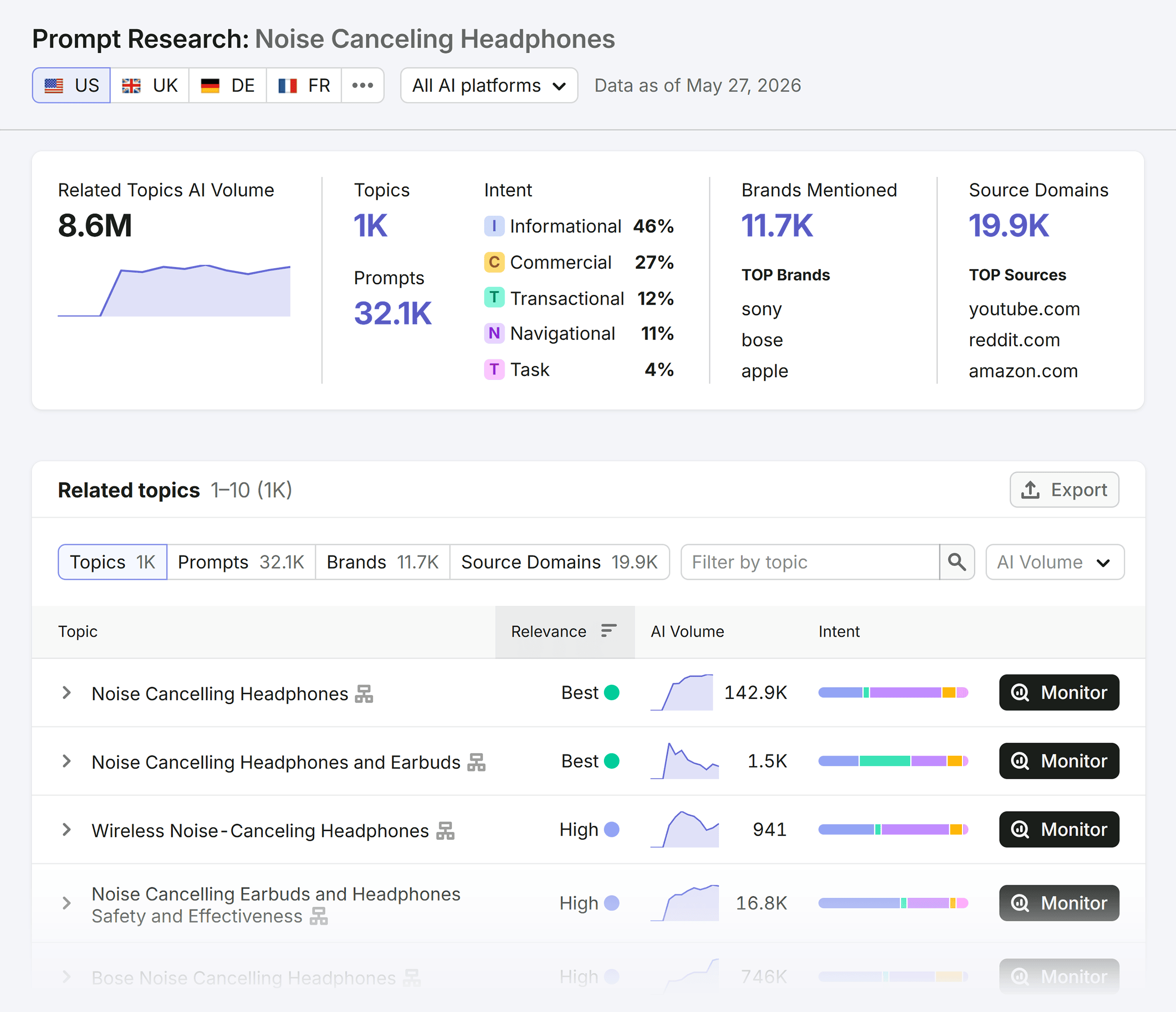
Money prompts are the conversational questions your ideal customer asks an AI tool. They are high-intent and specific. Instead of targeting the keyword "noise-canceling headphones," you should target the prompt: "What noise-canceling headphones are best for working from home with kids around, and cost under $300?" Use tools like the Semrush AI Visibility Toolkit to identify the specific prompts where your brand currently appears—or where you are missing out.
2. Generate Your Fan-Out Set
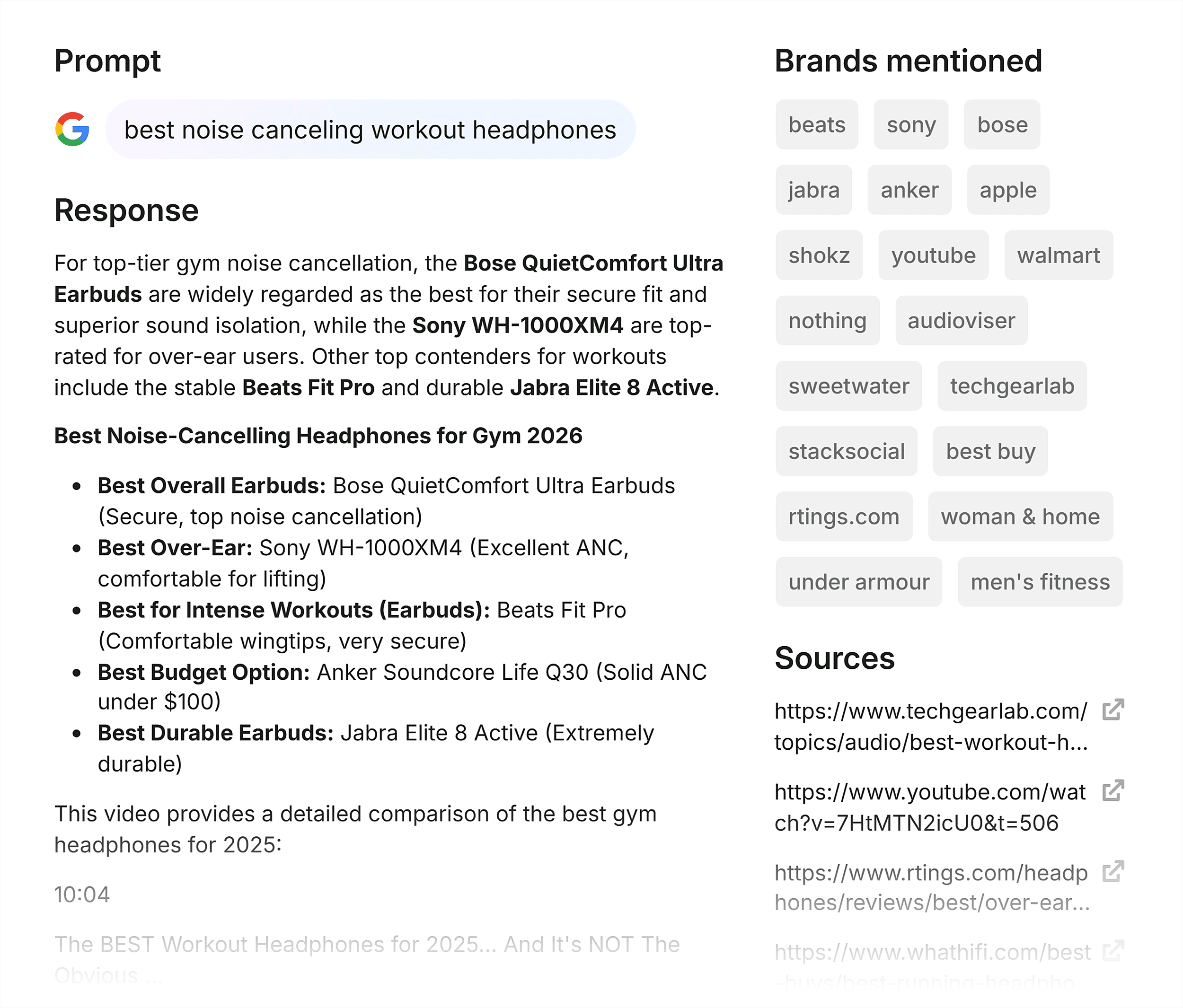
To understand how your brand is perceived, you need to see the sub-queries the AI is running. You can do this manually by asking an AI to "Act as a search engine, take this prompt, and break it down into the sub-queries needed to provide a complete answer." Alternatively, use browser-based tools like the ChatGPT Query Fan-Out extension to see the live sub-queries the system generates in real-time.
3. Bucket Sub-Queries by Intent
Once you have your sub-queries, categorize them by intent. Ask: What does the user want to do after getting this answer?
- Comparison: Weighs options (e.g., "Sony vs. Bose").
- Troubleshooting: Fixes a problem (e.g., "How to stop audio background noise").
- Value: Evaluates cost (e.g., "Best headphones under $150").
4. Audit Your Existing Content for Gaps
Perform a site:yourdomain.com [sub-query] search on Google. If you find no pages covering the sub-query, you have a content gap. If you have partial coverage, you need to add a dedicated section or FAQ block that provides a clean, concise answer that an AI can easily extract.

5. Structure Content for Extraction
AI models parse HTML. If your information is trapped inside a paragraph of fluff, the AI may ignore it. Use:
- H2/H3 subheadings that mirror the sub-queries.
- Structured tables for comparison data.
- Bullet points for features or pros/cons.
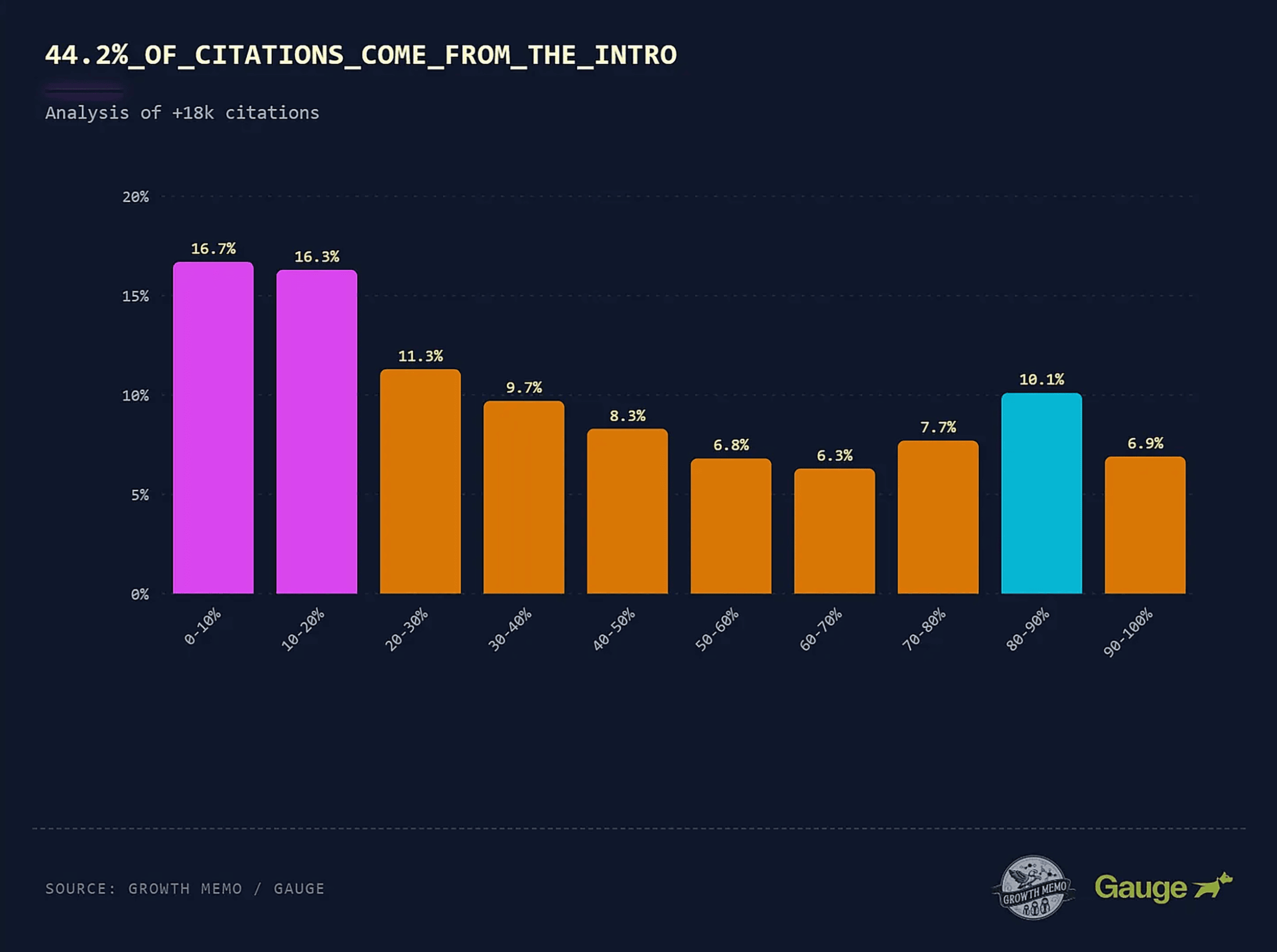
- Front-loaded answers: Place the core answer in the first 30% of the page.
6. Measure Performance in AI Search
Tracking is not a "set and forget" task. Use AI-specific tracking tools to monitor whether your brand is being cited in LLM answers. Look for trends: Is your sentiment improving? Are you being cited alongside your biggest competitors?
Implications for the Marketing Funnel
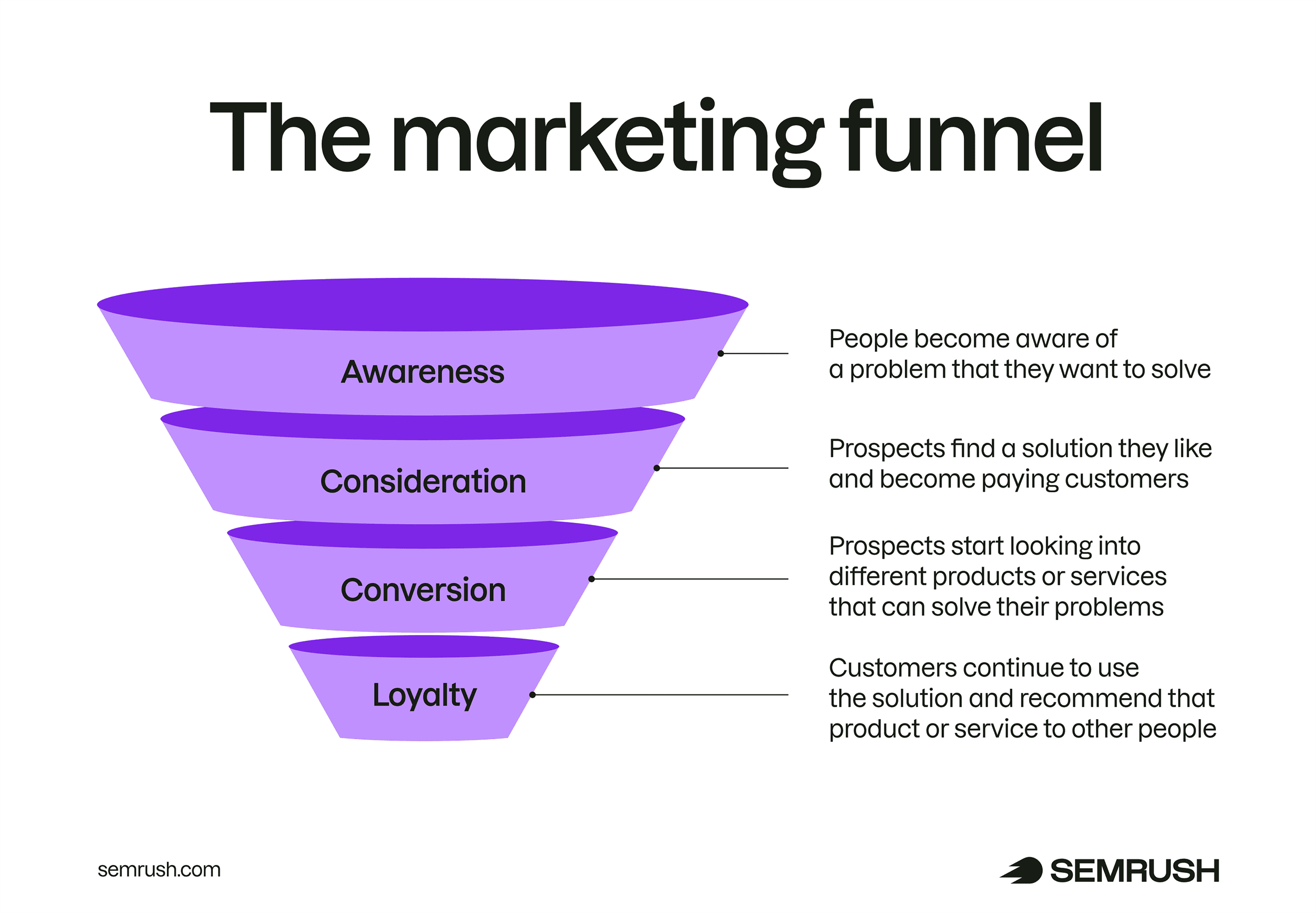
The most profound shift caused by query fan-out is the collapse of the buying journey. Traditionally, marketers created separate content for awareness (blog posts), consideration (comparison pages), and decision (product pages).
In an AI-search world, the entire funnel happens in a single interaction. A user asks one high-intent question, and the AI provides the awareness, consideration, and decision-level data all at once. Consequently, your content must be "full-funnel" by design. Every high-value page on your site should be capable of serving as an entry point for a user at any stage of their journey.
Conclusion
Query fan-out has moved the goalposts, but it hasn’t made SEO obsolete—it has made it more precise. By shifting your focus from "ranking for keywords" to "answering the sub-queries that drive the AI response," you can position your brand as the authoritative source that LLMs rely on. The future of search isn’t just about being found; it’s about being the information that the AI chooses to trust.