









The rapid ascent of generative AI tools like ChatGPT, Claude, and Gemini has fundamentally altered the digital marketing landscape. For SEO professionals, the emergence of these platforms has triggered a singular, pressing inquiry: Can AI-generated content actually rank in Google Search, or is it a fast track to a manual action?
The short answer is a definitive "yes"—but with significant caveats. Google’s algorithms are increasingly indifferent to the origin of the content, focusing instead on its utility and reliability. However, the line between "AI-assisted efficiency" and "spammy automation" is razor-thin, and crossing it can result in wasted crawl budgets, diminished domain authority, and a loss of reader trust.
The Core Reality: What is AI-Generated Content?
AI-generated content encompasses any text, image, code, or media produced by Large Language Models (LLMs) or generative algorithms. In the SEO ecosystem, the term is primarily used to describe long-form text created by tools such as Jasper, Writesonic, or ChatGPT.
It is vital to distinguish between three categories of production:
- AI-Generated: Content produced entirely by a machine with little to no human intervention.
- AI-Assisted: Human-led content where AI functions as an editor, researcher, or drafter, with a human maintaining editorial control.
- AI-Automated: Content created at scale, often via API, with zero human oversight—a practice that frequently triggers Google’s "spam" safeguards.
The difference here is not just semantic; it is structural. Search engines today prioritize the "Human-in-the-Loop" approach, where expertise and editorial judgment act as the guardrails for AI’s efficiency.
Chronology of Google’s Stance
Google’s position on AI has evolved alongside the technology. In the early days of LLMs, there was widespread anxiety that Google would penalize all machine-produced text. However, Google Search’s official guidance has remained consistent since the early 2023 updates: Google rewards high-quality, helpful content, regardless of the production method.
- Early 2023: Google updated its search documentation to clarify that using automation—including AI—to generate content primarily for the purpose of manipulating search rankings is a violation of spam policies.
- Late 2023–2024: The introduction of "AI Overviews" (formerly Search Generative Experience) solidified the trend. Google moved toward an "E-E-A-T" framework (Experience, Expertise, Authoritativeness, and Trustworthiness).
- The Present: Google’s algorithms are now sophisticated enough to distinguish between "thin" AI content—which simply parrots existing web data—and "insightful" AI-assisted content that adds value to the searcher.
The E-E-A-T Paradigm: Why AI Struggles Without Humans
The primary reason many AI-only articles fail to rank is their inability to demonstrate Experience.
Google’s E-E-A-T framework requires that content reflects real-world engagement. An AI can write a technically correct article on "How to fix a leaky faucet," but it cannot provide the specific, first-hand nuances of a plumber who has encountered a rare pipe fitting.
Why AI-Only Content Often Fails:
- Hallucinations: AI is prone to "confidently incorrect" statements. In YMYL (Your Money or Your Life) sectors—such as finance, medicine, and law—these errors are not just poor SEO; they are ethical risks.
- Lack of Originality: AI models are trained on the "average" of the internet. By definition, they produce content that reflects the consensus of existing web data, making it difficult for the content to provide a unique perspective or "hook" that distinguishes it in the SERP (Search Engine Results Page).
- Missing Intent: Many marketers use AI to mass-produce pages based on keyword volume. These pages often fail to satisfy the actual "Search Intent"—the underlying reason why a user performed the query in the first place.
Strategic Implications: AI as an Assistant, Not a Replacement
To leverage AI effectively, SEOs must pivot from "AI-Generated" to "AI-Assisted" workflows. The following strategies represent the industry standard for maintaining high rankings in the age of AI.

1. Keyword Brainstorming and Intent Mapping
AI excels at clustering keywords and predicting search intent. By using AI to identify related sub-topics, you can create more comprehensive content hubs. However, these suggestions must be validated against real-world data from tools like KWFinder or Google Trends to ensure there is genuine search demand.
2. The Content Brief Workflow
The most effective way to use AI is at the beginning of the process. An AI can draft a structured outline based on top-performing SERP results. By feeding the AI your own unique data points, case studies, or brand voice guidelines, you ensure the output is tailored rather than generic.
3. The "Human-in-the-Loop" Editorial Filter
Every AI-generated draft must be treated as a raw material, not a finished product. A human editor must:
- Fact-check: Verify every claim, statistic, and source.
- Tone Adjustment: Ensure the content matches the brand’s unique voice.
- Add "Experience" Layers: Insert original screenshots, data, expert quotes, and personal anecdotes that an LLM could not possibly know.
When to Avoid AI Entirely
There are specific contexts where AI-generated content should be strictly avoided. For high-stakes professional advice, technical documentation, or original journalistic research, the risk of inaccuracy outweighs the efficiency gains. If a topic requires deep professional accountability—such as legal counsel, medical diagnosis, or financial planning—AI should strictly be used for administrative organization, not for generating the core advice itself.
Creating Content that Survives the "AI Overviews" Era
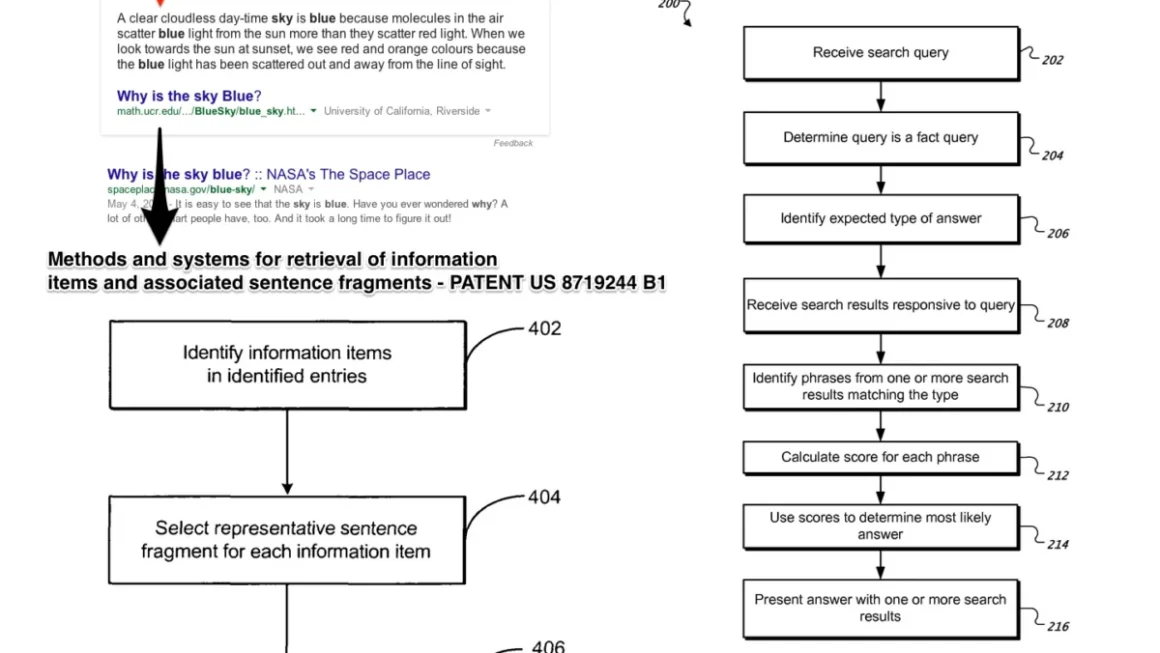
The rise of AI Overviews (SGE) has changed the search landscape. Google now answers many queries directly on the results page. To succeed, websites must stop competing for simple "fact-based" keywords and start providing deep, authoritative resources that AI cannot replicate.
The Future SEO Strategy:
- Focus on Depth: AI provides the "what." Your content must provide the "how" and the "why."
- Personal Branding: In an era of infinite AI content, the "who" matters more than ever. Content written by known experts will carry more weight than anonymous, AI-authored posts.
- Community Engagement: Foster discussions and unique insights that aren’t available on the broader web. If your site offers a perspective or a dataset that is exclusive, Google will continue to prioritize it over generic AI summaries.
Conclusion: The Path Forward
AI is neither a magic bullet nor a death knell for SEO. It is a powerful tool for productivity that, when used properly, allows human creators to spend less time on structural drafting and more time on high-level strategy, original research, and creative storytelling.
The sites that will win in the coming years are those that treat AI as a junior researcher. By combining the speed of artificial intelligence with the empathy, accountability, and real-world experience of human experts, brands can build content that is not only optimized for the algorithm but, more importantly, genuinely useful for the people on the other side of the screen.
The golden rule remains unchanged: If your goal is to help the user, you are safe. If your goal is to cheat the system, the algorithm will eventually catch up.