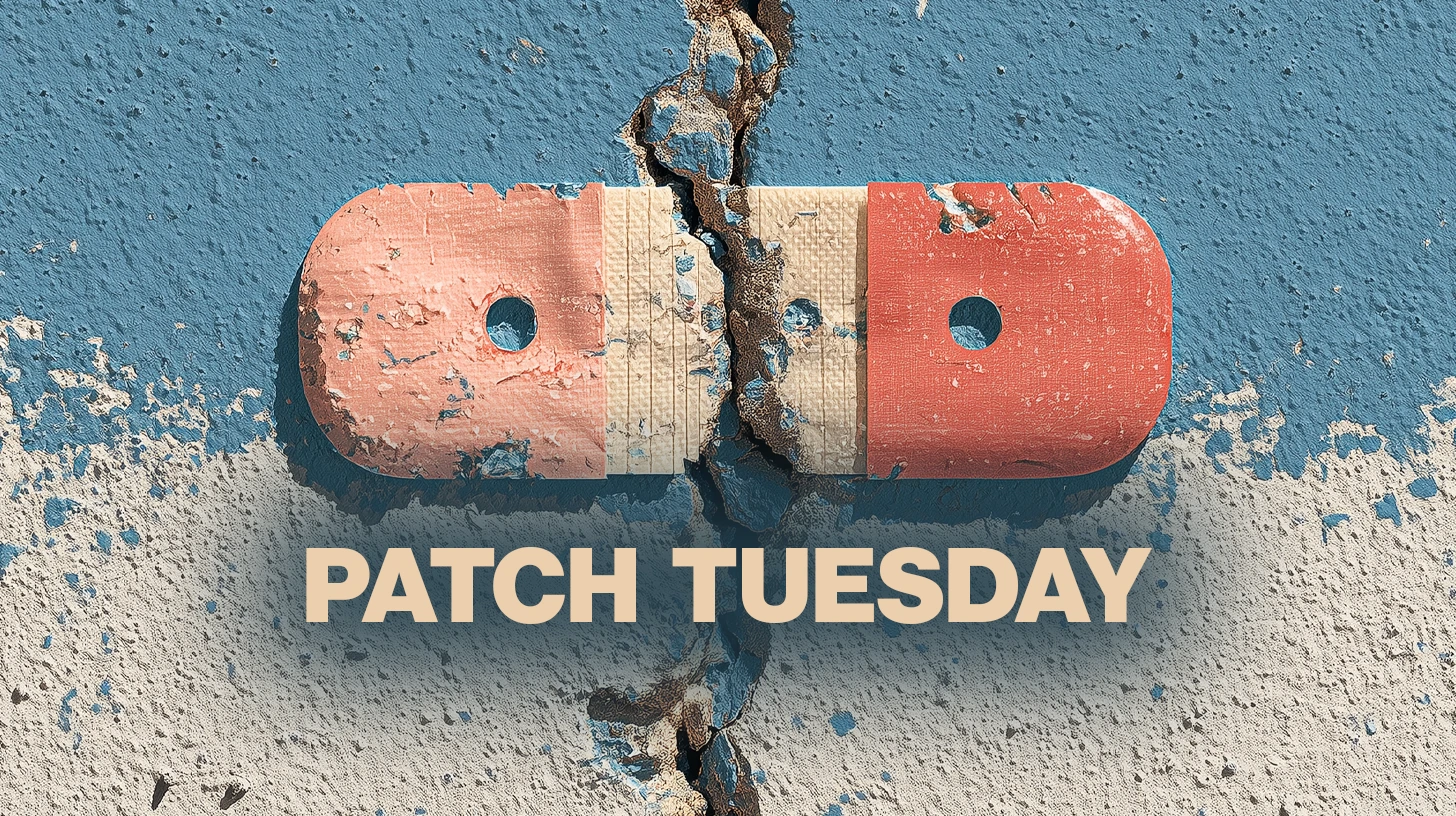
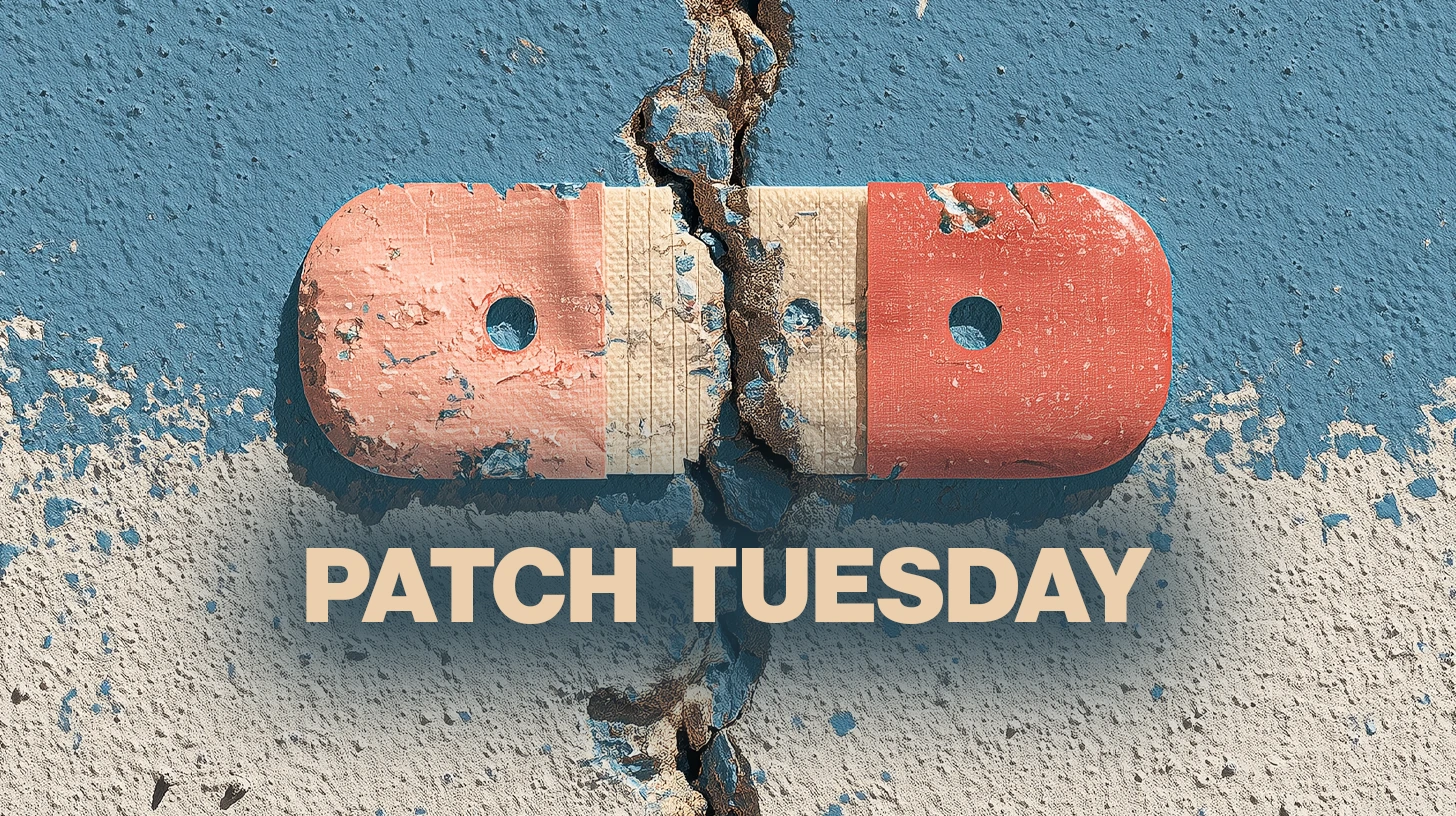
The cybersecurity landscape has entered a period of unprecedented volatility. As we traverse the fourth month of what industry analysts have dubbed the "Patch Apocalypse," the sheer volume of CVEs (Common Vulnerabilities and Exposures) being reported has reached a staggering, all-time high. For IT administrators and security professionals, the routine of Patch Tuesday—once a manageable monthly chore—has transformed into a grueling endurance test.
In September 2026, Microsoft set a grim milestone by addressing 973 distinct CVEs across its expansive portfolio. While the sheer magnitude of this number might induce a sense of numbness among security teams, the reality is that the threat surface remains as dynamic as ever.
Main Facts: A Record-Breaking September
The September 2026 update cycle stands as the largest single-month remediation effort in Microsoft’s history. Despite the daunting figure of 973 CVEs, a closer analysis offers a glimmer of relief: only two vulnerabilities, CVE-2026-85880 and CVE-2026-81963, were classified as "Known Exploited." Furthermore, there were zero instances of public disclosure regarding these vulnerabilities prior to the patch release.
For the average enterprise, this means the directive remains consistent: prioritize systems at the highest risk. However, the psychological weight of managing near-thousand-patch reports cannot be understated. Organizations are currently forced to balance the need for rapid deployment with the fear of systemic instability, a balance made increasingly difficult by the sheer velocity of incoming security bulletins.
Chronology of the 2026 Patch Cycle
The current year has been marked by a relentless cadence of releases, characterized by both expected updates and emergency out-of-band (OOB) interventions.
- Mid-September 2026: Microsoft issued a series of OOB patches for Windows 10, Windows 11, and Server 2025 to address critical functional regressions, including Remote Desktop Services (RDS) failures, disappearing Hyper-V host folder shares within Linux VMs, and intermittent loss of audio for USB-connected devices.
- September 14, 2026: Apple launched macOS 27, codenamed "Golden Gate," signaling the retirement of support for Sonoma.
- September 29, 2026: Microsoft released Windows 11 26H2. Simultaneously, Apple deployed critical patches to address a zero-day exploit in their Core Graphics framework (CVE-2026-86950) across all active OS versions.
- October 2026 Outlook: The upcoming cycle is slated to be a high-stakes period, featuring final updates for Windows 11 24H2 (Home/Pro), the conclusion of ESU support for Server 2012/2012 R2, and the final curtain for Exchange Server 2016/2019 ESU support.
The Office Update Dilemma: A Case Study in Legacy Friction
Perhaps the most significant source of operational friction in 2026 has been the ongoing support of legacy Microsoft Office versions. Although Microsoft officially declared the end-of-support (EOS) for Office 2016 and 2019 in October 2025, the company reserved the right to issue discretionary security updates.
This policy has led to a precarious environment where these products receive sporadic patches that lack the rigorous testing cycle applied to mainstream software. The fallout was clearly illustrated by the release of KB5002907, an optional update intended to remediate out-of-date Microsoft 365 applications. The update inadvertently triggered widespread deactivation and uninstallation events for Office 2016 and 2019 users, forcing Microsoft to pull the KB from circulation immediately.
This incident serves as a stark warning: maintaining unsupported or "limbo" software creates a fragile ecosystem. When security updates for modern suites interact poorly with legacy dependencies, the resulting downtime often exceeds the risk of the vulnerabilities being patched.
Supporting Data and Technical Implications
The complexity of modern enterprise environments is being exacerbated by Microsoft’s shifting nomenclature and support strategies. The release of Windows 11 26H2, for example, shares a common kernel with 24H2 and 25H2, allowing for a relatively seamless transition via an "Enablement Package." While this reduces technical debt, it masks the underlying reality: the lifecycle of operating systems is accelerating.
The Channel Consolidation
In a move that has been largely welcomed by systems administrators, Microsoft began the process of simplifying its update channels in July 2026. By consolidating the "Semi-Annual Enterprise Channel" and the "Monthly Enterprise Channel" into a single, unified enterprise update channel, Microsoft is finally addressing the confusion that has plagued IT departments for years. Reducing the number of unique update configurations is a critical step in lowering the human error rate during patch deployment.
Apple’s Evolving Ecosystem
Apple’s release of macOS 27 (Golden Gate) underscores the "three-version support" policy that keeps their user base relatively synchronized. However, the presence of zero-day vulnerabilities like CVE-2026-86950 serves as a reminder that no ecosystem is immune. The rapid response to this zero-day—deployed just days after the OS launch—highlights the necessity for enterprises to maintain a robust, automated patch management pipeline for their non-Windows assets.
Official Responses and Strategic Recommendations
Microsoft has acknowledged the recent technical disruptions, specifically the "cut-and-paste" failure in Excel and the File History/Windows Backup issues triggered by the September security cycle. These regressions are expected to be remediated in the upcoming October Patch Tuesday.
For IT leadership, the current climate necessitates a shift in strategy:
- Audit the Legacy Footprint: If your organization is still relying on Office 2016/2019, the risk of "discretionary updates" causing widespread outages is high. The cost of migration is now effectively lower than the cost of managing the fallout from unstable legacy patches.
- Standardize Channels: Take advantage of the new consolidated update channels. The time spent managing unique configurations is better spent on proactive threat hunting.
- Prioritize by Exposure, Not Just Severity: With 973 CVEs appearing in a single month, traditional "patch everything immediately" strategies are failing. Use risk-based vulnerability management to focus on the small percentage of vulnerabilities that are actively being weaponized.
- Buffer for OOBs: The frequency of out-of-band updates in 2026 proves that the standard Tuesday release cycle is no longer the only window of concern. Ensure that support staff have dedicated bandwidth for emergency remediation.
Conclusion: Preparing for the Future
The "Patch Apocalypse" is not merely a temporary spike in vulnerability reporting; it is a reflection of a vastly more complex, interconnected software landscape. As we look toward the remainder of 2026, the focus must shift from reactive patching to structural consolidation.
The integration of Windows 11 26H2 and the cleanup of legacy Office suites are necessary evolutions. While the sheer volume of CVEs remains overwhelming, organizations that lean into standardized deployment channels and prioritize the retirement of legacy technical debt will find themselves better equipped to weather the ongoing storm. For the IT administrator, the objective is no longer to eliminate all risk—an impossibility in the current era—but to manage it with precision, discipline, and a clear understanding of where the next point of failure is likely to occur.