The landscape of web development is shifting at an unprecedented velocity. As we move deeper into the "agentic era"—a period defined by the integration of autonomous AI agents into the software development lifecycle—the fundamental tools we rely on are undergoing radical transformations. From massive code migrations to experimental browser features, the recent weeks have highlighted a transition toward extreme performance and highly specialized tooling.
Main Facts: The Great Migration to Rust
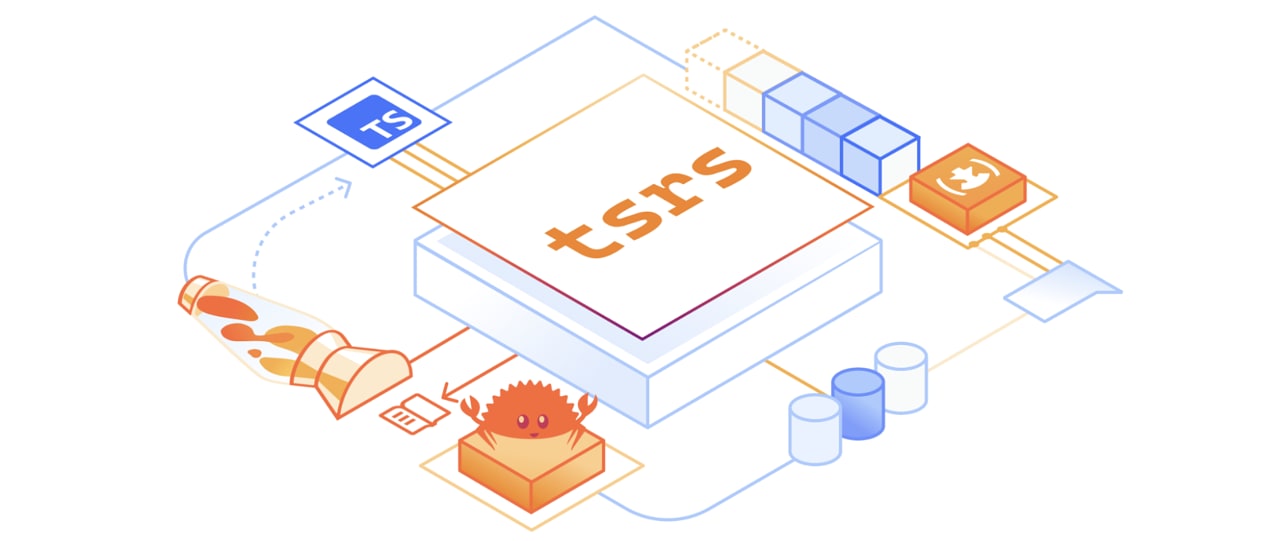
Perhaps the most striking development in the current ecosystem is the aggressive move to re-engineer core infrastructure using memory-safe, high-performance languages. A case study that has captured the attention of the engineering community is the recent TypeScript-to-Rust port led by Max Schwenk.
Schwenk’s project, which involved the strategic use of AI agents to accelerate the translation of complex codebases, serves as a blueprint for modern refactoring. The results were not merely marginal improvements; by porting core components from TypeScript to Rust, the project achieved a staggering reduction in type-checking duration—dropping from an 80-second build cycle to a lean seven seconds. This transition underscores a growing trend: as TypeScript applications grow in complexity, the overhead of static analysis becomes a bottleneck, forcing developers to look toward Rust’s compilation speed and memory efficiency.

Chronology of Key Industry Movements
The past month has been characterized by a series of high-profile releases and candid industry updates that reflect the ongoing evolution of the web.
- ViteConf 2026 (Mid-October): The conference served as a bellwether for the industry. Keynote speaker Evan You laid out a vision for "tooling in the agentic era," emphasizing that as AI takes over boilerplate code, human developers must focus on architecture and performance.
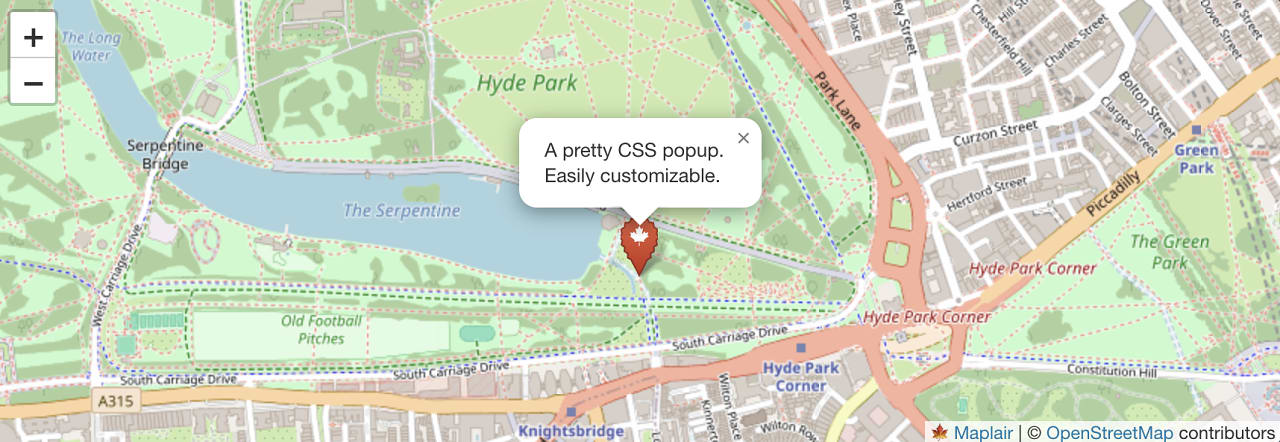
- The Leaflet Update: In a poignant moment for the open-source community, the creator of the popular mapping library, Leaflet, provided a rare update. Amidst the hardships of living in Ukraine, he outlined a roadmap for Leaflet 2.0, signaling that despite geopolitical volatility, critical infrastructure maintenance remains a priority for the open-source maintainer community.
- Performance Milestones: Companies are reporting significant infrastructure savings by migrating to updated libraries. Notably, the move to Zod 4 has allowed high-scale applications to reduce CPU usage by approximately 33%, processing over 100 million parses daily.
Supporting Data and Technical Deep Dives
Performance is no longer just a luxury; it is a competitive advantage. The data emerging from recent optimizations suggests that minor changes to foundational libraries can yield exponential gains.
Zod 4 and CPU Efficiency
The migration from Zod 3 to Zod 4.5 has emerged as a significant win for large-scale production environments. For teams handling massive JSON payloads, the shift resulted in a one-third reduction in total worker CPU utilization. This data point is critical for companies operating on serverless architectures, where CPU cycles equate directly to operational expenditure.
The "Pretty-Printer" Paradox
A fascinating, if somewhat alarming, discovery in the security space involves the behavior of "pretty-printers" and deobfuscators. Researchers at TrustSig have demonstrated that chaining semantic quirks in these tools can inadvertently transform a script’s underlying logic. In a striking example, a script designed to display a Tetris-like interface was transformed into a "Snake" game simply by running it through a standard prettifier. This serves as a cautionary tale for the security of supply chain tooling: automated code cleaners are not always semantically transparent.
Vite and the Oxc Parser
Vite’s continued dominance is supported by its integration with the Oxc parser. The shift toward faster, Rust-based parsing engines is becoming standard practice. During the 10-hour marathon of talks at ViteConf 2026, the community was introduced to the future of Vite DevTools and Vitest 5, reinforcing the platform’s commitment to maintaining sub-second development feedback loops.
Official Perspectives: The Future of Browser Capabilities
The browser remains the most complex, contested battlefield in software engineering. Two major developments have recently surfaced that promise to redefine how we build user interfaces.

Declarative Partial Updates
Chromium’s experimental "Declarative Partial Updates" proposal, discussed extensively by web architect Dave Rupert, challenges the status quo of web recursion. As developers look for ways to handle complex state updates without the heavy lifting of traditional frameworks, declarative partials offer a path toward native, high-performance DOM manipulation. The implication is clear: the browser is slowly reclaiming territory previously occupied by heavy client-side JavaScript frameworks.
WebAssembly and Ahead-of-Time (AOT) Compilation
The VMIL 2026 conference featured a deep dive into "NightMonkey," an ambitious project focused on compiling JavaScript to WebAssembly ahead of time. By treating JS as a target language for AOT compilation, engineers are effectively trying to close the performance gap between interpreted web scripts and native binary execution. If successful, this could fundamentally change how we deliver enterprise-grade applications to the browser.
Implications for the Ecosystem
The integration of these disparate advancements points to several broader implications for the future of web development.
1. The Era of the AI Agent
The success of Schwenk’s Rust port demonstrates that AI is no longer just for writing snippets; it is for architecting systemic change. As agents become more adept at refactoring and cross-language translation, the "migration barrier"—the fear of switching to a more performant language—is effectively being lowered.
2. The Rise of "Invisible" Webhooks
The ubiquity of webhooks in modern SaaS has necessitated a more robust infrastructure. Solutions like those provided by Svix are moving toward "set-it-and-forget-it" models, where signing, retries, and delivery logging are abstracted away. With providers like Resend now processing over 200 million webhooks annually, the industry is standardizing around highly reliable, third-party messaging backbones.
3. Security and Identity
As AI-driven bots like Meta’s "Muse" become more sophisticated, the line between human traffic and automated browsing is blurring. Detection technology, such as that developed by Fingerprint, is shifting from simple IP-based filtering to behavioral and fingerprint-based analysis. This is a vital evolution for businesses trying to preserve the integrity of their platforms against increasingly "human-like" automated agents.

4. Media and Delivery
The barrier to entry for high-quality video integration continues to fall. Services like Hyperserve are enabling developers to treat video as a simple API request, shifting the burden of transcoding and global CDN distribution from the product team to the infrastructure provider. This allows smaller teams to compete with legacy media giants by automating the entire lifecycle of video content.
Conclusion
We are currently witnessing a "flight to quality" in web development. The combination of Rust’s memory safety, the efficiency of Zod 4, and the structural promise of Declarative Partial Updates suggests that the next generation of web applications will be significantly faster and more reliable than those of the early 2020s.
However, this transition is not without risks. As we lean more heavily on AI to write and optimize our code, we must remain vigilant regarding the semantic integrity of our tools—lest our "cleaned up" code end up being an entirely different program than we intended. The path forward is one of high-performance engineering, supported by automated tooling, but anchored by the critical oversight of the human developer. As ViteConf 2026 underscored, the agentic era is here; the challenge is no longer how to build, but what we choose to build with these powerful new capabilities.