











In the fast-paced ecosystem of digital content, a first impression is often your only impression. When a reader engages with your work, they are making an instantaneous assessment of your expertise. In an era saturated with information, the difference between a fleeting click and a loyal subscriber is the depth of your due diligence. For creators, writers, and digital entrepreneurs, the ability to synthesize, verify, and present information is not merely a skill—it is the foundation of brand credibility.
This week, we dissect the anatomy of high-level research. From the strategic application of advanced search operators to the rigorous evaluation of source integrity, we explore how to cut through the noise and transform raw data into a narrative that commands authority.
The Strategic Importance of Research
Research is the "invisible labor" that separates professional content from amateur conjecture. While the volume of available data can feel overwhelming, the goal is not to consume everything, but to curate the right things. By adopting a systematic approach—defining clear objectives, gathering targeted resources, and organizing insights—creators can build a robust framework that solves specific audience pain points.

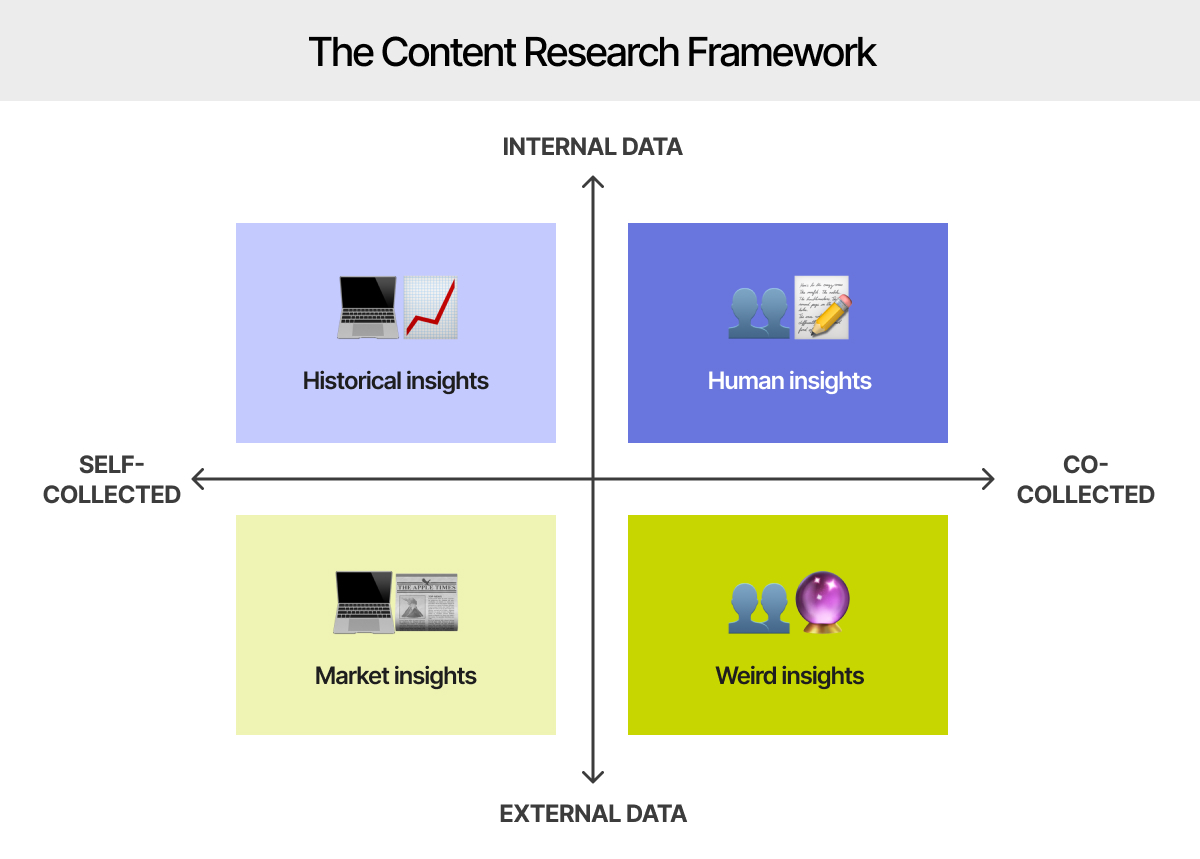
The process begins with the "Research Framework," a discipline that prevents information paralysis. By narrowing your focus before you start, you ensure that your content remains data-driven rather than opinion-heavy. This creates a feedback loop of trust: when your audience knows they can rely on your work to be accurate, they are significantly more likely to return.
Chronology of a Search: From Basic Query to Precision Extraction
For many, the act of searching online has devolved into a cycle of vague queries and repetitive, unhelpful results. However, the true power of the web lies in its "hidden" syntax. Search operators are the command-line interface of the information age, allowing power users to bypass the clutter and interact directly with the structure of the web.
1. Indexing and Site-Specific Discovery
Using the site: operator is the most effective way to limit your scope. If you are auditing your own platform or researching a specific competitor, site:domain.com ensures that every result is relevant to the target entity. This is vital for uncovering hidden indexing issues or ensuring your own content is correctly categorized by search engines.

2. Competitive Intelligence
The related: operator allows you to map out your competitive landscape. By entering related:yourcompetitor.com, you gain immediate insight into how search algorithms perceive your niche. This provides a bird’s-eye view of who else is operating in your space, which is essential for identifying potential gaps in the market that your content can fill.
3. File-Level Precision
Often, the most valuable information is hidden in PDFs, slide decks, or spreadsheets. The filetype: operator (e.g., filetype:pdf) allows you to target these specific assets. This is particularly useful for finding white papers or technical reports that might be buried beneath standard blog posts. Conversely, it serves as a security reminder: if you have sensitive data, ensure it is protected by noindex tags so it doesn’t appear in public search results.
4. Expert Outreach and Contact Discovery
Skimming hundreds of social media profiles is an inefficient use of time. By combining site:linkedin.com or site:x.com with specific search terms like "email," you can rapidly locate contact information for experts in your field. This precision is the difference between a productive afternoon and a day lost to aimless scrolling.
5. Audience Insight Extraction
Platforms like Quora are gold mines for user sentiment, but navigating them can be messy. By using site:quora.com paired with inurl: commands for specific topics, you can extract the exact questions your audience is asking. This allows you to tailor your content strategy to solve real-world problems rather than guessing what your readers need.
6. Temporal Analysis
Finally, the before: and after: operators are indispensable for historical research. By pinning your search to a specific timeframe, you can track the evolution of a trend or verify the history of a competitor’s activity. This is crucial for maintaining the "currency" of your content.
Supporting Data: The CRAAP Test for Credibility
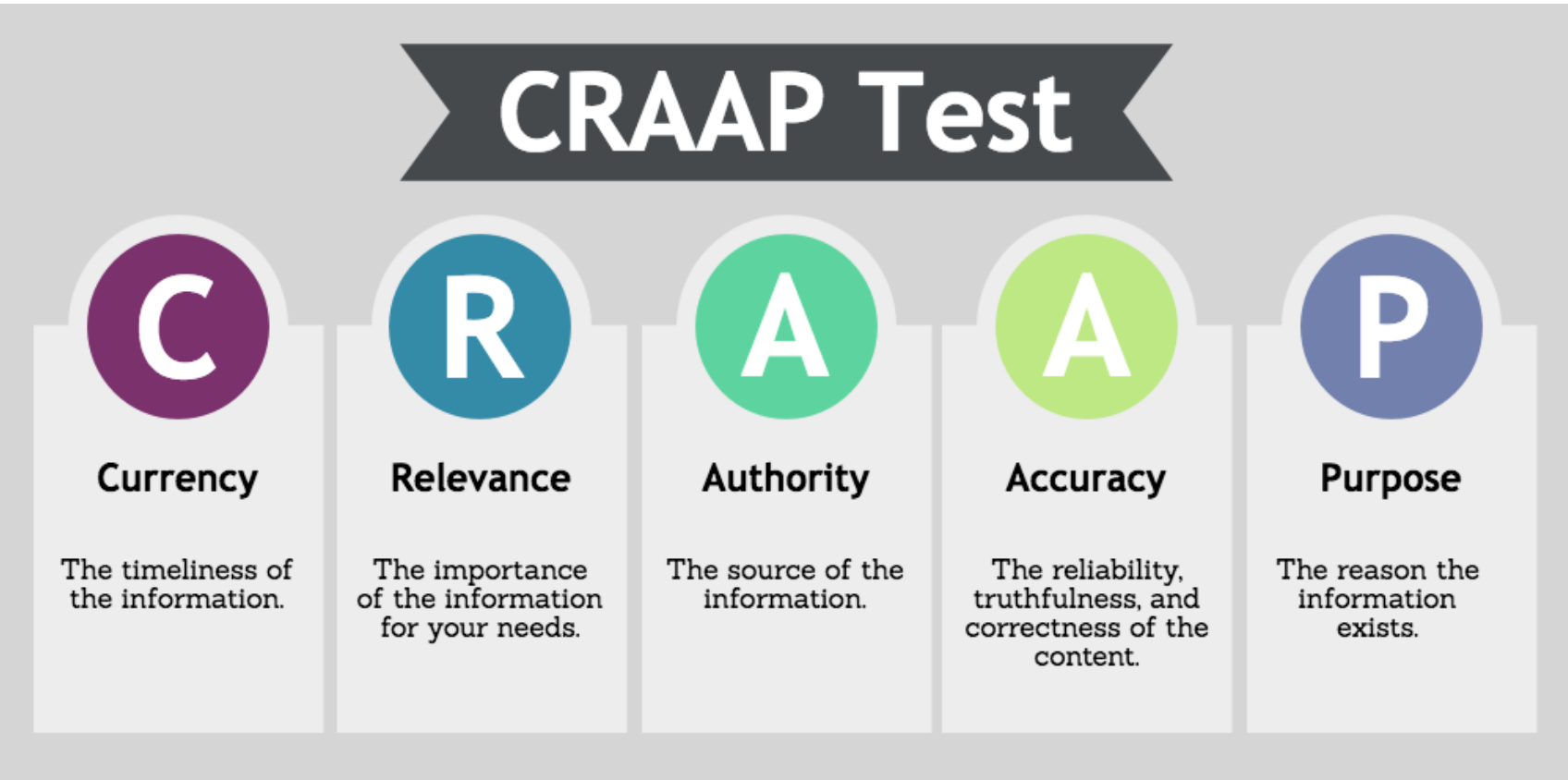
Even with the best tools, data is only as good as its source. As AI-generated content and misinformation continue to rise, the responsibility for verification rests entirely on the shoulders of the creator. The gold standard for source evaluation remains the CRAAP Test—a mnemonic device developed to help writers navigate the swamp of digital noise.

Currency: Is the Information Still Relevant?
In fields like technology, medicine, or finance, data can become obsolete within months. Always check the publication date. If the information is outdated, you risk alienating an audience that expects current, actionable insights.
Relevance: Does it Serve Your Purpose?
Information might be true but irrelevant to your specific thesis. Ask yourself: "Does this source actually address the problem my audience is facing, or is it merely noise?"
Authority: Who is the Creator?
Credentials matter. A blog post from an anonymous source is not equivalent to a peer-reviewed study or a white paper from an established industry leader. Check the professional background, affiliations, and citation history of the author. If they are a known expert, they should have a digital footprint that reflects their expertise.

Accuracy: Is the Data Verifiable?
Reliable sources provide evidence. They cite their own sources, link to primary data, and are transparent about their methodology. Be wary of content that relies on hyperbolic language or sensationalist claims without offering a trail of data to back it up.
Purpose: What is the Intent?
Every piece of content has an agenda. Is the source trying to inform, persuade, entertain, or sell? Understanding the motive behind a piece of content is critical for maintaining objectivity. Bias is not inherently "bad," but it must be understood to ensure that the content you create aligns with your own brand values.
Official Perspectives: The Role of Transparency
Industry experts emphasize that transparency is the ultimate currency of the modern creator. When you make a mistake—and you will—the mark of a professional is how you handle the correction. Retractions are not signs of failure; they are evidence of a commitment to the truth.

Organizations like Purdue Global suggest that creators should prioritize peer-reviewed sources and institutional publications. When building a case, rely on multiple, diverse sources to avoid "confirmation bias"—the psychological tendency to only look for information that supports what you already believe. By incorporating opposing viewpoints, you actually strengthen your own argument and build deeper trust with your audience.
Implications for Future Content Strategy
The shift toward high-quality, research-backed content is not merely a temporary trend; it is a structural change in how audiences consume media. As search engines prioritize "Expertise, Experience, Authoritativeness, and Trustworthiness" (E-E-A-T), the creators who invest in rigorous research will naturally rise to the top of the search rankings.
Building a Long-Term Content Engine
- Develop a Library: Create a personal repository of verified sources and "evergreen" data points that you can return to repeatedly.
- Audit Your Workflow: Are you spending too much time on low-value research? Implement the search operators mentioned above to shave hours off your content production time.
- Community Engagement: Leverage your community to crowdsource expertise. If you are writing about a niche topic, invite experts to contribute or review your work.
- Iterative Improvement: Treat every article as a living document. Update old posts with new data as it becomes available. This keeps your content current and signals to search engines that your site is active and reliable.
Conclusion
The art of great research is, at its core, an act of empathy. It is about respecting your reader’s time by ensuring that every word you publish is backed by verifiable, thoughtful, and current information. In a world where anyone can publish, the true competitive advantage belongs to the person who does the hard work of verifying the facts.
By mastering your search tools, applying the CRAAP test, and maintaining a high standard of intellectual honesty, you do more than just build a newsletter or a blog—you build an authority. Whether you are solving complex technical problems or providing deep-dive analysis, the effort you put into your research will always manifest in the quality of your output.
As we look toward the future of digital media, remember that while tools and algorithms may change, the value of a trusted voice remains constant. Keep digging, stay curious, and always prioritize the truth. Your audience is waiting.



