







At Microsoft Ignite 2026, the narrative surrounding Artificial Intelligence has undergone a profound shift. If 2025 was the year of "choosing the model," 2026 is officially the year of the "Agentic Enterprise." Microsoft, through its Azure cloud division, has unveiled a comprehensive suite of innovations designed to move AI from the experimentation phase into the operational bedrock of the global economy.
The core message from Redmond is clear: the true competitive advantage in the age of AI is no longer the model itself—which is now a commodity—but the unique "IQ" of an organization. This "IQ" consists of proprietary data, institutional knowledge, and the intricate business processes that define a company’s success. Microsoft’s new strategy focuses on giving enterprises the infrastructure, management tools, and governance frameworks to weave these agents into their existing digital fabric securely.
Main Facts: The Pillars of the New Azure Ecosystem
Microsoft is positioning Azure not just as a hosting platform, but as a holistic system for "Frontier Transformation." The announcements at Ignite centered on three critical pillars:
- AI Infrastructure at Scale: Microsoft is decoupling the control of AI workloads from the operational burden. Through new compute, storage, and networking capabilities, Azure now allows enterprises to maintain full control over their infrastructure while delegating the complexities of security, scaling, and maintenance to the platform.
- Agentic Modernization: Through the introduction of Azure Catalyst, Microsoft is standardizing how organizations modernize their legacy estates. This toolset bridges the gap between old-world business logic and new-world agentic workflows, using AI to audit, plan, and execute code migration.
- Microsoft IQ: This represents the most significant paradigm shift: a unified context management platform. Microsoft IQ acts as a centralized brain for agents, allowing them to access governed, proprietary organizational data across 350+ connectors, including deep integrations with SAP and Oracle.
Chronology of the Shift: From Models to Agents
The transformation of the Azure platform did not happen overnight. To understand the significance of the 2026 announcements, one must look at the recent trajectory of Microsoft’s cloud division:
- Mid-2025 (Microsoft Build): CEO Satya Nadella announced an unprecedented expansion of datacenter capacity—adding more in 18 months than in the entire first decade of Azure’s existence. This massive physical expansion laid the groundwork for the global AI scaling required for the agentic era.
- Late 2025 – Early 2026: The market witnessed a "bottleneck of operations." While companies could easily deploy models, they struggled to make those models reliable, secure, or aware of internal corporate workflows.
- November 2026 (Ignite): The unveiling of the "Integrated AI Stack." Microsoft shifted its focus from providing raw GPU access to providing "Agentic Ops"—a lifecycle management approach where AI agents do not just answer questions but actively monitor, diagnose, and repair cloud infrastructure and database health.
Supporting Data: Infrastructure and Performance
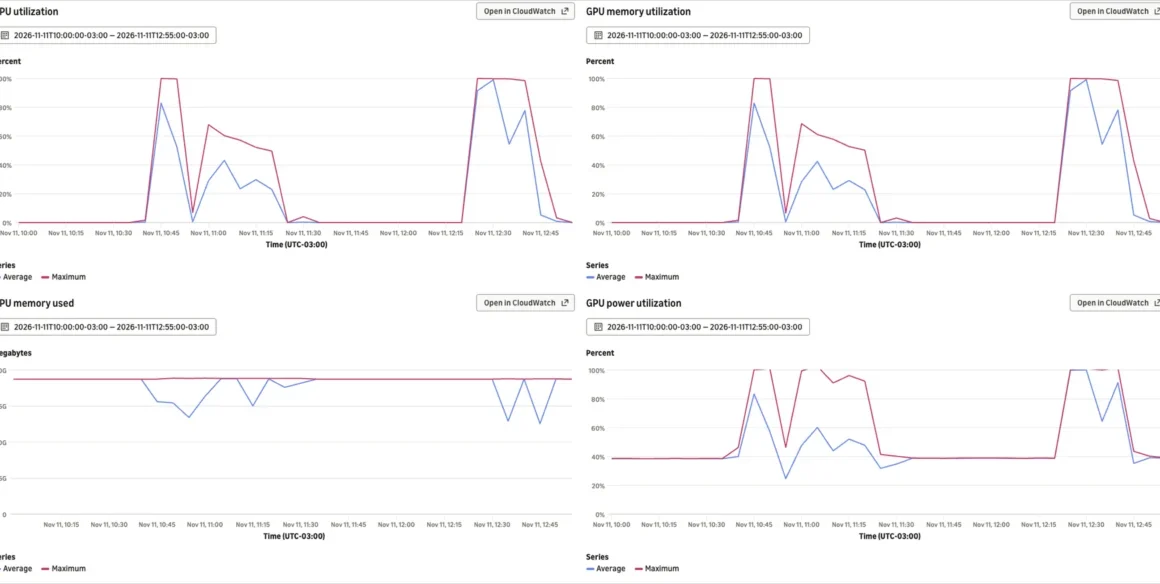
The technical backbone of this transformation relies on Microsoft’s custom silicon strategy. By vertically integrating its proprietary chips (Maia and Cobalt) with industry-standard hardware from NVIDIA and AMD, Microsoft is optimizing for cost-to-performance ratios that traditional cloud providers struggle to match.
- Azure Cobalt 200 VMs: Now generally available, these virtual machines are specifically engineered for agentic AI workloads. They deliver up to 50% better CPU performance than the previous Cobalt 100 generation.
- Scaling Metrics: Microsoft reports that nearly 60,000 customers have already begun integrating elements of the Microsoft IQ platform, proving that the demand for "context-aware" agents has moved past the early adopter phase.
- Database Evolution: With the general availability of Azure HorizonDB and the introduction of Fabric HorizonDB, Microsoft is providing a PostgreSQL-native foundation that handles transactions, vector search, and AI reasoning simultaneously, reducing the need for complex data movement.
Official Perspectives: The Vision for "Agentic Operations"
During the keynote sessions, Microsoft executives emphasized that "Agentic Operations" is the next frontier of SRE (Site Reliability Engineering).
"We are moving from a model where human operators manually intervene in every system event to a model where AI agents, guided by human intent, continuously observe, reason, and act," stated a senior Azure architect. By using tools like the Azure SRE Agent, organizations can now delegate routine maintenance to AI while keeping human oversight as the ultimate circuit breaker.
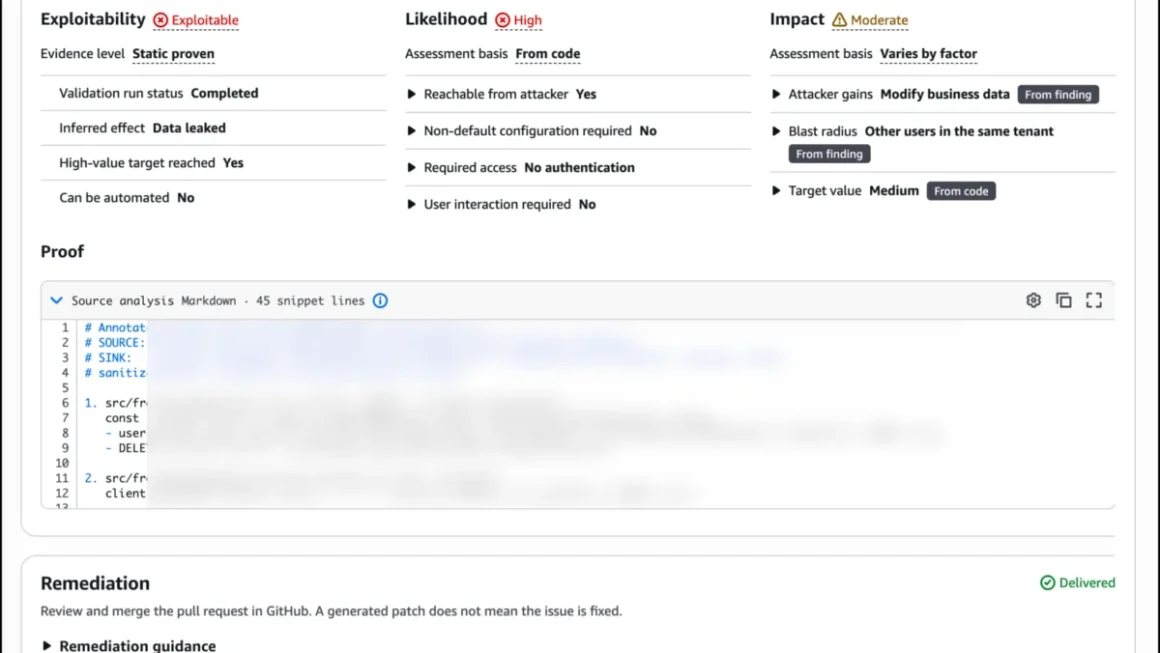
The company is also addressing the "trust" factor. By integrating Microsoft Entra Agent ID and Agent 365, Microsoft is providing a centralized governance layer. This ensures that when an agent acts on behalf of an employee—whether in a supply chain, a financial reconciliation, or a code deployment—it does so within the strict boundaries of existing enterprise permissions.
Implications: The New Competitive Landscape
The ripple effects of these announcements are likely to be felt across several sectors:
1. The Death of the "Siloed Agent"
Until now, most AI agents were isolated, disconnected from the core systems of record like SAP or Oracle. With Microsoft IQ and its new business plugins, these agents can now interact with the deep operational data of the enterprise. For example, a supply chain agent can now cross-reference a delay in shipping (found in an ERP system) with contract terms (found in a document management system) to suggest a remedy. This is no longer "chatting with data"; it is "automating business processes."
2. The Standardization of Modernization
Azure Catalyst is poised to change the economics of IT services. By automating the discovery and remediation of legacy code, Microsoft is lowering the barrier to entry for digital transformation. The integration with GitHub Copilot means that "modernization" is no longer a multi-year consulting project but an iterative, AI-assisted development process.
3. Openness and Interoperability
Perhaps the most surprising aspect of Microsoft’s 2026 strategy is the insistence on portability. Microsoft is pushing the Model Context Protocol (MCP), ensuring that the "IQ" built on Azure isn’t trapped in a walled garden. Enterprises can build their business logic once and deploy it across Microsoft Copilot, GitHub Copilot, or even external assistants like Claude or ChatGPT, provided the governance remains anchored in Azure.
4. The Shift in Developer Roles
As Fabric apps and agentic creation tools mature, the role of the developer is evolving. With the new "agentic app creation experience" in Power BI Desktop, business analysts can now build functional, interactive applications without needing deep knowledge of backend infrastructure. This democratization of app development, supported by the robust, governed backend of Microsoft Fabric, allows non-technical staff to bridge the gap between business ideas and enterprise-grade software.
Conclusion: The Future is Contextual
As Ignite 2026 concludes, the overarching takeaway is that the "AI Gold Rush" of previous years has matured into a period of infrastructure building and operational integration. Microsoft is betting that the winning enterprises will be those that effectively capture their own "IQ"—the synthesis of their unique data, workflows, and expertise—and entrust it to a governed, scalable, and agent-ready cloud foundation.
For IT leaders, the mandate is clear: the time for experimenting with standalone models is over. The next phase is about embedding those models into the fabric of the business, ensuring that the infrastructure is not just fast, but intelligent, secure, and uniquely reflective of the company it serves. With the comprehensive updates to Azure, Microsoft is providing the tools to make that vision a reality, ensuring that the agents of tomorrow are not just assistants, but active, reliable members of the workforce.