










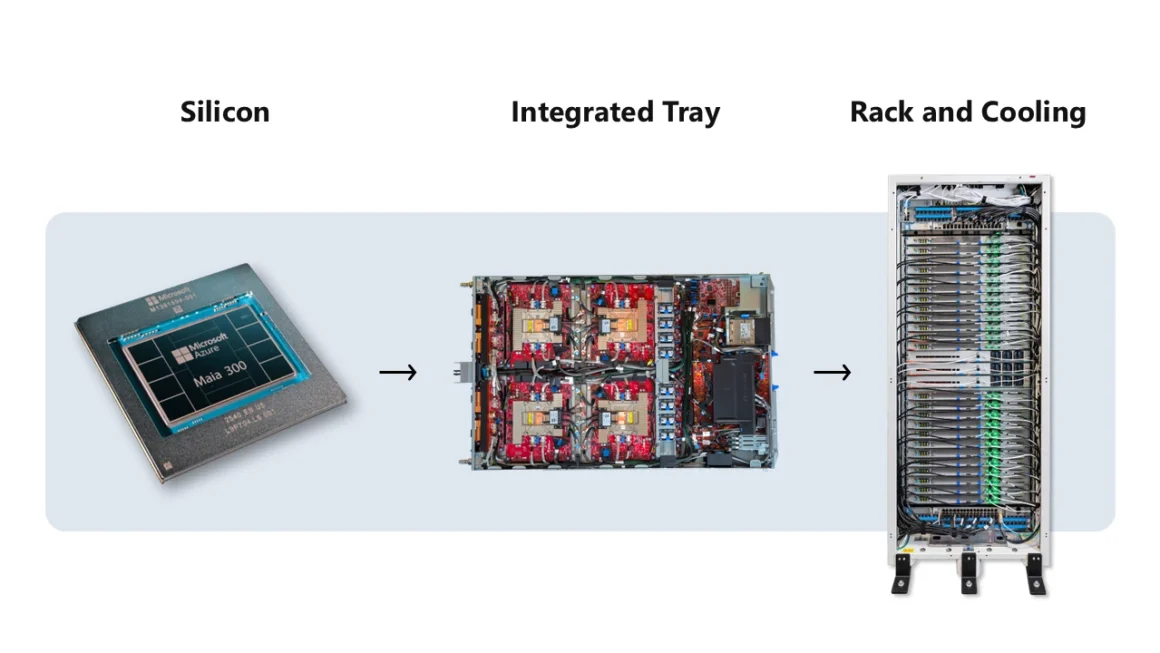
In the rapidly evolving landscape of artificial intelligence, the transition from simple chatbots to sophisticated, autonomous "agentic" systems has placed unprecedented strain on global data center infrastructure. As LLMs become more capable, their computational profiles have shifted toward long-context decoding, multi-step reasoning, and complex tool usage. Microsoft has responded to this shift with the introduction […]
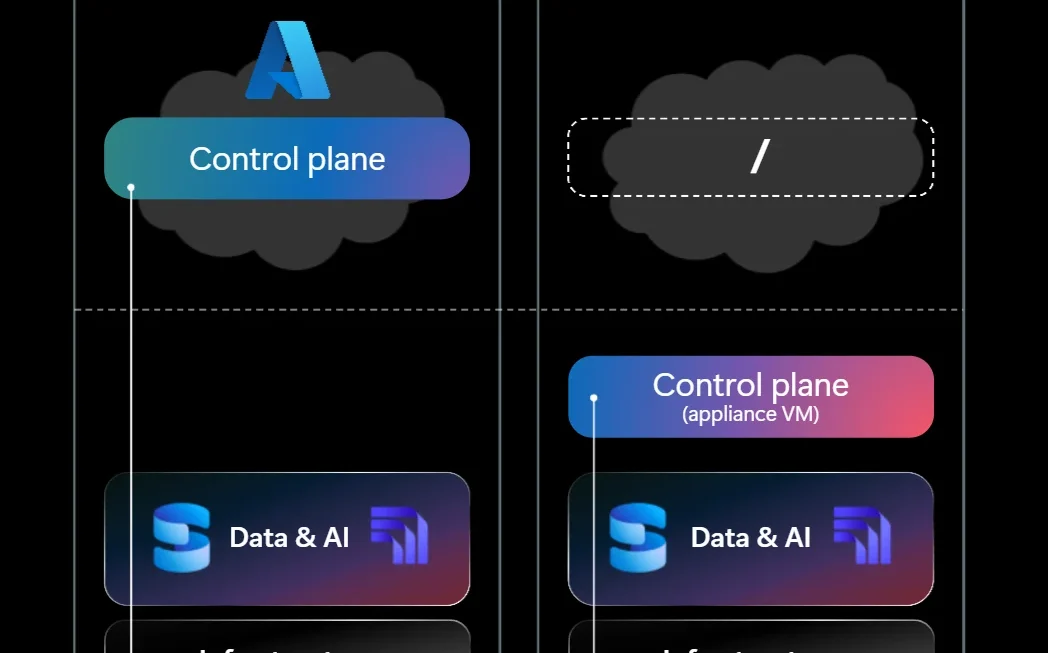
Bridging the Gap: Microsoft Empowers Edge Computing with SQL Server on Azure Local
In the modern enterprise landscape, the mandate for "cloud-first" has evolved into a more nuanced reality: "cloud-consistent." While the centralized public cloud continues to power global digital transformation, a significant segment of critical business operations remains tethered to specific physical locations—whether due to the laws of physics, the requirements of data sovereignty, or the imperative […]

Beyond the "Three-Zone" Myth: Rethinking Resilience in Azure Architecture
In the high-stakes environment of cloud architecture, a pervasive "rule of thumb" has taken hold among engineers: when in doubt, deploy across three Availability Zones (AZs). It is a strategy born of caution, but one that increasingly acts as a barrier to optimal performance, cost-efficiency, and operational clarity. As Microsoft Azure continues to evolve its […]
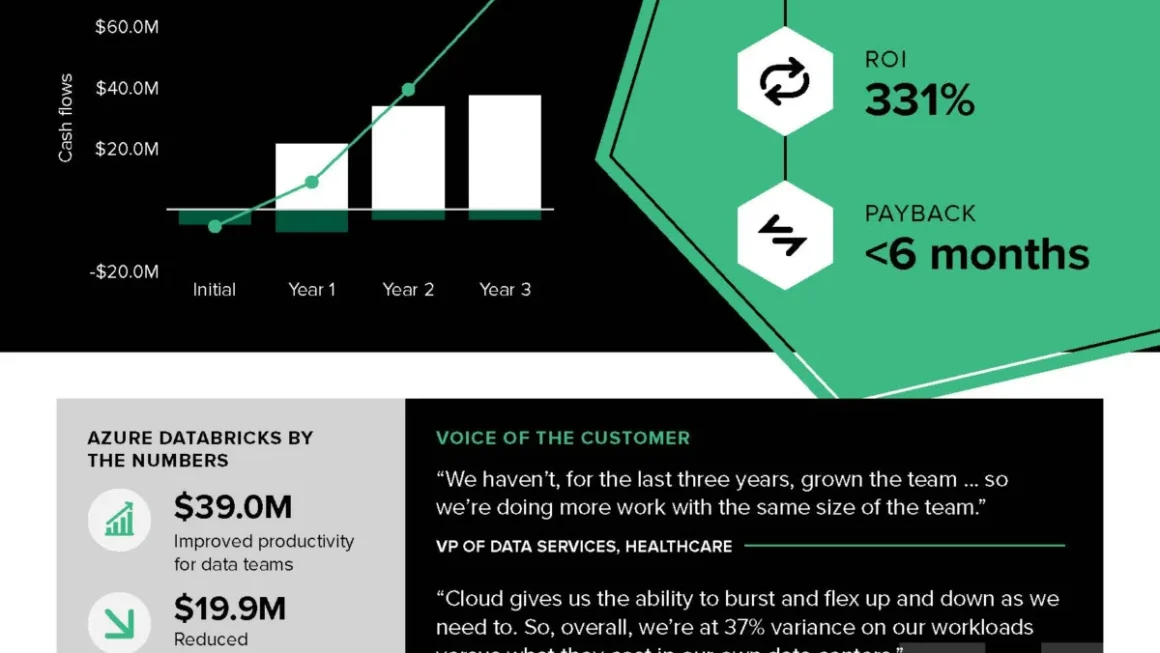
The Multi-Million Dollar Advantage: Why Enterprises Are Consolidating Data Estates on Azure Databricks
In the rapidly evolving landscape of data and artificial intelligence, the divide between "promising technology" and "proven business value" is widening. Organizations are increasingly wary of complex, fragmented data architectures that bleed budget and stifle innovation. A new study, however, offers a compelling empirical case for a unified approach: the co-engineered, first-party integration of Microsoft […]