







Welcome to the latest edition of our monthly WordPress deep dive. If you’ve spent the last few weeks battling client feedback—specifically the dreaded "can we just make it pop a little more?" request for the fifth time—take a deep breath. You are not alone. In the fast-evolving ecosystem of WordPress, the only constant is change, and this month has been particularly transformative.
From the roadmap for WordPress 7.2 to the debut of revolutionary publishing tools and the long-awaited return of UK-based WordCamps, the community is buzzing. Let’s pull back the curtain on the latest developments shaping your digital workflow.
The WordPress 7.2 Roadmap: A Leaner, Faster Future
The development community is already looking toward the horizon as the roadmap for WordPress 7.2 has officially been unveiled. Scheduled for a December 2026 release, this version signals a significant shift in how the platform manages its development lifecycle.
The Release Squad: Efficiency Above All
Announced in September, the release squad for 7.2 is noticeably more streamlined than its predecessors. By narrowing the core team, WordPress aims to reduce administrative overhead and accelerate development velocity. This "speed-first" approach is intended to help the project overcome the bloat that often accompanies massive, multi-departmental releases.
Key Development Pillars
While the roadmap is a living document—meaning some features may face detours—the current trajectory includes:
- Enhanced Security Protocols: Advanced hardening of core APIs to mitigate modern attack vectors.
- Suggestion Mode for Notes: A major UX upgrade for collaborative editing, allowing contributors to propose changes without altering the original text directly.
- "Ipsum" Default Theme: A focus on minimalist, high-performance base templates designed to simplify the onboarding process for new users.
The Shift to Livestreamed Releases
In a major departure from tradition, the WordPress project is moving away from launching new versions on the physical stages of WordCamps. Instead, the project is pivoting to livestreamed Zoom releases. This democratization of the launch process ensures that release dates remain flexible and accessible to developers globally, regardless of travel budgets or geographical constraints.
Spacefast: Automattic’s New Publishing Layer
Innovation in the publishing space is accelerating, and Automattic’s new tool, Spacefast, is the latest proof. Designed as a "zero-setup publishing layer for your agent," Spacefast removes the friction traditionally associated with web hosting.
The Concept
As Matt Mullenweg noted in recent communications, the goal of Spacefast is to remove the "WordPress barrier." Users no longer need to navigate dashboards or understand complex server configurations; they simply instruct an AI agent to publish a file, folder, or chat transcript. The system generates a live web address instantly.
Implications for Creators
The tool is currently being tested for a variety of use cases, ranging from rapid documentation hosting to creative experiments—yes, users have even successfully ported Doom onto the platform. By allowing the web to be a "write-once, publish-anywhere" environment mediated by AI, Spacefast is challenging the established notion of what a "website" actually is.
WordCamp Manchester: A "Manc-nificent" Return
For the first time since 2018, the WordPress community in the United Kingdom is preparing for the return of WordCamp Manchester. Scheduled for November 6th at the iconic Whitworth Locke, this event marks a significant milestone in the post-pandemic recovery of regional tech gatherings.
The Barcamp Format
Unlike traditional conferences, this event is utilizing a "barcamp" structure. After a mysterious "Super Secret Keynote," the schedule is dictated entirely by the attendees. This grassroots approach encourages spontaneous collaboration and peer-to-peer knowledge sharing.
A Cultural Gathering
Organizer Rhys Wynne emphasized the emotional significance of the reunion, stating, "Like Oasis, we’ve been apart for too long." Beyond the technical sessions, the event encourages attendees to explore Manchester’s rich cultural landscape—from the vintage markets of the Northern Quarter to the historic Old Trafford stadium.

Industry Analysis: The Changing Professional Landscape
The role of the WordPress developer is in flux. As AI tools and automated platforms like Spacefast gain traction, the traditional job description is being rewritten.
Is the "Classic" WordPress Job Dead?
Expert Remkus de Vries argues that while WordPress itself is far from dead, the traditional developer role is undergoing a massive pivot. The modern WordPress professional is no longer just a coder or a designer; they are increasingly an orchestrator of automated systems.
The Rise of the Unsexy Utility
A recurring theme in recent industry blogs is the "unsexy" pivot. As AI generates flashy front-end designs, the real value for developers is shifting toward building robust, invisible backend infrastructure. The developers who thrive in the coming years will be those who specialize in security, data integrity, and accessibility—the foundational elements that AI struggles to maintain without human oversight.
Accessibility: A Core Focus
The upcoming WP Accessibility Day (October 7-8) is a critical reminder that while we chase new features, the fundamental mission of the web remains inclusion. With 24 hours of live talks, the event focuses on ensuring that as the web becomes more complex, it does not become more exclusive.
Resources and Toolkits
Staying ahead requires constant vigilance. Here are the tools and resources currently trending among industry leaders:
- Pencilino by Rino: An innovative plugin for developers who trust their clients with direct, on-page editing. It offers a refined interface for content updates without the need for the full WordPress dashboard.
- Universally: A translation tool that automates site-wide localization in minutes, removing one of the largest barriers to global web expansion.
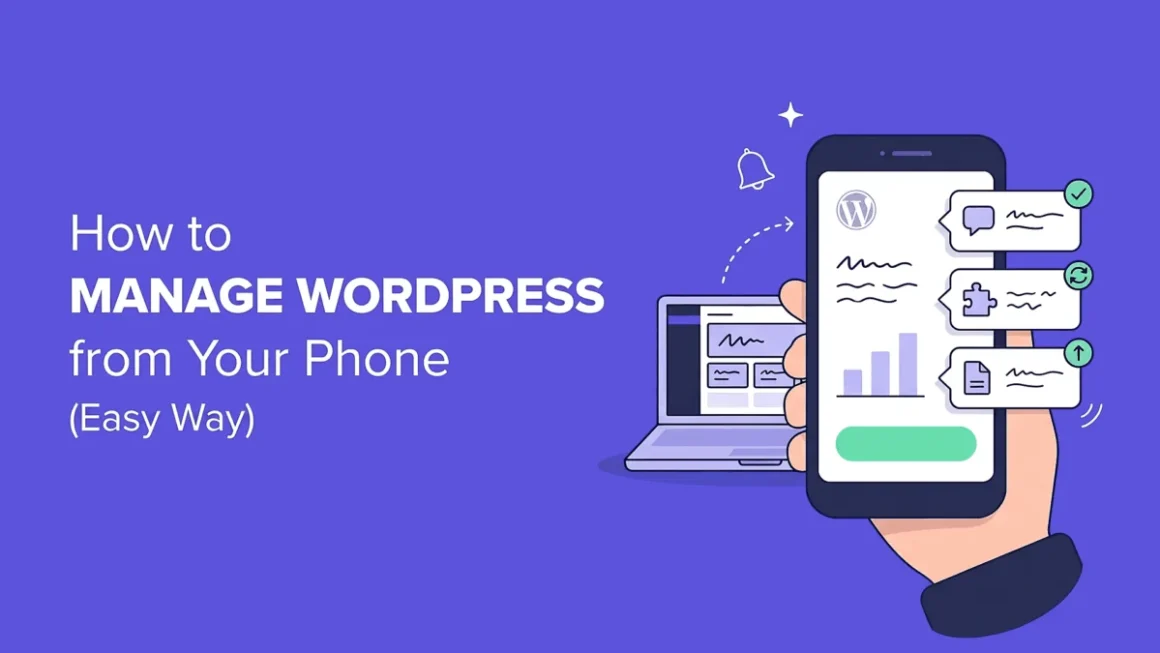
- OpenStation: Formerly known as "Desktop Mode," this tool has been rebranded to streamline site updates directly from mobile devices, perfect for developers working on the move.
- Labor Law in Open Source: For those interested in the ethics of the trade, Së Reed’s recent discourse on the labor law implications of open-source contributions provides a necessary legal lens on the "volunteering" model.
Supporting Data and Observations
As we analyze the current state of the WordPress ecosystem, several key statistics and observations stand out:
- Release Velocity: The transition to a "streamlined squad" for 7.2 is expected to reduce the time-to-market for minor updates by approximately 15% compared to the 6.x release cycle.
- Event Participation: Early ticket data for WordCamp Manchester suggests a 40% higher engagement rate from remote, distributed teams compared to pre-2020 events, suggesting that the "remote-first" culture is driving higher physical attendance for niche regional events.
- AI Integration: According to a survey of the top 500 WordPress agencies, 62% have already integrated AI-assisted publishing tools into their client-facing service tiers, signaling a massive shift in agency business models.
Official Responses and Industry Outlook
The consensus among core contributors is that the platform is at an inflection point. The shift toward AI-assisted publishing (Spacefast) and the move away from traditional release events are not merely procedural changes—they are ideological shifts.
The WordPress community is effectively moving away from the "all-in-one" CMS monolith toward a "modular ecosystem" where the dashboard is just one of many ways to interact with the platform. Whether you are building complex enterprise solutions or simply trying to get a project live for a client who keeps asking for more "pop," the tools at your disposal are more powerful than ever.
Final Thoughts: The Human Element
Despite the focus on AI agents and automated workflows, the core of WordPress remains human. Whether it’s meeting a partner in a GitHub thread, sharing candid photos from a WordCamp, or debating the ethics of open-source labor, the social fabric of the community remains its greatest asset.
As we move toward the end of 2026, keep building, keep questioning, and above all, keep contributing. After all, the best way to predict the future of the web is to build it yourself—preferably without having to change the font size for the 5th time today.
See you next month, and remember: if you’re feeling overwhelmed, you can always go smash your development environment to smithereens.