







By Josh Gallant
Updated on August 1, 2025 • 12 min read
For decades, the standard playbook for digital marketing campaigns followed a predictable, high-stakes trajectory: months of brainstorming, intense design overhauls, a massive launch day, and a collective sigh of relief. Once the campaign was live, marketing teams would evaluate the results once, celebrate a victory or mourn a flop, and immediately pivot to building the next big thing.
That traditional "one-and-done" approach to marketing optimization is rapidly becoming obsolete.
In today’s fast-paced digital landscape, consumer behavior shifts daily, marketing budgets face intense scrutiny, and attention spans are shorter than ever. Enter iterative testing—a continuous, compounding process where each experiment builds directly upon the insights of the last. Rather than treating experimentation as an occasional audit, iterative testing treats marketing as a living system, relying on small, evidence-based improvements to adapt to user needs, cut wasted ad spend, and drive predictable conversions faster than ever before.
Main Facts: The Anatomy of Iterative Testing
At its core, iterative testing is the marketing equivalent of agile product development. While product engineering teams have utilized iterative sprints for decades, marketers are now applying the same principles to continuous campaign refinement, dynamic messaging, and user experience (UX) optimization.
Instead of swinging for the fences with massive, unproven website redesigns—which statistically lead to more strikeouts than home runs—marketers using an iterative approach focus on consistent, data-driven base hits. These small, incremental changes accumulate over time, delivering higher ROI, better user satisfaction, and stabilized growth.
The framework relies on a repeating cycle:

- Formulating a focused hypothesis based on observational data.
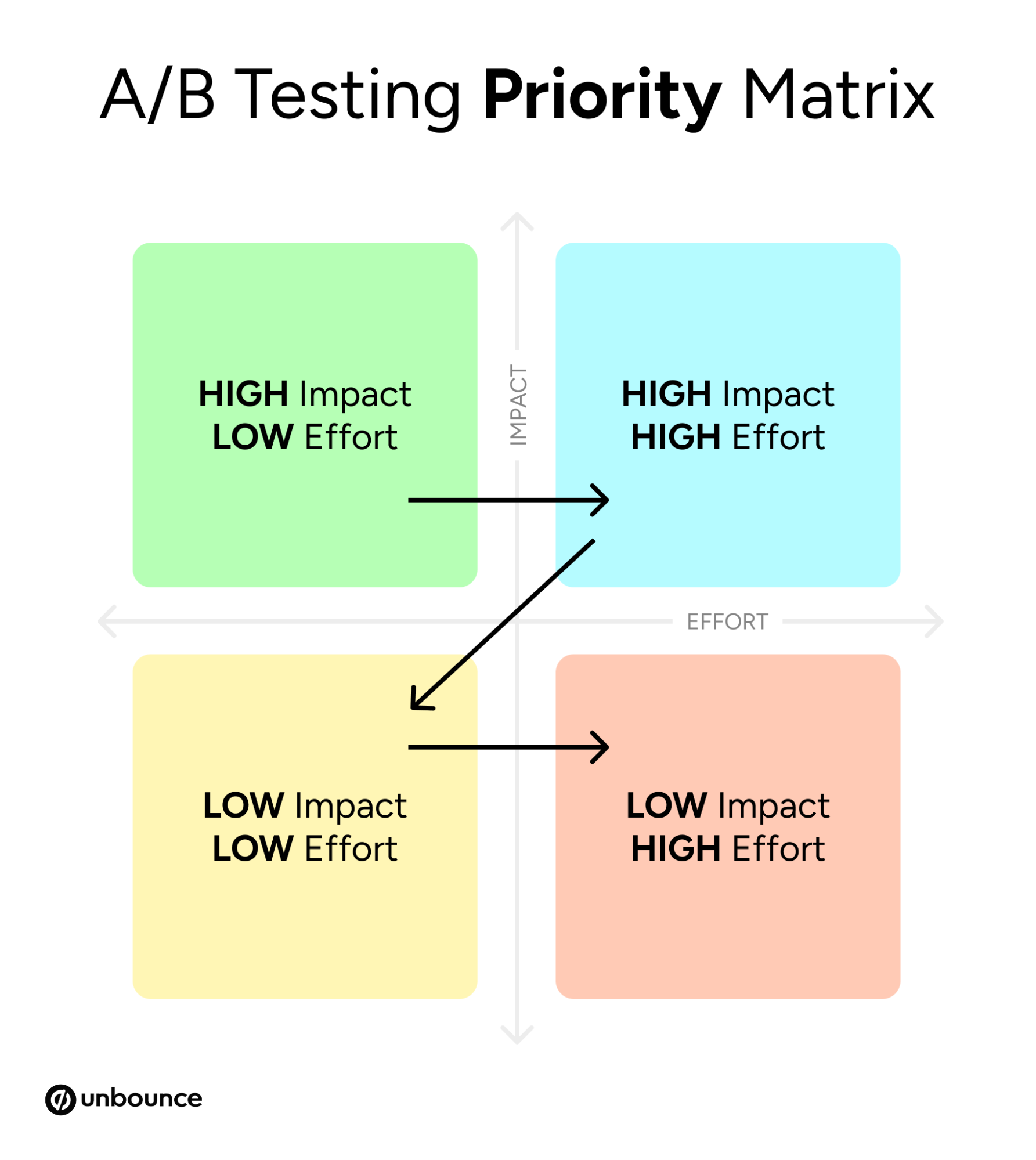
- Prioritizing tests using an impact-versus-effort matrix.
- Building minimal, testable variations without the need for heavy development resources.
- Launching and collecting data until statistical significance is achieved.
- Analyzing and extracting actionable insights that go beyond surface-level metrics.
- Iterating and scaling successful wins into broader marketing channels.
Chronology: From Static Launches to Agile Experimentation
To understand why iterative testing has become the gold standard for conversion rate optimization (CRO), it helps to look at how marketing experimentation has evolved over time.
Phase 1: The Era of Guesswork (Pre-2010s)
Historically, marketing relied heavily on creative intuition, focus groups, and executive preference. A team would design a landing page based on what they hoped users wanted, launch it, and leave it unchanged for months or even years. If conversions dipped, guessing the culprit required gut feelings rather than hard evidence.
Phase 2: The A/B Testing Boom (2010s–Early 2020s)
The rise of accessible A/B testing platforms allowed marketers to scientifically compare two versions of a webpage. However, testing remained largely episodic. Teams ran isolated tests—such as changing a button color from red to green—declared a winner, and went back to static publishing until the next major campaign overhaul.
Phase 3: The Continuous Iteration Model (Present Day)
Today, marketing windows are too compressed for quarterly or annual testing cycles. Driven by tools that accelerate feedback loops—such as Unbounce’s Smart Traffic, which begins optimizing traffic patterns after just 50 visits—modern marketers are adopting real-time iterative frameworks. Experiments now run continuously, turning every campaign into an active learning laboratory.
Supporting Data: What the Metrics Tell Us
Data-backed benchmarks reveal why incremental, iterative changes consistently outperform major overhauls. According to the Unbounce Conversion Benchmark Report, specific micro-adjustments in design and copywriting yield profound differences in consumer behavior:
- Simplicity Wins: Pages written at a 5th-to-7th grade reading level convert at an average rate of 11.1%—more than double the conversion rate of professional, highly complex writing. Furthermore, landing pages featuring high word complexity exhibit a -24.3% negative correlation with conversion rates.
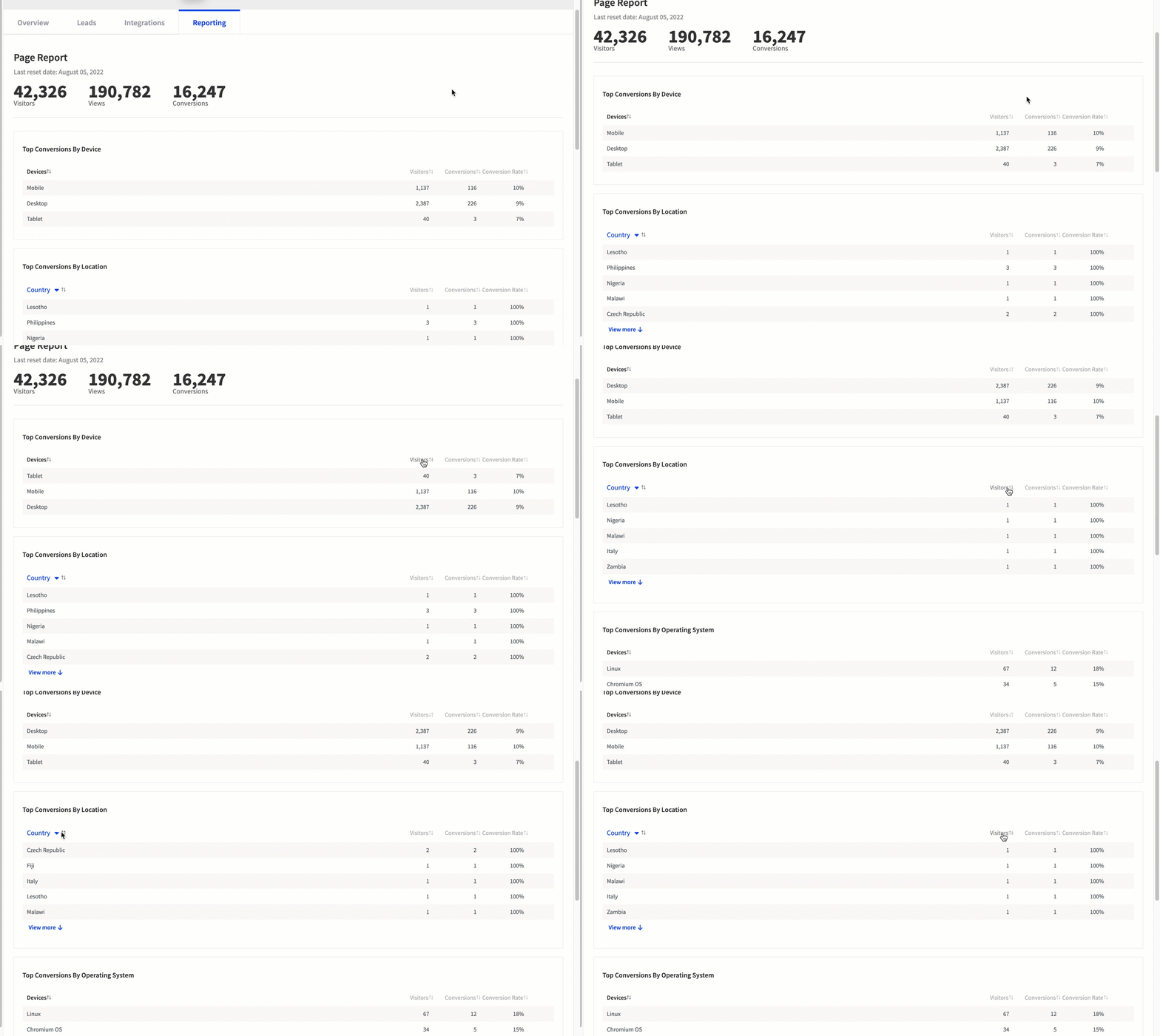
- The Mobile-Desktop Divide: While 83% of landing page visits now occur on mobile devices, desktop traffic continues to convert at an average rate that is 8% higher. This nuanced gap highlights the danger of blanket optimization decisions, proving that iterative device-specific testing is essential.
- Rapid Traffic Utilization: Traditional A/B tests often stall out on low-traffic campaigns because they require massive sample sizes to reach significance. Modern iterative testing platforms utilize predictive algorithms to begin optimizing after just dozens of visits, democratizing experimentation for businesses of all sizes.
Official Perspectives and Industry Insights
Leading optimization experts and analytics professionals increasingly view iterative testing not as a tactic, but as a cultural shift within organizations.
- Bridging Departmental Silos: Industry leaders emphasize that the best hypotheses rarely come solely from the marketing department. Customer support teams, sales representatives, and product engineers hold a goldmine of qualitative insights regarding user friction points. Effective iterative programs integrate feedback from across the entire organization.
- The Death of Vanity Metrics: Experts warn against the trap of tracking every possible data point. Successful iterative programs isolate core metrics—such as conversion rates, cost-per-acquisition (CPA), and click-through rates (CTR)—while treating secondary metrics as purely supportive context.
- Embracing "Failed" Tests: In an iterative framework, a rejected hypothesis is never viewed as a failure. Proponents argue that disproving an assumption provides just as much valuable context as a winning variation, saving brands from pouring larger budgets into ineffective strategies.
Implications for Modern Marketing Teams
Transitioning to an iterative testing model carries significant implications for how marketing organizations operate, budget, and scale.

1. Drastically Shrunk Feedback Cycles
By breaking massive campaigns down into bite-sized experiments, marketing teams can compress feedback loops from months down to days. This agility ensures that if a campaign element fails to resonate, budgets are preserved long before significant spend is wasted.
2. Elimination of Wasted Ad Spend
Marketing budgets are finite. Committing 100% of a quarterly budget to an untested strategy is a massive financial risk. Iterative testing allows brands to test concepts on small audience segments first, scaling up only when data confirms the viability of the approach.
3. Cultivating Organizational Momentum
Quick wins generate internal enthusiasm. When marketing teams witness the speed at which small, iterative changes can compound into major conversion boosts, testing shifts from an exhausting, burdensome chore into a celebrated part of the corporate culture.
Step-by-Step Implementation Guide for Marketers
For teams looking to operationalize iterative testing, following a structured process ensures consistency and clarity.
Step 1: Define a Focused Hypothesis
Avoid testing multiple elements at once (e.g., changing the headline, hero image, and CTA simultaneously). Focus on a single variable. For example: "Changing our hero section headline to a 5th-grade reading level will increase form completions by clarifying our core value proposition."
Step 2: Prioritize via Impact vs. Effort
Use a 2×2 prioritization matrix to categorize your testing backlog. Focus first on "Quick Wins"—changes that require minimal effort to build but offer high potential impact.
Step 3: Build Minimal Test Variations
Keep your test variants clean and isolated. Utilize dedicated landing page builders and A/B testing platforms (such as Unbounce) to duplicate your control page and deploy targeted edits without requiring on-call web developers.
Step 4: Collect Statistically Significant Data
Resist the urge to prematurely pull the plug on active tests due to impatience. Ensure your traffic sample is robust enough to deliver reliable, repeatable insights rather than random statistical flukes.
Step 5: Extract Deep Insights
Look beyond a simple "Variant B won" conclusion. Ask why the variant won, translating raw metrics into broader psychological truths about your audience (e.g., "our users value straightforward clarity over clever industry jargon").
Step 6: Scale and Repeat
Once a successful variation is identified, roll it out across related channels—such as email campaigns, paid ad copy, and brand guidelines—and immediately begin drafting your next iterative hypothesis.
Conclusion: The Path Forward
Iterative testing is not about chasing an elusive, flawless landing page that will remain untouched forever. Rather, it is about establishing a permanent cycle of curiosity, measurement, and refinement.
By prioritizing speed, maintaining simplicity, and allowing real user data to dictate marketing decisions, modern teams can future-proof their strategies against shifting consumer habits. The best time to launch your first iterative test was yesterday; the second best time is right now.